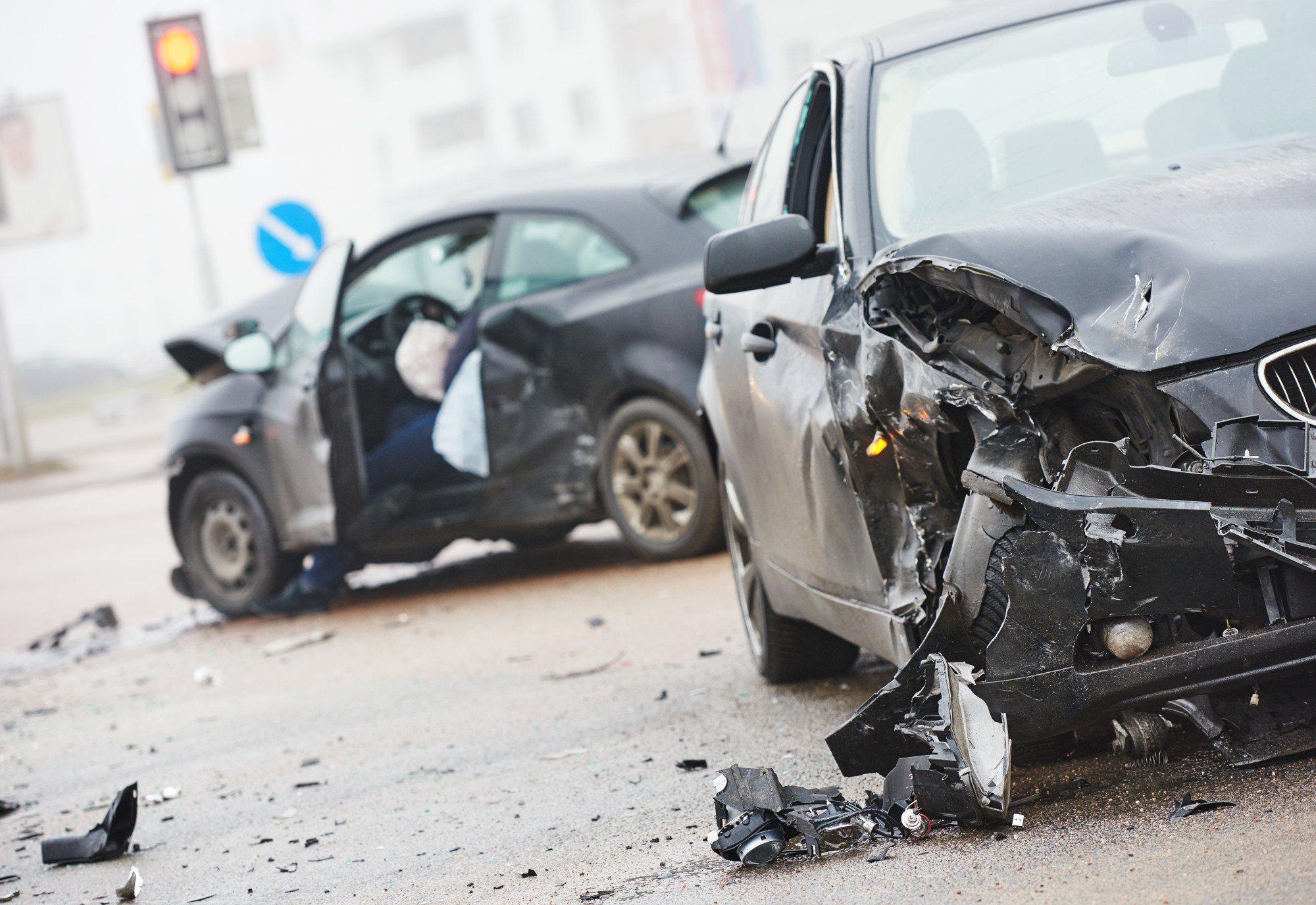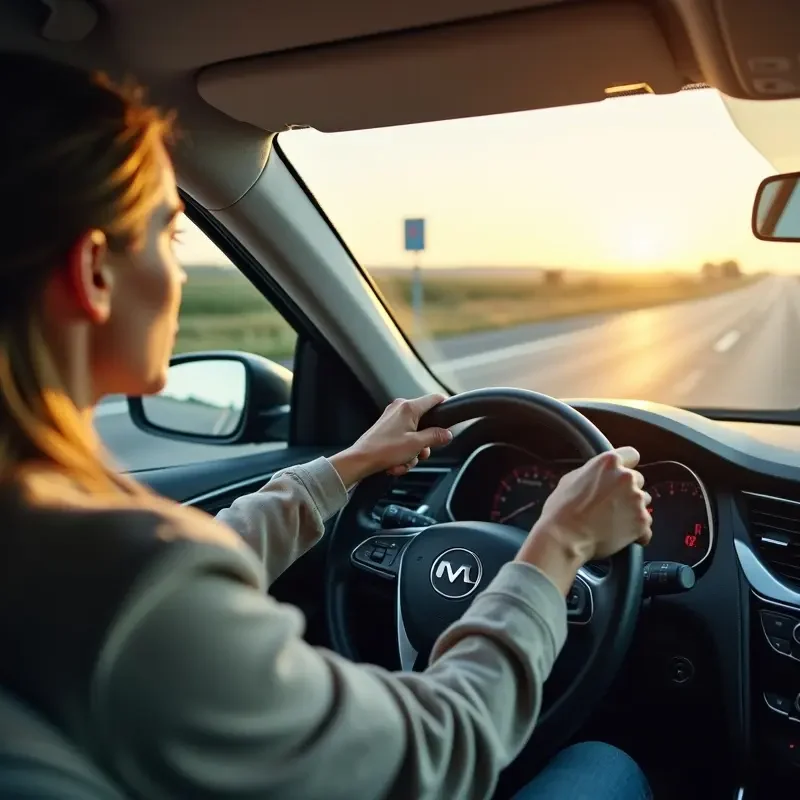
Adopting safe driving habits is one of the most effective ways to reduce the risk of car accidents and safeguard everyone on the road. Every year, thousands of serious injuries and fatalities occur as a direct result of preventable driving mistakes. Whether you are a new driver or an experienced one, understanding and embracing crucial safety practices is essential.
Implementing these strategies helps guard not only your own wellbeing but the lives of your passengers and other motorists. If you find yourself involved in an accident and need legal assistance in Boston, Jason Stone Injury Lawyers: Boston car accident attorney offers dedicated representation for car accident victims.
Improving road safety requires a combination of personal accountability and the use of evolving technologies. By reducing distractions, respecting speed limits, leveraging the latest in vehicle safety features, supporting safe passenger behavior, and participating in insurance programs that reward responsible driving, you contribute to a safer community for everyone. Understanding these best practices can dramatically lower accident risks and foster a culture of responsible and mindful driving.
Minimizing Distractions
Distractions behind the wheel are a top contributor to car crashes. Texting, eating, talking on the phone, or even tuning the radio all take your focus away from the road. Data from the National Highway Traffic Safety Administration shows just how dangerous these habits can be; looking at your phone to text even briefly can mean driving the length of a football field without watching the road, creating extreme danger for yourself and others.
Limiting or eliminating distractions is one of the simplest yet most important steps toward avoiding tragic accidents. For more on the impact of distracted driving, visit National Highway Traffic Safety Administration.
Beyond digital distractions, drivers should also consider any mental distractions that might divert their attention. Emotional stress, fatigue, and conversations with passengers can also hinder a driver’s ability to react quickly and appropriately. Making an effort to begin each drive with a clear mind and a focus on the journey ahead goes a long way toward reducing the chances of a crash.
Families can implement rules like ensuring all mobile devices are set to “do not disturb” and snacks or other in-car activities are taken care of before starting the vehicle. These small changes encourage everyone in the car to respect the importance of undivided attention on the road.
Adhering to Speed Limits
Speeding is a persistent public safety issue that significantly raises both the likelihood and severity of a crash. Maintaining safe speeds, especially in poor weather, construction zones, or during periods of heavy traffic, expands reaction times and helps drivers respond more safely to unexpected events on the road.
According to the Insurance Institute for Highway Safety, even a modest drop in speed reduces the force of a collision and improves survivability. Staying alert to posted speed limits and adjusting your driving for changing conditions can make all the difference in preventing accidents.
There is more to speed management than simply watching for posted signs. Drivers should also pay attention to the flow of traffic, warning signals, and surface conditions. For instance, rain, ice, or snow may mean that even the posted speed is too fast for safe travel.
In these circumstances, reducing your speed below the limit and maintaining a larger following distance can significantly reduce your chances of skidding or being involved in a multiple-car collision. Defensive driving courses can help drivers sharpen these judgment skills, empowering them to make safer decisions when navigating busy or unpredictable roads.
Utilizing Advanced Vehicle Safety Technologies
Modern automotive advancements offer powerful ways to make driving safer. Many new vehicles come equipped with advanced driver-assistance systems (ADAS) such as automatic emergency braking, lane keeping assist, blind-spot monitoring, rear cross-traffic alerts, and adaptive cruise control.
Studies have shown that cars outfitted with front collision warning systems and automatic emergency braking can reduce certain types of front-to-rear crashes by up to 50 percent. When purchasing a vehicle, look for these features and, more importantly, learn how to use them properly. To get a deeper understanding of how car technologies support road safety, read Consumer Reports’ guide on vehicle safety features.
It is also important to remain informed about software updates and recalls related to safety features. Vehicle manufacturers frequently release improvements or critical patches that enhance the effectiveness of ADAS technologies. Regularly checking your vehicle manual and consulting dealer recommendations ensures you are getting the most out of these features.
As automated systems continue to evolve, drivers should remain active participants, understanding that while technology complements safe driving, it does not replace the need for constant vigilance and good judgment behind the wheel.
The Role of Passengers
Passengers contribute directly to driving safety. Encouraging seat belt use, limiting rowdiness, and refraining from distracting the driver are just some of the ways passengers play a pivotal role. Speaking up if the driver is engaging in risky behaviors, assisting with navigation, or monitoring traffic alerts can all help keep the ride safe. By fostering a supportive atmosphere, passengers help drivers maintain their focus and reduce the chance of an accident.
Children, teens, and adults all require reminders about their responsibilities as passengers. Parents should model good behavior by always buckling up and reminding kids to do the same. Friends traveling together can agree to keep conversations low and avoid encouraging reckless actions like speeding or unsafe maneuvers. By treating the car as a shared safety zone, all occupants help contribute to a less stressful and more secure trip.
Insurance Incentives for Safe Driving
Insurance companies are increasingly offering programs that monitor driving habits and reward those who exhibit safe behaviors. These telematics-based programs record data such as speed, braking, and cornering, providing feedback and discounts to safe drivers. Participation has resulted in fewer incidents of speeding and harsh braking, as drivers become more mindful of their actions behind the wheel. Beyond personal benefit, these programs encourage widespread adoption of safer habits, making roads safer for everyone.
In addition to potential savings, these programs can provide valuable insights into your driving style. Monthly or quarterly feedback reports show areas for improvement, such as hard stops or rapid acceleration, motivating drivers to keep improving.
Some insurers even offer gamified platforms where drivers can compete with friends or family members for the safest scores, transforming responsible driving into a shared, engaging goal. The combination of financial reward and constructive feedback continues to change the way motorists approach daily driving.
Conclusion
Developing and maintaining safe driving habits is an ongoing commitment that yields significant benefits for individuals and communities. Combining personal responsibility, such as minimizing distractions, adhering to speed limits, leveraging new safety technology, and promoting a supportive environment for all occupants, creates a foundation for safe travel.
Insurance incentives further reinforce these behaviors by making it easier and more rewarding to drive responsibly. By taking these steps, drivers and passengers alike can help ensure that roadways are safer for everyone, one trip at a time.