As food waste continues to escalate globally, finding effective, inventive strategies is critical. The issue extends far beyond overflowing landfills, impacting our climate, resources, and food security. Developing solutions that not only reduce waste but also convert discarded food into value is more important than ever.
Managing food waste efficiently can transform supply chains, redefine business practices, and improve community well-being. Early adopters and industry leaders, such as GF Commodities, demonstrate how innovative partnerships and resource systems can address food challenges with meaningful impact.
The environmental consequences are especially concerning since food decomposing in landfills emits methane, a potent greenhouse gas. By exploring advanced technologies and community-based initiatives, global efforts can curb waste and ensure more food reaches those in need. Collaboration among governments, companies, and citizens will become the driving force for long-term, systemic change.
Understanding the Scope of Food Waste
Almost one-third of all food produced for human consumption is wasted every year, equating to roughly 1.3 billion tons globally. The discarded food not only signals lost potential to feed communities but also squanders fresh water, labor, energy, and land.
Additionally, food waste accounts for billions of dollars in annual losses, straining farmers, retailers, and household budgets alike. As food waste decomposes, it releases methane, intensifying worries about environmental sustainability. Addressing this challenge is crucial for feeding a growing global population while safeguarding natural resources and mitigating climate impacts.
Technological Innovations in Food Waste Reduction
Digital transformation and scientific advancement are making waves in food waste management. Artificial intelligence is powering smarter inventory monitoring and dynamic pricing systems in supermarkets, reducing the likelihood of food spoilage and unnecessary disposal. For example, apps that adjust pricing based on freshness enable retailers to offer discounts on items nearing expiration, ensuring more food is sold before it spoils.
Other technological feats include bioelectrochemical solutions that generate renewable energy from organic food waste. Though still in experimental phases, these solutions present promise for low-carbon energy production and carbon footprint reduction at larger scales.
Efforts to maximize food recovery now extend to logistics and processing as well, leveraging real-time tracking and predictive analytics to optimize food distribution. These data-driven platforms connect surplus food from producers and retailers to food banks, shelters, or secondary markets, drastically reducing the amount of edible food sent to landfills.
Community-Based Initiatives
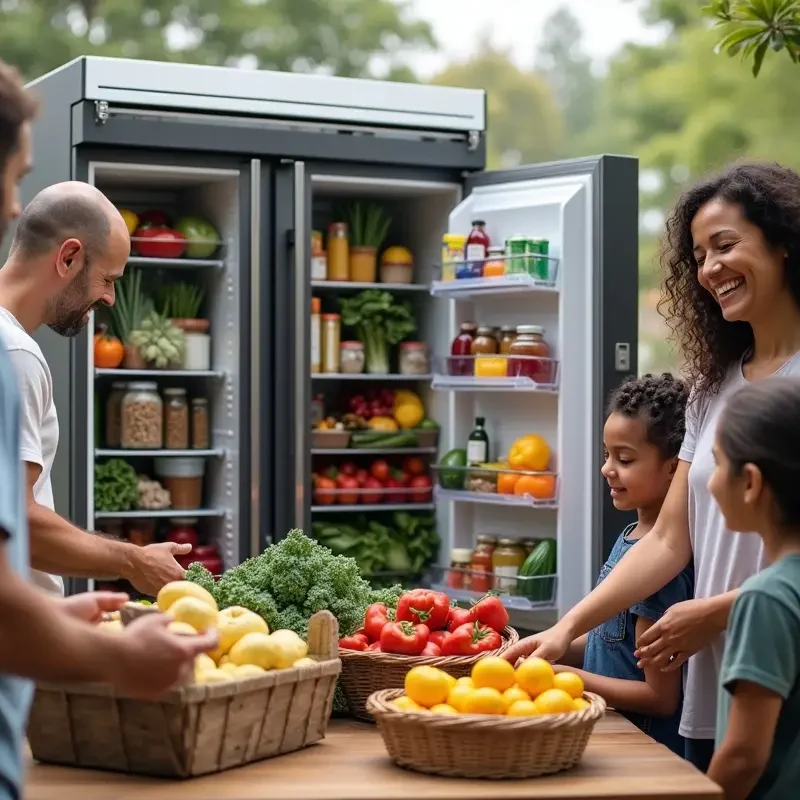
Sometimes the most effective solutions are rooted in community action. Around the world, local groups and urban planners are opening up new avenues for food sharing and redistribution. For example, communal refrigerators have become popular in European cities such as Geneva and Berlin, enabling citizens to both donate and collect surplus perishable food.
These grassroots efforts divert edible items from waste bins and foster neighborhood solidarity. Community kitchens, food rescue organizations, and citywide composting collectives have a similar impact, providing platforms for resource sharing and educating the public about responsible consumption.
Rescuing ‘Imperfect’ Produce
Food retailers traditionally reject fruits and vegetables that do not meet strict aesthetic standards, often sending perfectly edible items straight to waste. In response, subscription services and discount grocery programs now promote ‘imperfect’ produce boxes, offering blemished or oddly shaped items to consumers at reduced prices.
This trend is particularly notable in countries like Australia, where nearly 7.6 million tons of food is discarded annually. By rebranding so-called ‘ugly’ produce and encouraging its use in kitchens across the country, these programs help reduce both production waste and resource consumption.
Hydroponic Agriculture
Food waste can also be reduced by rethinking agricultural practices near the point of sale. In regions where terrain or climate make traditional farming challenging, hydroponic vertical farms are emerging as a viable alternative. Saudi Arabia’s urban hydroponic initiatives cultivate fresh produce in retail outlets, providing customers with greens harvested within minutes of purchase.
This system combats spoilage by guaranteeing fresher produce and dramatically reducing the need for long-distance transport and cold storage. The result is significantly decreased food loss, from almost 40 percent down to nearly zero in some pilot programs.
On-Site Food Waste Composters
Managing food scraps and inedible waste effectively is equally important. Portable composters, like those gaining traction in Malaysia, allow households, restaurants, and venues to convert all manner of organic waste into nutrient-rich compost quickly and with minimal odor.
These machines utilize specialized enzymes to break down everything from raw kitchen waste to biodegradable packaging, supporting urban agriculture and reducing landfill contributions.
Microbial Stickers That Protect Fruit
Another inventive method to reduce waste is to extend the shelf life of perishables. Microbial stickers coated with plant-based antimicrobial substances help slow the ripening of fruit. This innovation extends freshness by up to 2 additional weeks, preventing premature spoilage and reducing reliance on chemical preservatives.
By protecting fruits such as mangoes, apples, and avocados from fungal and bacterial infections at a cost-effective price, these stickers offer a scalable solution for farmers and distributors alike.
Dynamic Pricing Apps for Fresh Produce
The integration of AI into dynamic pricing represents an important leap for supermarkets and online grocers. Such apps track the shelf life of perishable items and instantly adjust prices, ensuring that food is sold at optimal times rather than being wasted.
By pairing data analytics with consumer demand, these systems have already been shown to reduce food waste in participating retailers by nearly 39 percent. This success demonstrates the role of digitalization in reimagining the food supply chain as a cycle, one focused on efficiency, sustainability, and access.
Conclusion
Food waste management is a complex issue demanding creativity, collaboration, and ongoing innovation. By combining technological advances with strong community action and sound policy, society can turn potential waste into opportunity.
Whether through resourceful business models, advanced analytics, or neighborhood initiatives, progress is possible and necessary for sustainable growth. Implementing these inventive solutions will help secure a future in which food systems remain resilient, equitable, and environmentally responsible.