Buying a manufactured home in Statesville can be an organized path to homeownership when buyers plan for the entire project rather than focusing solely on the advertised home price. People comparing manufactured homes for sale should begin with a clear picture of their household needs, preferred location, available savings, and likely site costs.
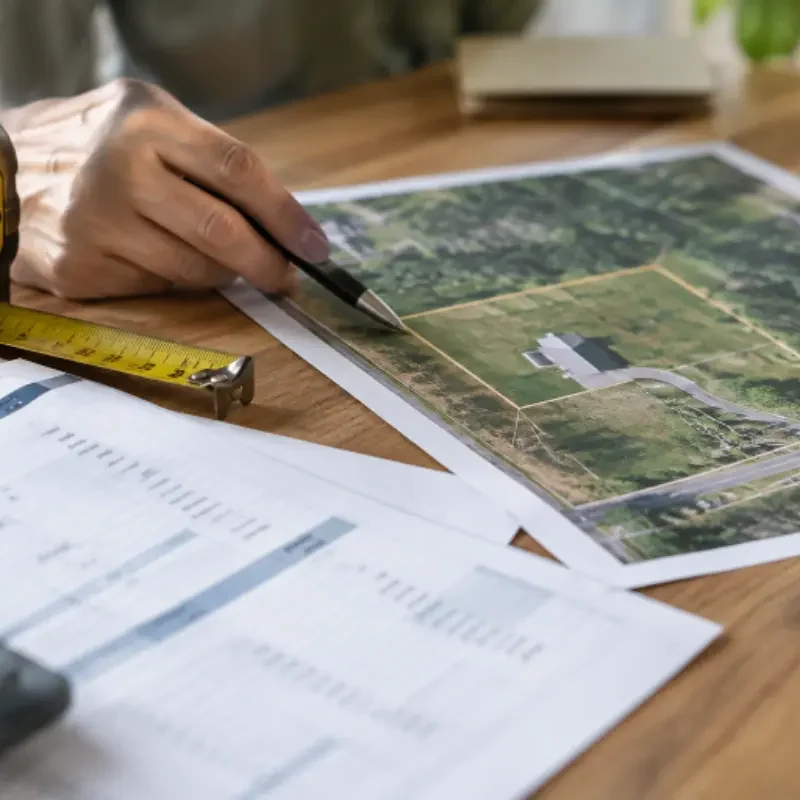
In and around Statesville, a property’s access, slope, drainage, utility availability, and local approval requirements can all shape the final budget. A careful plan before signing a purchase agreement can help prevent costly changes after delivery has been scheduled.
Why Manufactured Homes Can Be a Practical Choice in Statesville
Factory-built homes give buyers another way to consider a new residence without taking on every decision involved in a traditional site-built project. Floor plans can vary widely in bedroom count, storage, kitchen layout, accessibility features, and utility options, so the best choice is one that fits daily life and the budget.
It is also useful to understand the language used during a search. Manufactured homes are built under federal manufactured housing standards, while modular homes are generally built to applicable state and local building codes. Older homes may be described as mobile homes, a term often associated with homes built before the federal standards took effect. Buyers researching mobile homes should confirm the home’s age, title status, condition, and placement requirements before moving forward.
Step One: Build a Total Project Budget
A realistic budget separates the home’s purchase price from all expenses required to make it livable. Request written estimates whenever possible, and leave room for conditions that may only become clear after a site visit or permit review.
- Home price, upgrades, appliances, and options not included in the base quote
- Down payment, lender fees, appraisal costs, closing costs, and interest charges
- Land purchase costs or recurring lot rent
- Delivery, installation, anchoring, foundation or support work, steps, and skirting
- Grading, drainage, driveway improvements, tree clearing, and landscaping
- Water, sewer or septic, electric, internet, and other utility connections
- Permits, inspections, property taxes, insurance, moving costs, repairs, and maintenance
Step Two: Choose Between Land and a Leased Lot
Owning land may provide greater control over the property, but it also places the responsibility for site preparation, utilities, maintenance, and local approvals on the buyer. A leased lot may reduce the need to acquire land, although buyers should carefully review the lease, monthly fees, community rules, renewal terms, and responsibility for improvements.
Before buying a parcel, confirm that the intended home can be placed there. In Iredell County, zoning permits are handled by the relevant town when property lies within the zoning jurisdiction of Statesville, Troutman, or Mooresville. At the same time, county building permits are handled through the county process. Reviewing the county’s zoning permit process early can help buyers identify the proper office before making a nonrefundable land decision.
Questions to Ask Before Committing to a Site
- Is a manufactured home permitted on this parcel or in this community?
- Are there deed restrictions, setbacks, size rules, or design standards?
- Can delivery equipment safely reach the homesite?
- What work is needed for drainage, grading, a driveway, septic, water, or electric service?
- Which permits and inspections are required, and who will arrange them?
Step Three: Compare Floor Plans for Everyday Use
Start with function rather than finishes. Consider how many bedrooms and bathrooms are needed, where furniture will fit, whether closets and pantry space are sufficient, and how traffic moves through the kitchen and living areas. Think ahead about remote work, visiting family, mobility needs, pets, and changing household size.
Energy-related features also deserve attention. Ask about insulation, windows, heating and cooling equipment, and the climate zone for which the home was designed. The home’s data plate and installation materials can provide important information about its specifications and placement requirements.
Step Four: Review Financing Before Selecting a Home
Financing can vary depending on whether the home is purchased outright, placed on leased land, or combined with land owned by the borrower. Potential options may include conventional loans, government-backed programs for eligible borrowers, home-only financing, land-and-home financing, or a cash purchase. Approval standards, loan terms, and required down payments vary.
Compare the annual percentage rate, loan length, estimated monthly payment, closing costs, required insurance, and prepayment terms. The federal manufactured housing homeowner resources explain that financing options can include conventional and government-insured loans, while site and foundation requirements may affect available choices.
Step Five: Prepare the Property Before Delivery
Site work should be scheduled before the home arrives. Confirm the delivery route, remove obstacles, identify the final home location, and make sure contractors understand their individual responsibilities. Weather, wet ground, narrow roads, overhead lines, or unfinished utility work can delay placement.
- Verify zoning, permits, and inspection requirements.
- Evaluate drainage, soil, grading, and the foundation plan.
- Confirm access for transport vehicles and installation crews.
- Arrange utility connections and any septic or water work.
- Put site-work responsibilities, pricing, and deadlines in writing.
Step Six: Understand Delivery, Installation, and Inspection
The project commonly moves from transportation and placement to joining sections, anchoring, utility hookups, finishing work, inspections, and cleanup. Ask exactly what the installation package covers. Steps, skirting, grading, porches, driveways, final utility work, and debris removal may be separate items.
Before final sign-off, inspect doors, windows, cabinets, flooring, walls, trim, appliances, lights, outlets, plumbing, and heating or cooling operation. Note visible transportation or installation damage, take dated photos, and request that incomplete work be documented in writing. Keep the purchase agreement, permits, inspection records, warranty documents, manuals, receipts, and approved change orders together.
Common Budget Mistakes to Avoid
- Comparing homes only by base price instead of total installed cost
- Buying land before checking zoning, access, and utility feasibility
- Assuming delivery includes all site preparation and finishing work
- Focusing only on the monthly loan payment rather than the full loan terms
- Forgetting ongoing costs such as insurance, taxes, lot fees, repairs, and maintenance
- Accepting verbal promises instead of written descriptions of work and pricing
Final Thoughts
A manufactured home purchase in Statesville is easier to manage when each decision is made in the right order: establish a total budget, confirm the site, compare floor plans, review financing, prepare the property, and inspect the completed work. Looking beyond the home itself helps buyers plan for the land, installation, utilities, approvals, and long-term costs that turn a house into a comfortable place to live.