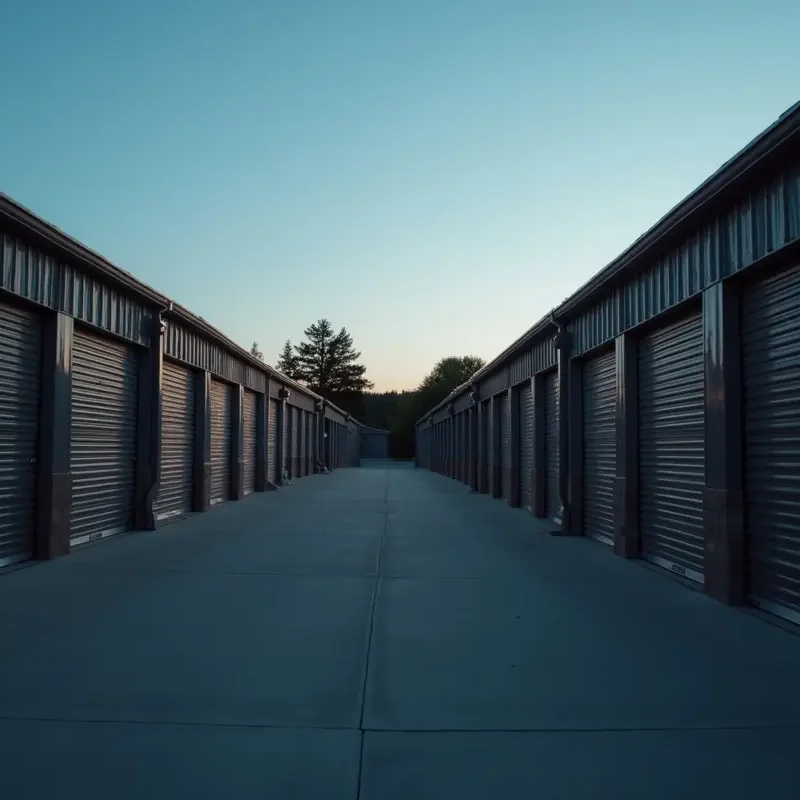
Choosing self storage is easier when the decision starts with a plan rather than a unit size. Whether you are moving, remodeling, downsizing, clearing a family home, or organizing business supplies, the best storage facility depends on what you will store, how long it will stay there, and how often you expect to visit.
A little preparation can prevent common frustrations, including paying for unused space, packing items where they cannot be reached, or discovering too late that delicate belongings need additional protection. Use this checklist to compare options based on practical needs instead of relying on a single advertised feature or price.
Start With The Storage Goal
Storage needs change with the situation. A short move between homes may require flexible terms and frequent access to boxes. A renovation may call for space for furniture until work is complete. Long-term downsizing or seasonal storage requires more attention to cleaning, labeling, protective materials, and periodic checks.
Before moving anything, set an expected move-out date or at least a review date on your calendar. This simple step helps distinguish a temporary solution from belongings that no longer serve a purpose. It also gives you a reason to reassess costs and decide whether to keep, sell, donate, or retrieve stored items.
Build A Simple Inventory
Create a room-by-room list and sort belongings into broad groups, such as furniture, sealed boxes, seasonal decorations, sporting goods, office equipment, and fragile items. Mark anything you may need often, then separate items that should remain elsewhere, including perishables, hazardous materials, cash, and irreplaceable records. Quick photos of valuable or delicate items can also help document their condition before packing.
Pick The Right Unit Size
Floor area matters, but it is not the whole calculation. Ceiling height, furniture shape, stacked boxes, and the need for a walkway all affect how usable a unit will be. Measure sofas, mattresses, appliances, shelving, and large equipment before comparing options. Ask whether you can change sizes later if your plans shift.
- Small units can suit boxes, décor, sports gear, and a few compact furnishings.
- Medium units may fit the contents of a small apartment, office, or several rooms.
- Large units are better suited to bulky furniture, equipment, or belongings from a larger household.
Compare Access And Location
A lower rate farther away may not be the better value when you expect regular visits. Consider drive-up access, indoor hallways, ground-floor locations, elevators, loading areas, lane width, and lighting. Confirm gate and unit-access hours, then visit at the time of day you are most likely to load or retrieve belongings.
When comparing a storage facility, focus on how the layout supports your actual routine. A convenient loading route and reliable access can matter more than features you will rarely use.
Decide If Climate Control Fits
Climate-controlled storage generally provides a more stable indoor environment than a standard unit, but the exact conditions vary. Electronics, photographs, paper documents, artwork, wood furniture, leather goods, and musical instruments may benefit from added protection when heat or humidity is a concern. Still, climate control does not replace clean, dry packing materials, furniture covers, and sensible stacking.
Review Security And Lease Details
Ask about controlled entry, video monitoring, outdoor lighting, individual locks, on-site staff, and property checks. These features can reduce risk, but they do not guarantee that every item will remain safe. Read the agreement for lock requirements, insurance or protection-plan rules, late fees, rate changes, move-out notice requirements, and the facility’s prohibited-item policy.
Calculate The Real Cost
Do not compare only the monthly rent. List one-time administrative charges, deposits, lock costs, insurance, climate-control costs, travel expenses, and the flexibility of the rental terms. Understanding common storage cost factors can make it easier to separate a low introductory price from the total amount you may actually pay.
Pack For Easy Retrieval
Use sturdy boxes or sealed containers, protect furniture with covers, and add padding around fragile belongings. Put heavy items on the bottom, avoid overloading weak boxes, and label at least two sides of every container. When possible, leave a narrow path through the unit and keep frequently needed items near the entrance. A simple phone note or unit map can save time later.
Avoid Common Storage Mistakes
- Renting before sorting what truly needs to be kept.
- Choosing the smallest possible unit and filling it too tightly.
- Overlooking access hours, loading conditions, or travel time.
- Storing moisture-sensitive belongings without proper protection.
- Skipping the full fee and rental-agreement review.
- Leaving the unit unchecked for months or years.
It is also important to recognize that some items should stay out of storage, either because they are unsafe, prohibited, highly perishable, or too valuable to leave outside your direct control.
Common Questions
How Do You Know What Size Storage Unit You Need?
Count boxes, measure large pieces, review the available dimensions, and allow room for a safe walkway if you will need repeat access.
Is Climate-Controlled Storage Always Necessary?
No. The decision depends on the item type, storage length, local conditions, and sensitivity to temperature or humidity changes.
Should You Choose A Month-To-Month Rental?
Flexible terms can help when a move, renovation, or family transition does not have a firm completion date.
How Often Should You Visit A Storage Unit?
Check on belongings according to their sensitivity and expected storage period. Respond quickly to signs of moisture, pests, damaged packaging, or shifting stacks.
What Should You Ask Before Renting?
Ask about the total move-in cost, access hours, security features, climate control, lock and insurance rules, move-out notice, and prohibited items.
Conclusion
The right storage choice balances space, access, protection, cost, and a clear timeline. An inventory, careful agreement review, and organized packing plan can reduce surprises and make stored belongings easier to manage throughout 2026.