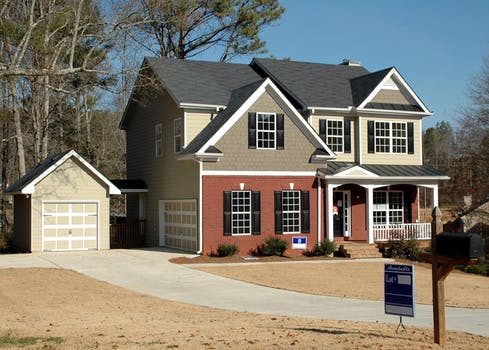
Two Seattle homes with similar prices, square footage, and finishes can create entirely different living experiences. One may put groceries, parks, and work within easy reach, while another may provide more space but add time and complexity to every weekday.
For buyers weighing those smaller, block-by-block differences, Magnolia real estate experts The Greely Group offer residential buying and selling guidance, home valuation resources, and neighborhood-focused market insight through their Seattle real estate website. The Greely Group works with buyers and sellers across Seattle and nearby Eastside communities, helping clients evaluate property types, local conditions, and the practical tradeoffs that matter when comparing areas such as Magnolia, Bellevue, and Kirkland.
Start With a Realistic Monthly Budget
A listing price is only the opening number. Before deciding which Seattle neighborhoods fit, estimate the complete monthly cost of ownership. Include mortgage principal and interest, property taxes, homeowners’ insurance, HOA dues where applicable, parking or storage fees, utilities, and a maintenance allowance.
A lower-priced home is not automatically the less expensive choice over time. A property needing immediate repairs, a condo with substantial monthly dues, or a location that requires costly parking and frequent driving can change the financial picture. Use a comfortable payment range as a filter before becoming attached to a particular block or home style.
Compare Commute Options, Not Just Distance
In Seattle, a short distance does not always produce a short trip. Bridges, hills, traffic patterns, construction, weather, and transfer timing can all affect travel. Test likely routes during the hours you would actually travel, whether by car, bus, bike, walking, or rail.
For each neighborhood, compare normal weekday travel time, available backup routes, transit frequency, parking near work, and the added time needed when conditions are less convenient. A smaller home near dependable transportation may be a better fit than a larger home that adds an hour of travel to every workday.
Future transit can matter as well, but it should be treated as a factor to investigate rather than a guarantee. Buyers considering West Seattle or nearby areas can review updates on the West Seattle Link Extension to understand the project’s current planning and schedule.
Match the Housing Type to Daily Needs
Seattle offers a broad mix of single-family homes, townhomes, condominiums, duplexes, and multifamily properties. Each option brings a different balance of privacy, maintenance, outdoor space, location, and monthly costs.
- Single-family homes may offer more private outdoor space and flexibility, but owners are generally responsible for exterior upkeep and major systems.
- Townhomes can provide multiple levels of living space and a more central location, although layouts, shared walls, and parking arrangements vary widely.
- Condominiums may place buyers closer to urban amenities, but HOA rules, dues, reserve funding, rental restrictions, and possible special assessments require careful review.
- Multifamily properties can suit buyers considering rental income, but they also bring landlord responsibilities, financing considerations, and tenant-related obligations.
Do not compare only bedrooms and bathrooms. Think about where bicycles, strollers, tools, pets, guests, and everyday deliveries will fit into your life.
Review Walkability, Parks, and Everyday Amenities
Create a list of the places you use most often, such as grocery stores, coffee shops, schools, libraries, medical offices, gyms, and green spaces. Then check the actual walking, cycling, or driving time from a specific address. Broad neighborhood labels can hide meaningful differences in terrain, sidewalks, crossings, and access to daily services.
Nearby parks and commercial districts can add convenience and character, but they may also mean more activity, delivery traffic, noise, or competition for curb parking. Visit at least twice, ideally once on a quiet weekday and again on a busier evening or weekend.
Check Schools, Boundaries, and Public Services
Families should confirm current school attendance boundaries through official district information before relying on a listing description. Boundaries can differ from one street to the next and may change over time. It is also worth reviewing the location of community centers, libraries, parks, fire stations, sidewalks, and utility work that could affect daily routines.
Online ratings can be useful starting points, but they cannot replace direct research, conversations with appropriate local contacts, and an in-person visit. The same principle applies to noise, street lighting, slopes, and neighborhood activity.
Look at Planned Growth and Zoning Changes
New homes, shops, transportation projects, sidewalks, and public spaces can reshape an area over time. Those changes may improve access and convenience while also bringing construction disruptions, changes in building heights, traffic concerns, or shifts in neighborhood character.
Before making an offer, review the city’s long-range approach to housing, transportation, infrastructure, and neighborhood growth. Planning documents help buyers ask better questions about what may be proposed nearby, but project timing, approvals, funding, and final designs can change.
Compare Property Values in Context
Active listings show what sellers are asking. Recent closed sales provide a more useful basis for comparing market activity. Focus on homes with similar size, lot dimensions, age, condition, parking, outdoor features, views, and access to transit or amenities.
Neighborhood averages can be misleading because values may vary significantly between nearby streets. Separate market value from personal value, too. Paying more for a manageable commute, abundant daylight, or easy access to a favorite park may be worthwhile if it fits your budget and priorities.
Build a Simple Neighborhood Scorecard
Use a spreadsheet or notes app to score each neighborhood from one to five in these categories:
- Budget: Does the full monthly cost feel sustainable?
- Commute: Can you complete the regular trip without excessive stress?
- Housing fit: Does the area offer the home type, storage, and space you need?
- Lifestyle: Are everyday services, parks, and social activities convenient to access?
- Future fit: Would this location still work if your job, household, or transportation needs change?
Common Questions Buyers Ask
Which Seattle neighborhood is best for first-time buyers?
There is no universal answer. Start with your budget, desired housing type, commute needs, and preferred level of activity. Compare areas with different transit access, density, and property options before narrowing the search.
Should buyers choose a home near the light rail?
Rail access can reduce reliance on cars and improve connectivity across parts of the region. Also inspect station-area noise, parking conditions, pedestrian routes, construction activity, and planned development.
How many neighborhoods should buyers compare?
Three to five realistic choices are usually enough to identify priorities without creating unnecessary confusion. Revisit the same areas after tours so each comparison is based on current impressions.
Is a longer commute worth more space?
It can be, depending on how you use the space and how often you travel. Calculate the weekly time commitment, transportation costs, and impact on family time before deciding.
Final Checklist Before Making an Offer
- Visit the neighborhood in the morning, afternoon, and evening.
- Test the commute during a typical weekday.
- Confirm school boundaries, zoning, and relevant public information.
- Review nearby construction and transportation plans.
- Check parking, noise, sidewalks, slopes, and street lighting.
- Compare recent closed sales with similar properties.
- Estimate the complete monthly cost of ownership.
- Ask whether the neighborhood fits your likely needs five years from now.
The right Seattle neighborhood is not necessarily the one with the lowest price or the strongest listing photos. A well-considered choice balances cost, commute, home features, daily comfort, and flexibility for what comes next.