The landscape of modern commercial architecture is undergoing a rapid, almost unprecedented transformation, driven largely by environmental demands, economic pressures, and incredible leaps in engineering. For decades, the rooftop of a commercial building was treated as an afterthought – a merely functional necessity designed solely to keep rain out and warmth in. Today, however, the commercial roof has evolved into a highly complex, technologically advanced, and dynamic component of the building envelope.
Property developers, facility managers, and architectural visionaries are no longer satisfied with standard tar and gravel solutions. Instead, they are looking toward the future, seeking out comprehensive systems that offer multifaceted benefits. In this comprehensive guide, we will discover commercial roofing innovations with advanced materials and installation techniques that boost energy efficiency, durability, and structural performance.
By understanding these cutting-edge advancements, commercial property owners can make highly informed decisions that dramatically increase their building’s operational efficiency, lower their long-term maintenance costs, and contribute positively to the global push for environmental sustainability.
The Historic Shift in Commercial Roofing Demands
To truly appreciate the magnitude of modern roofing innovations, it is vital to first understand the historical context of commercial building designs. In the mid-to-late twentieth century, the primary objective of any commercial roof was basic weatherproofing. Built-Up Roofing (BUR) systems, which consisted of alternating layers of bitumen and reinforcing fabrics, were the industry standard.
While these heavy, cumbersome systems provided adequate waterproofing for their time, they were notoriously inefficient when it came to thermal regulation. They absorbed massive amounts of solar radiation, essentially turning commercial buildings into massive heat sinks. This excessive heat absorption forced internal heating, ventilation, and air conditioning (HVAC) systems into overdrive, leading to astronomical electricity bills and significant carbon footprints.
As urban areas expanded and environmental consciousness grew, the limitations of these archaic roofing systems became glaringly obvious. The phenomenon known as the Urban Heat Island effect, where closely packed buildings and paved surfaces amplify local temperatures, forced municipal governments and environmental agencies to enact stricter building codes and energy efficiency standards.
This regulatory shift, combined with a growing desire among corporate entities to achieve LEED (Leadership in Energy and Environmental Design) certification, served as the ultimate catalyst for change. The roofing industry was compelled to pivot sharply away from rudimentary covers toward highly sophisticated, engineered systems designed to actively enhance the building’s overall performance.
Next-Generation Installation Techniques and Robotics
Even the most advanced, highly engineered roofing materials require absolutely flawless execution during the installation phase to guarantee their promised performance, longevity, and structural integrity. The introduction of cutting-edge hardware, automated machinery, and advanced digital surveying tools has thoroughly revolutionized the modern installation process. For building owners seeking to upgrade their facilities, partnering with a technologically advanced commercial roofing company is essential to ensure precision, safety, and operational excellence throughout the project’s lifespan.
Before a single sheet of material is ever laid down, commercial contractors now frequently deploy high-resolution, camera-equipped drones to conduct incredibly precise topographic site surveys and comprehensive structural mapping. These automated drones can rapidly identify subtle structural anomalies, preexisting moisture accumulation beneath the old membrane, and delicate flashing degradation that human inspectors might easily miss.
Once the actual installation begins, contractors utilize advanced robotic hot-air welders that automatically traverse the roofing seams at perfectly calibrated speeds and temperatures. This robotic automation eliminates the inherent inconsistencies of human labor, producing perfect, molecularly bonded seams that represent the ultimate defense against massive water intrusion.
Navigating the Complexities of Advanced Roofing Materials
When examining the modern commercial marketplace, it becomes immediately apparent that advanced material science has driven the majority of recent roofing innovations. Manufacturers have invested billions of dollars into research and development to create synthetic materials that outperform traditional options on every conceivable metric. Thermoplastic Polyolefin (TPO) and Polyvinyl Chloride (PVC) membranes have rapidly emerged as the undisputed leaders in the single-ply roofing sector. Unlike older materials that crack and degrade under relentless ultraviolet radiation, these modern synthetic polymers are engineered at the molecular level to remain flexible, durable, and highly reflective for decades.
TPO, for instance, represents a perfect marriage of rubber-like elasticity and thermoplastic heat-weldability. This means that individual sheets of TPO can be melted together at the seams using specialized hot-air robotic welders, creating a completely unified, monolithic barrier against moisture. PVC, on the other hand, is highly celebrated for its extraordinary resistance to harsh chemicals, industrial oils, and animal fats, making it the premier choice for restaurants, manufacturing facilities, and chemical processing plants.
Both of these advanced materials offer incredible tensile strength, tear resistance, and dimensional stability, ensuring that the commercial roof can easily expand and contract with seasonal temperature fluctuations without suffering structural fatigue or micro-cracking.
The Unmatched Benefits of Upgraded Roofing Systems
Transitioning from an outdated, traditional roof to a highly advanced, modern roofing system represents a significant capital investment for any commercial enterprise. However, the multifaceted returns on this investment are undeniable, fundamentally changing how a building operates on a day-to-day basis. When property owners leverage these newly developed technologies, they unlock a wide array of functional, financial, and environmental advantages that dramatically enhance their overarching business operations.
- Lowers your monthly energy bills.
- Enhances the overall structural integrity.
- Protects against severe weather events.
- Extends your commercial roof lifespan.
- Requires significantly less routine maintenance.
By carefully selecting systems that inherently provide these distinct benefits, facility managers can effectively redirect capital that would have been spent on reactive repairs or excessive utility bills toward core business growth and essential infrastructural improvements.
Cool Roofs and High-Emittance Technologies
Among the most prominent and widely adopted trends in commercial property development is the integration of cool roofing technologies. The underlying scientific principle behind a cool roof is relatively straightforward, yet its impact on a building’s thermal dynamics is absolutely profound. Cool roofs are specifically designed to maximize two critical metrics: solar reflectance and thermal emittance. Solar reflectance dictates how efficiently the roofing surface can bounce incoming sunlight back into the atmosphere, while thermal emittance measures the material’s ability to radiate away any solar heat that it does happen to absorb.
Standard dark-colored roofs can reach blistering temperatures of up to 150 degrees Fahrenheit during the peak of summer, transferring massive amounts of radiant heat directly into the building’s interior spaces. In stark contrast, highly engineered cool roofs, typically manufactured in bright white or utilizing highly specialized reflective pigments, remain up to 50 degrees cooler under the same meteorological conditions. This drastic reduction in surface temperature translates to substantially lower interior cooling loads.
Consequently, the commercial building’s HVAC infrastructure is subjected to far less mechanical stress, resulting in prolonged equipment lifespans, fewer mechanical failures, and significantly lower peak-energy electricity charges from local utility providers.
Vegetative and Green Roofing Ecosystems
Taking environmental sustainability a step further, many forward-thinking modern commercial facilities are adopting comprehensive green roofing ecosystems. Unlike traditional roofing materials, green roofs transform the barren, unused expanse of a commercial rooftop into a living, breathing landscape. These systems typically consist of a highly advanced waterproofing membrane, a precise root barrier, an engineered drainage layer, specialized lightweight growing mediums, and carefully selected, drought-resistant vegetation.
The benefits of these vegetative ecosystems extend far beyond their obvious aesthetic appeal. Green roofs act as extraordinary natural insulators, keeping commercial buildings remarkably warm in the winter and refreshingly cool in the summer. Furthermore, they are highly effective instruments for urban stormwater management.
During heavy precipitation events, the vegetation and soil layers absorb, filter, and slowly release rainwater, drastically reducing the immediate burden on municipal sewage and drainage infrastructure. By mitigating storm runoff, commercial property owners can often secure substantial tax incentives, utility rebates, and zoning bonuses from local environmental agencies, making the initial investment in a green roof highly economically viable.
Building-Integrated Photovoltaics and Solar Synergy
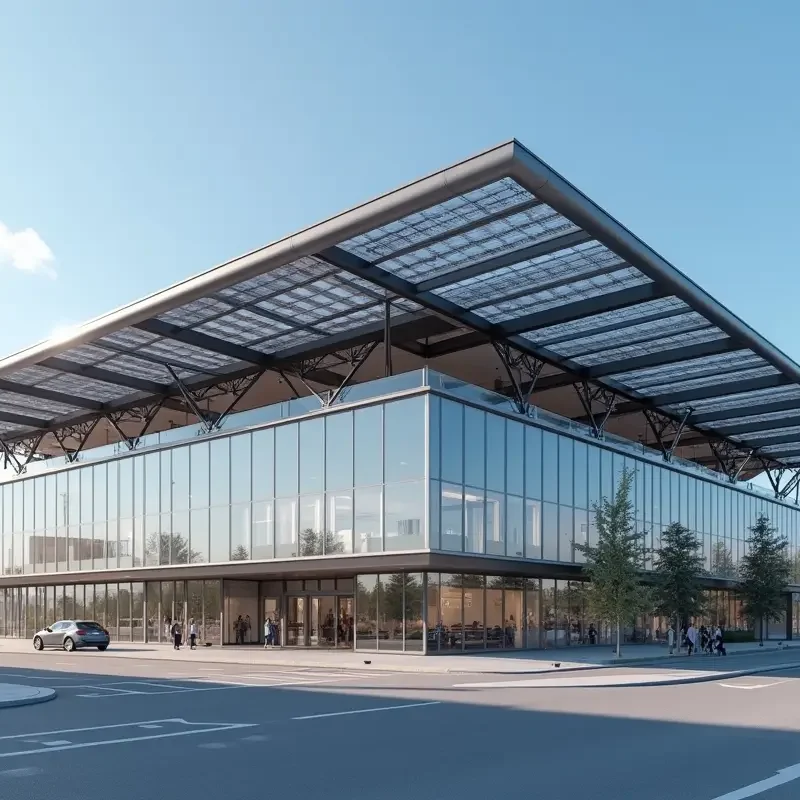
The global push toward renewable energy generation and net-zero commercial buildings has fostered the rapid, widespread development of solar-integrated roofing technologies. Historically, adding solar panels to a commercial roof involved heavy, cumbersome racking systems that required drilling hundreds of mechanical fasteners directly through the waterproofing membrane, creating countless potential points of failure and moisture intrusion. Today, the commercial roofing industry has embraced Building-Integrated Photovoltaics (BIPV) and advanced lightweight thin-film solar arrays that eliminate these massive structural risks.
Modern thin-film solar panels can be seamlessly adhered directly to the surface of TPO or PVC membranes, completely negating the need for destructive mechanical penetrations. Furthermore, these highly advanced photovoltaic systems are designed to operate symbiotically with cool roofing materials. Because standard solar panels lose electrical conversion efficiency as they become excessively hot, pairing them with a highly reflective, cool white roof actually keeps the localized ambient temperature lower, thereby maximizing the overall electrical output of the solar array. This incredible synergy between advanced roofing materials and renewable energy technologies allows commercial spaces to drastically reduce their reliance on the traditional electrical grid.
Fluid-Applied Membranes and Seamless Protection
Another remarkable innovation fundamentally transforming the commercial roofing landscape is the rapid advancement of liquid-applied or fluid-applied roof membrane systems. These highly sophisticated liquid polymers, often formulated from advanced silicones, polyurethanes, or specialized acrylics, are meticulously sprayed or rolled directly onto the existing roof substrate. As the liquid compound is exposed to the ambient atmosphere, it chemically cures and hardens into a thick, rubberized, completely seamless waterproofing barrier that flawlessly molds itself to every single contour, HVAC curb, and structural penetration on the rooftop.
Fluid-applied membranes are particularly revolutionary for massive commercial roof restoration projects. Instead of enduring the astronomical financial costs, lengthy operational disruptions, and massive environmental waste associated with completely tearing off and disposing of an aging roof in a landfill, building owners can choose to fully restore their existing roof with a liquid coating. This highly advanced process effectively grants an aging roof an entirely new lease on life, instantly providing top-tier ultraviolet resistance, phenomenal waterproofing capabilities, and exceptional energy efficiency, all at a mere fraction of the cost of a full structural replacement.
Enhancing Structural Performance Through Advanced Engineering
A highly modernized commercial roof is no longer viewed as just a passive, static shield against the weather; it is legally and physically required to function as an active, robust structural component of the overall commercial facility. The engineering standards governing modern roof structural performance have evolved drastically, particularly regarding wind uplift resistance, dynamic load distribution, and building envelope stabilization.
Older roofing systems often relied heavily on massive amounts of river rock ballast to weigh the roof down and prevent it from blowing away during high wind events. This excessive, deadweight ballast placed massive, continuous stress on the commercial building’s structural skeleton and foundation. Modern single-ply membranes, however, utilize highly advanced, low-rise polyurethane foam adhesives or meticulously engineered, heavy-duty mechanical fastening systems.
These advanced techniques provide vastly superior wind uplift ratings, often capable of withstanding hurricane-force gales, while simultaneously removing tens of thousands of pounds of unnecessary dead weight from the structure. This brilliant reduction in rooftop weight allows facility engineers to safely allocate structural load capacities toward other critical additions, such as larger HVAC units, complex rooftop gardens, or heavy solar battery storage systems.
Defying the Elements with Unprecedented Durability
As extreme weather events become increasingly frequent, highly unpredictable, and historically severe across various geographic regions, the inherent durability of commercial roofs has become a paramount concern for all property owners. High-velocity hail storms, torrential downpours, massive snow accumulations, and rapid, extreme temperature fluctuations can completely decimate an unprotected, outdated roofing system in a matter of hours. To combat this escalating threat, material scientists have developed incredibly resilient commercial roofing products specifically engineered to defy the harshest elements Mother Nature can possibly unleash.
Modern high-performance EPDM (Ethylene Propylene Diene Monomer) membranes and heavily reinforced modified bitumen systems feature densely woven fiberglass or high-tenacity polyester scrims embedded directly within their core layers. This advanced structural reinforcement provides unprecedented resistance against devastating hail impacts, sharp flying debris, and severe foot traffic from maintenance personnel.
Furthermore, these materials boast extraordinary elongation capabilities. When subjected to the brutal thermal shock of a rapidly freezing night following a blistering hot afternoon, these advanced materials stretch and flex effortlessly, accommodating the building’s natural thermal expansion without ever snapping, tearing, or compromising the interior waterproofing integrity.
The Future of Commercial Rooftops Has Arrived
The ongoing transformation of commercial roofing technologies is an undeniable testament to the incredible power of human engineering, material science, and environmental adaptation. As technology inevitably continues to rapidly advance, the commercial skyline of tomorrow will undoubtedly feature roofs that are even smarter, significantly tougher, and beautifully greener.
Looking for more tips and ideas? We’ve got you covered. Check out some of our other posts now.