Switching to an energy-efficient water heater is a smart way to cut utility costs and reduce your home’s energy use. With growing awareness around household energy consumption, homeowners in Ottawa and elsewhere are turning to professional Ottawa water heater service providers for guidance on selecting, installing, and maintaining the best systems. Not only can the right installation save you money, but it can also contribute to a greener, more sustainable household.
Many fail to realize that the benefits of a high-efficiency water heater depend as much on proper installation and ongoing maintenance as on the unit itself. A poorly installed or maintained water heater may undermine your investment, leading to inefficiencies, higher bills, or a shortened appliance lifespan. This comprehensive guide walks you through the essential steps to ensure your new water heater delivers maximum performance and savings.
Choosing the Right Water Heater
The path to efficient hot water starts with selecting a unit suited to your household’s size and water usage habits. Oversized units often waste energy keeping excess water hot, while undersized units may struggle to keep up with demand. For most families, energy savings are best realized when the appliance matches your typical daily needs.
There are several types of water heaters to consider. Tankless or on-demand units are popular for their efficiency and compact design, providing hot water only when needed. Meanwhile, heat pump water heaters can be up to three times more efficient than conventional electric units.
For those replacing a traditional tank, newer insulated models often deliver marked improvements. Water heating comprises about 18 percent of the average household’s energy bills, underscoring the value of an informed choice.
Proper Installation Practices
Even the highest-rated water heater will not deliver peak efficiency unless installed under the right conditions. Optimal location, insulation, and temperature settings play big roles in ongoing performance.
- Location: A well-ventilated, easily accessible area allows for efficient airflow and straightforward maintenance. Avoiding damp or confined spaces helps prevent corrosion and ensures the unit operates at its best.
- Insulation: Modern water heaters come with good insulation, but older tanks benefit from an additional insulating jacket. Insulating the first few feet of hot water pipes helps reduce heat loss, keeping water hotter and reducing waste.
- Temperature Settings: Most households do not require water hotter than 120°F. Lowering the thermostat to this level minimizes energy use, decreases the risk of scalding, and still provides plenty of hot water for daily use.
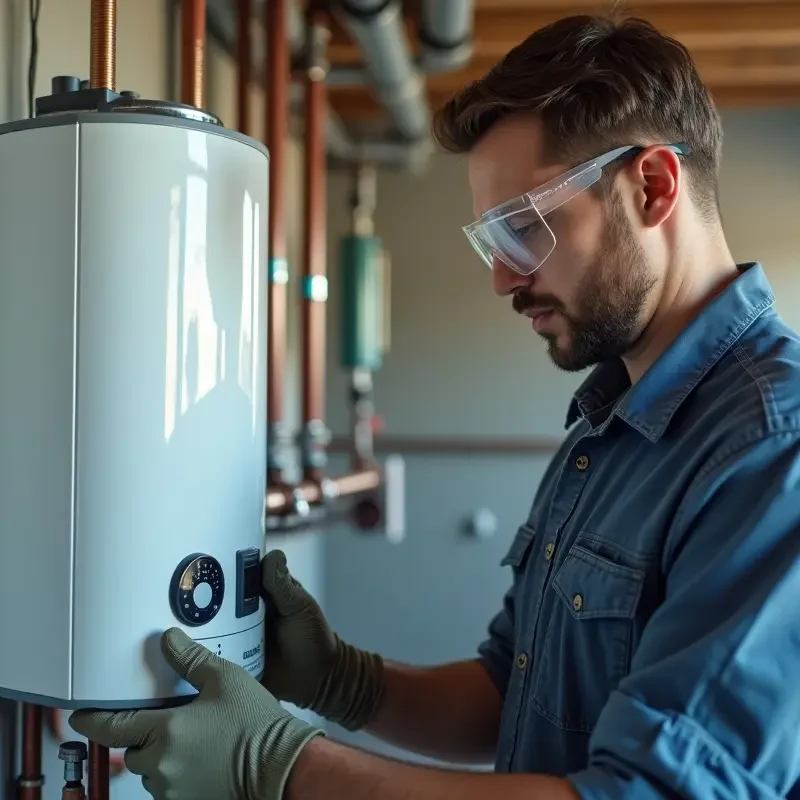
Improper installation, whether from inexperience or neglect, is a frequent cause of unnecessary energy loss. Consider hiring a licensed expert, especially for gas or electric connections, to make certain every detail meets safety and building codes. A professional approach often helps avoid leaks, pressure issues, or code violations that could become costly problems in the future.
Regular Maintenance
Routine care is essential to extending your water heater’s lifespan and maintaining efficiency year after year. Sediment and mineral buildup can affect performance and force the heater to work harder, increasing operating costs over time.
- Flushing the Tank: Sediment naturally accumulates in tanks, especially in hard water areas. Flushing the tank out once a year removes this buildup, helping preserve heating efficiency and preventing damage.
- Inspecting the Anode Rod: The anode rod is a sacrificial component that protects your tank from rust. Inspect it every 2 to 3 years and replace it if significant corrosion is present. This simple step can prevent costly leaks or tank replacements.
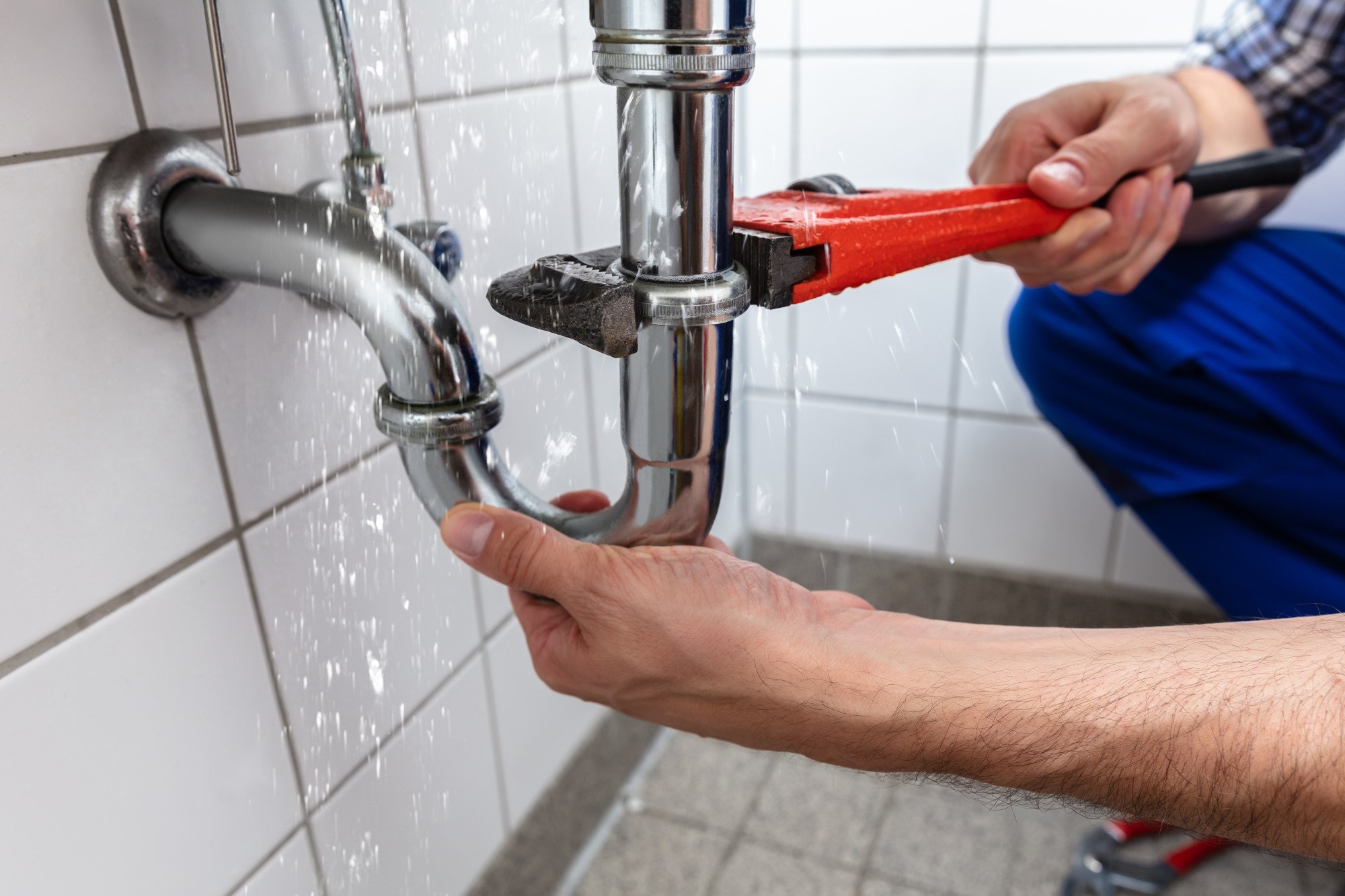
- Checking for Leaks: Inspect all connections and valves regularly to catch leaks early. Even small drips can lead to wasted energy and water damage if unaddressed.
Utilizing Incentives and Rebates
The up-front cost of an energy-efficient water heater may be offset by local, provincial, or national incentive programs. Cities like San Francisco offer up to $1,200 in credits directly to residents who replace standard models with high-efficiency options. These rebates help make energy-saving upgrades more accessible and promote widespread adoption of environmentally friendly technology. Explore local programs or ask your installer about opportunities in your area that may help defray the costs of purchase and installation.
Homeowners in Canada and the U.S. can also visit provincial or federal energy-efficiency program websites for updated information on current rebates. Such programs are designed to encourage sustainable living and help families reduce their energy footprint.
Conclusion
Investing in an energy-efficient water heater, when paired with correct installation and routine maintenance, offers substantial long-term financial and environmental rewards. Choosing the right model for your needs, installing it carefully, maintaining it regularly, and taking advantage of available rebates can provide years of reliable hot water and lower utility bills for your household. As technology and incentives continue to improve, homeowners stand to benefit more than ever from making smart, energy-conscious choices.