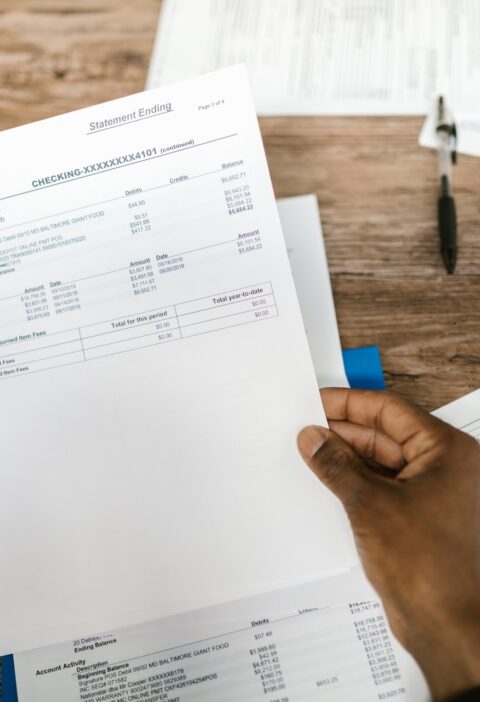
Budgeting for a new car starts with a thorough assessment of your financial standing. Review your take-home pay versus your regular monthly expenditures, factoring in all essential costs, such as housing, utilities, groceries, and debts. This step will reveal how much you can comfortably allocate toward your vehicle expenses each month.
It is widely suggested that your monthly car payment should not surpass 10% of your net income, with an additional 10% reserved for associated costs. Learn more about how to refine your budget for a new or used car in your area.
This disciplined approach keeps your financial obligations balanced and prevents you from overextending. Accounting for expenses such as insurance, fuel, and ongoing maintenance from the outset also helps avoid surprises later on.
Determine Your Price Range
After gaining insight into your financial situation, set a realistic price range for your vehicle search. Remember, the sticker price of the car is only part of the total cost. Make sure to include taxes, registration fees, and, if you are financing, the potential loan interest.
Creating and adhering to this financial envelope helps resist pressure to overspend and keeps you on track to maintain your other financial goals. According to Britannica Money, it is vital to be honest with yourself about what you can afford in the long term to safeguard your financial health.
Save for a Down Payment
If you are opting for financing, prioritize saving for a sizable down payment. Experts generally recommend aiming for 20% of the purchase price of your chosen vehicle. A healthy down payment lowers your financed amount, decreases monthly payments, and reduces the interest you will pay over the life of your loan. Demonstrating that you have savings for a down payment can also improve your credibility with lenders, enabling you to secure more favorable loan terms.
Check Your Credit Score
Your credit score directly influences the interest rate lenders offer on auto loans. A higher credit score can significantly trim your interest rate, saving you money throughout your loan term. Obtain a current copy of your credit report and review it for any discrepancies that might negatively affect your score.
If your credit score is less than ideal, take proactive steps, such as reducing outstanding balances and paying bills on time, to boost it before beginning your vehicle search. You can access your credit reports through annualcreditreport.com, which is endorsed by the Federal Trade Commission.
Explore Financing Options
While many car buyers turn to dealership financing for convenience, it pays to shop around. Investigate different banks, credit unions, and reputable online lenders to compare interest rates and loan terms. Request pre-approval from your preferred lender to solidify your budget and increase your negotiating power when you visit the dealership. Pre-approval shows sellers you are a serious buyer and helps you stay focused on what you can truly afford.
Consider Total Ownership Costs
The total cost of owning a vehicle stretches far beyond its initial price. Vehicles vary widely in their ongoing costs, including insurance, fuel efficiency, routine maintenance, and the likelihood or expense of repairs. For instance, some brands or models are notoriously costly to insure or maintain. Perform detailed research before making a decision, so you do not end up surprised by high ongoing expenses.
Decide Between New and Used Vehicles
Choosing between a new and a used car depends on your priorities and financial situation. New vehicles offer the latest safety features and technology and come with robust manufacturer warranties. However, they also suffer immediate depreciation once driven off the lot. Used vehicles can be much more affordable, but they may pose a higher risk of maintenance issues. Certified pre-owned vehicles are inspected by the manufacturer, often include extended warranties, and can serve as an ideal compromise.
Negotiate the Purchase Price
Once you have found a car that fits your criteria and budget, the negotiation begins. Start by researching the market value of your chosen model and using trusted guides to determine a fair price. Do not be afraid to challenge the initial offer. Dealerships are often willing to negotiate or include incentives, especially if you are prepared with pre-approved financing or competitive bids. Negotiation can yield savings while also helping you stay within your predetermined budget.
Plan for Future Expenses
Ownership involves continual expenses beyond your loan or initial purchase. Budgeting for regular maintenance, yearly insurance renewals, and unexpected repairs ensures your vehicle does not become a financial burden over time. Setting aside a dedicated monthly sum, even after your purchase, provides peace of mind and keeps your automotive finances healthy for years to come.
Final Thoughts
Careful budgeting and research allow you to buy a car that fits your needs without undermining your financial health. By following these simple steps, you can make your next vehicle purchase confident and stress-free while maintaining a clear path to your broader financial goals.