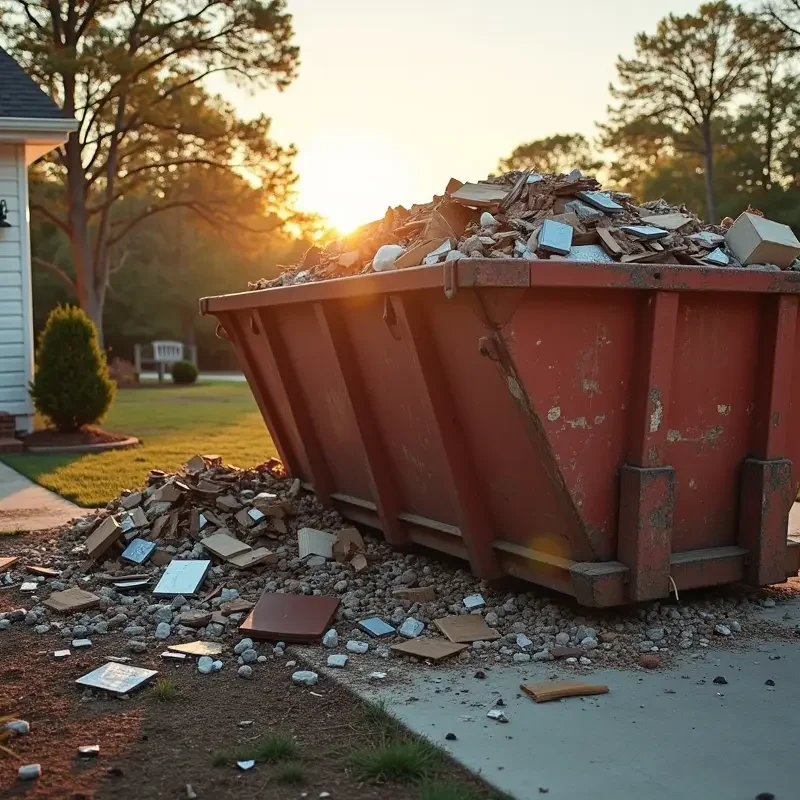
From garage cleanouts in Dilworth to remodeling debris near University City, Charlotte projects can create more waste than a regular curbside bin can handle. Choosing the right dumpster rental service helps keep a property safer, prevents clutter from slowing the job, and gives you a clear plan for handling materials from the start.
Finding a provider online is easy, but a polished listing and a low advertised rate do not automatically mean the service is right for your project. Charlotte homeowners, landlords, contractors, and business owners should compare the details that affect the final experience, including container size, delivery access, rental period, accepted materials, communication, and total cost.
Why the Choice Matters
A poor rental choice can lead to a container that is too small, a delivery truck that cannot access the site, unexpected overage charges, or delays that leave debris sitting in a driveway longer than planned. In Charlotte, where driveways, alley access, HOA rules, street parking, and active construction schedules can vary substantially from one neighborhood to another, details matter.
A dependable company should be clear about what it offers, responsive when you ask practical questions, and willing to put the important terms in writing. If you are planning a cleanup, renovation, roofing project, or move, it is sensible to contact a dumpster rental in Charlotte early enough to confirm availability and avoid making a rushed decision.
Define the Job Before Searching
Start with a specific description of the project. Instead of asking for “a dumpster,” identify what you are throwing away, where the container will sit, how long you expect to need it, and whether heavy materials are involved. This gives providers the information needed to recommend a suitable size and quote comparable terms.
- List the materials, such as household junk, yard debris, drywall, flooring, roofing shingles, or furniture.
- Estimate the volume of debris and whether it will be bagged, boxed, loose, or bulky.
- Measure the available driveway, parking area, or jobsite space.
- Consider truck access, overhead wires, gates, parked vehicles, and nearby landscaping.
- Set a realistic budget range and preferred delivery and pickup dates.
For example, a small bathroom renovation may not require the same container as a whole-home cleanout. Heavy debris can also be subject to weight limits, so describing the material accurately is more useful than choosing a size based on price alone.
Check Credentials and Experience
Local service rules can differ by city, county, neighborhood, and job type. Ask whether the provider handles placement guidance, knows when a right-of-way permit may be needed, and can explain restrictions for prohibited or special-handling materials. A company that regularly serves Charlotte should understand that a container placed on private property may involve different considerations than one placed along a public street.
Experience also matters. Ask how often the company handles projects like yours, whether it can provide delivery windows, and what process it uses if access conditions change. If the project involves contractors, demolition, or significant property risk, verify insurance coverage and ensure the responsible party is clear before the container arrives.
For larger home projects, the Federal Trade Commission’s guidance on avoiding home improvement scams reinforces the value of checking credentials, getting written details, and avoiding high-pressure payment requests.
Read Reviews With Care
Reviews are helpful clues, not final proof. Read recent feedback first and look for repeated comments about on-time delivery, easy scheduling, accurate billing, driveway protection, pickup reliability, and customer support. One unhappy review does not automatically signal a problem, especially if the company gives a professional, specific response and explains how it addressed the concern.
Compare feedback across multiple platforms. A provider with fewer reviews that mention clear quotes and dependable follow-up may be a safer choice than one with many short five-star ratings that reveal little about the actual rental process. Be cautious of reviews that sound copied, are unusually vague, or are excessively extreme.
Compare Estimates and Service Terms
Request written estimates that describe the same project conditions so you can compare them fairly. The lowest initial quote is not always the lowest total cost if it leaves out delivery, pickup, disposal, fuel, environmental, overage, extension, or restricted-material charges.
- The dumpster size and included weight allowance.
- The rental length and cost of additional days.
- Delivery, pickup, disposal, and administrative fees.
- Accepted materials and items that are prohibited or carry extra charges.
- Placement expectations, including surface protection or permit responsibility.
- Cancellation, rescheduling, and missed-pickup terms.
- Payment schedule and the circumstances that can change the final price.
Watch for Red Flags
Pause before committing if a provider shows any of these warning signs:
- Pressure to book or pay immediately without clear written terms.
- A vague price that does not state the container size, weight limit, or rental period.
- Requests for full payment through cash, gift cards, cryptocurrency, or wire transfer.
- Refusal to explain potential overage or disposal fees.
- Conflicting phone numbers, addresses, or business names across listings.
- Promises that a single container can take every material without exception.
- Unclear answers about delivery access, pickup timing, or damage concerns.
Questions to Ask Before Hiring
- What dumpster size do you recommend for these materials?
- What weight is included, and what happens if I exceed it?
- Which items cannot go in the container?
- How long is the standard rental period?
- What delivery and pickup charges are included in the quote?
- Will I need approval or a permit for the planned placement?
- How should I prepare the driveway or delivery area?
- What happens if my schedule changes or I need an extra day?
- Can you send the complete estimate and service terms in writing?
A professional provider may need to confirm some details before answering every question, but they should communicate clearly and follow up promptly. Vague answers before booking can become larger problems once the container is on site.
Make the Final Decision
Use a simple comparison list for each company: credentials and local familiarity, relevant experience, responsiveness, quote detail, container availability, recent review patterns, accepted materials, and overall value. Give more weight to clear terms and reliable communication than to an unusually low price.
For a major renovation or a dispute involving a local business, North Carolina residents can use the state consumer protection office directory to identify the appropriate place for complaint and fraud-reporting information. Keeping copies of estimates, confirmations, receipts, and messages also makes it easier to resolve misunderstandings.
Final Thoughts
Choosing a dumpster rental provider in Charlotte, North Carolina, does not need to be complicated. Define the job, confirm practical access details, compare written estimates, study review patterns, and ask direct questions about weight, timing, fees, and materials. The strongest choice is usually the company that explains the process plainly, respects your schedule, and provides fair terms without pressure.