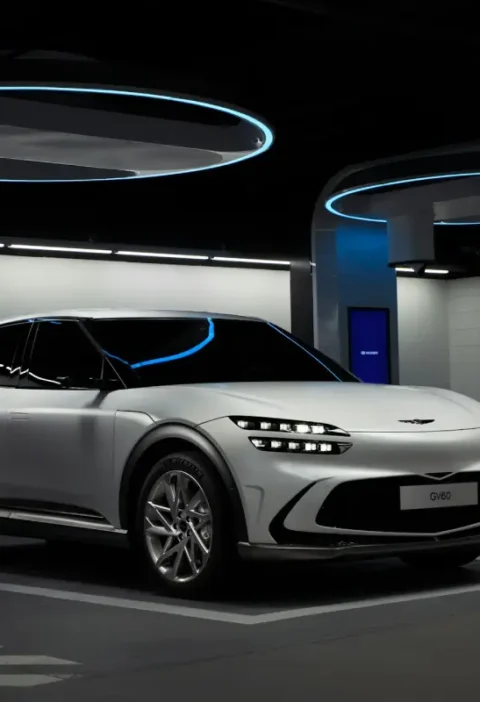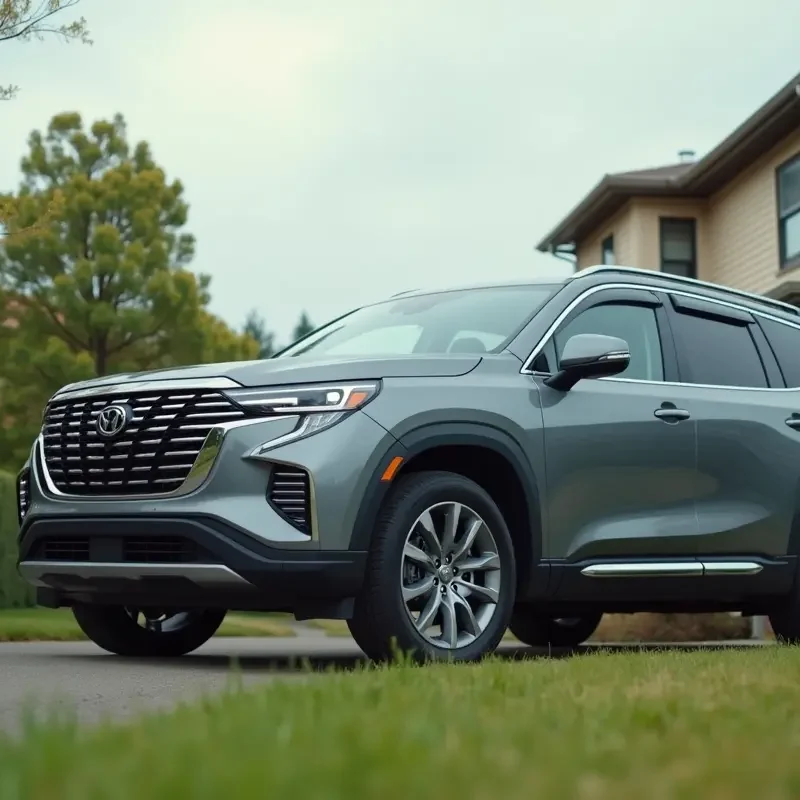
Choosing a 2026 vehicle is easier when the decision begins with your actual life, not a dramatic advertisement or an unusually low payment. The right fit should handle the commute, passengers, cargo, weather, and occasional road trips you expect to make throughout the year.
Start broad, then narrow the search with practical questions about space, powertrain, safety, and ownership costs. When you are ready to explore available options and compare features in person, learn more about vehicles that may suit your needs.
Start With Your Real Driving Routine
Before comparing models, write down what a normal week looks like. Estimate your mileage, identify whether most miles are in town or on highways, and note the passengers and gear that regularly come along. A vehicle that feels ideal for one long vacation may be inconvenient for a daily stop-and-go commute.
Also, separate frequent needs from occasional ones. If you tow a small trailer twice a year, that matters, but it may not justify buying a large vehicle that is harder to park and costs more to fuel every day. On the other hand, frequent family trips, camping weekends, or regular equipment hauling deserve real weight in the decision.
Compare Vehicle Types Before Trims
Choose the vehicle class before getting caught up in leather seating, panoramic roofs, or wheel designs. A well-equipped vehicle in the wrong size category is still the wrong match.
- Compact cars work well for commuting, tight parking, and lower operating costs.
- Hatchbacks provide a small exterior footprint with more flexible room for bags and groceries.
- Compact SUVs balance a higher seating position, useful cargo space, and everyday maneuverability.
- Midsize SUVs are better for larger families, bulkier cargo, and longer trips.
- Three-row SUVs make the most sense when the extra seats will be used regularly, not just once or twice a year.
- Electric vehicles can be especially appealing for predictable driving patterns and dependable charging access.
Match Passenger Space and Cargo Room to Daily Needs
Published cargo numbers are useful, but real-world fit matters more. Bring a stroller, sports bag, work case, pet crate, or other regular item to the dealership. Check whether the cargo opening is wide enough, whether the load floor is practical, and whether the rear seats fold nearly flat.
Families should test every seating position. Install child seats if possible, confirm that doors open wide enough for loading children, and make sure adults can sit comfortably in the second row. A compact SUV may be ideal for two adults and a dog, while three children, bulky sports equipment, and recurring road trips may call for more second-row space or a third row.
Consider Weather, Road Conditions, and Traction
Think honestly about the roads you travel. Rain, snow, ice, gravel lanes, steep driveways, and uneven trailhead parking areas can influence whether front-wheel drive, all-wheel drive, or four-wheel drive makes sense. More traction can help a vehicle get moving, but it does not eliminate the need to slow down, leave extra room, and drive for conditions.
Tires deserve just as much attention as the drivetrain. Tire type, tread depth, inflation, age, and replacement cost affect handling and road-trip readiness. Review tire safety guidance before long drives, especially if you expect changing weather or heavier passenger and cargo loads.
Compare Gas, Hybrid, Plug-In Hybrid, and Electric Powertrains
No powertrain is automatically best for every driver. Gasoline vehicles offer quick refueling and broad availability. Hybrids can reduce fuel use without changing your fueling routine. Plug-in hybrids may work well for drivers who can charge at home and complete many short trips on electricity while retaining gasoline flexibility for longer travel.
Electric vehicles can be a strong fit when home charging is reliable, the daily route is predictable, and you are comfortable planning charging stops on long trips. Actual efficiency changes with speed, traffic, temperature, tire condition, passenger load, and driving habits, so use the official fuel economy tools to compare ratings rather than relying only on a single advertised range figure.
Review Safety Features With Care
Look at crash-test information and compare the safety equipment included on the exact trim you want. Automatic emergency braking, forward collision warnings, blind-spot monitoring, rear cross-traffic alerts, adaptive cruise control, and lane-support features can be helpful, but systems vary in operation and may not be standard across a model lineup.
During the test drive, evaluate backup-camera clarity, mirror visibility, headlight performance, parking sensors, and how easily you can reach important controls. Driver-assistance technology supports an attentive driver. It does not replace seat belts, properly installed child seats, safe following distances, or careful loading of loose items.
Estimate the Full Cost of Ownership
A purchase price or monthly payment is only one part of the budget. Estimate annual fuel or charging costs based on your expected mileage, and get insurance quotes before making a final decision. Check tire size and replacement pricing, since larger or specialized tires can add meaningful expense over time.
Also consider routine maintenance, brake service, filters, warranty coverage, roadside assistance, registration, taxes, accessories, and possible repairs after the warranty ends. A vehicle with a slightly higher purchase price may still cost less to own if it uses less fuel, needs fewer services, or holds its value more effectively.
Use a Practical Test-Drive Checklist
- Drive on both local streets and faster roads.
- Test braking, steering feel, acceleration, and turning radius.
- Adjust the driver’s seat and check visibility in every direction.
- Have regular passengers sit where they will normally ride.
- Load typical gear into the cargo area.
- Pair your phone and test the infotainment system without rushing.
- Listen for road, wind, and suspension noise.
- Ask about towing limits, roof-load ratings, spare-tire equipment, and warranty details.
Common Questions About Choosing a Vehicle
Should Daily Drivers Choose a Car or an SUV?
Cars are often easier to park and may use less fuel, while SUVs can provide added cargo flexibility, a higher seating position, and easier access for some passengers. Let commute length, parking conditions, and regular cargo needs guide the choice.
Is All-Wheel Drive Worth the Extra Cost?
It can be worthwhile for frequent snow, rain, gravel, steep roads, or remote travel. For many drivers, quality tires and cautious driving may matter more than adding all-wheel drive to a vehicle used mainly on well-maintained roads.
Are Electric Vehicles Practical for Weekend Travel?
They can be, provided charging is available along your usual routes. Plan for weather, elevation changes, passenger loads, cargo, and charging-stop time instead of assuming daily driving range will match long-trip convenience.
How Many Vehicles Should Shoppers Compare?
Compare at least three vehicles, ideally across more than one vehicle type. That process makes it easier to identify which features are truly useful and which ones only seemed important on a specification sheet.
Conclusion
The best 2026 vehicle is the one that fits the life you actually lead most days. Focus on routine mileage, passenger comfort, cargo habits, weather, powertrain needs, safety, and long-term costs. A thorough test drive can reveal practical concerns that online research cannot, helping you choose with more confidence and fewer compromises.