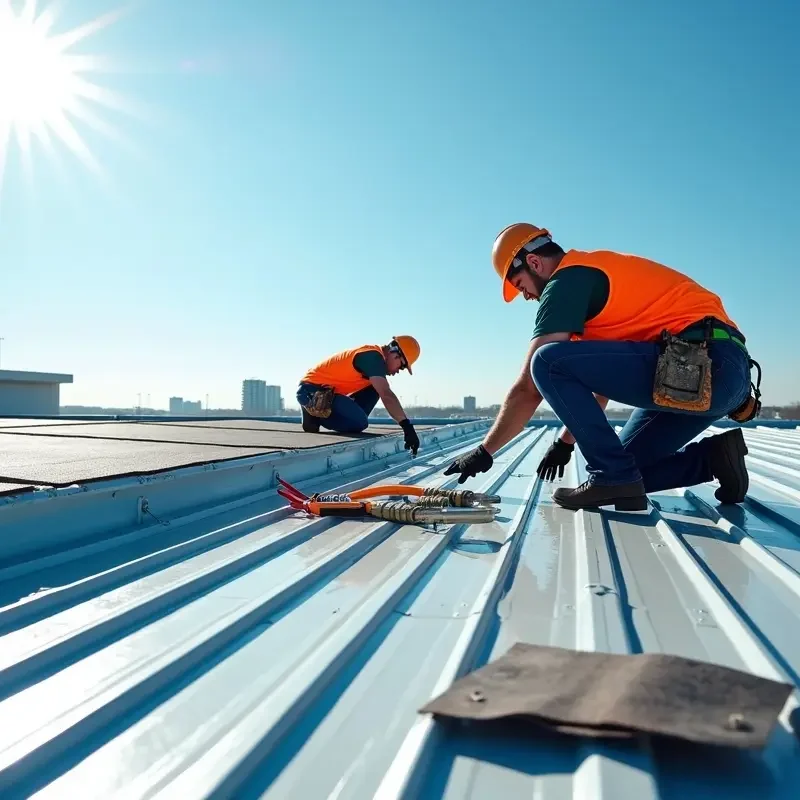
Maintaining a commercial roof requires more than simply addressing issues as they arise. With constant exposure to the elements, Seattle businesses, in particular, face unique challenges, including persistent rain, fluctuating temperatures, and frequent storms. Proactive strategies can help prevent costly damage and ensure your roof stays reliable year-round.
To help business owners make informed decisions, this guide covers the most common commercial roofing issues and effective ways to prevent them. If you’re seeking professional support, reliable commercial roof repair in Seattle is available to keep your property protected from the region’s demanding weather.
A well-maintained roof preserves not only the structural integrity of your building but also minimizes potential disruptions to your operations. By focusing on routine inspection, timely maintenance, and quality installation, you can save significant resources in the long run. Proactive care makes a crucial difference, especially in climates known for heavy rainfall and unpredictable weather.
When business owners understand what causes roofing issues, they can address potential weaknesses before they escalate. Recognizing challenges such as ponding water, membrane punctures, and flashing deterioration enables the implementation of long-term preventive measures. Taking early action drastically reduces the risk of leaks or structural complications, keeping repair expenses and operational downtime to a minimum.
Ponding Water
The Challenge: Flat or low-slope roofs often experience water pooling after heavy rainfall or when drainage systems are blocked. Standing water can accelerate material degradation, create leaks, and promote the growth of mold and algae.
Proactive Solution: Install and maintain appropriate drainage solutions, including regularly cleaned gutters and downspouts. In some cases, tapered insulation can be added beneath the roofing membrane to encourage positive drainage and help eliminate areas where water collects. Inspect after major storms to catch signs of standing water quickly.
Membrane Damage
The Challenge: Damage to the roof membrane—caused by foot traffic, wind-blown debris, or severe weather can introduce points of weakness that allow water to penetrate the system. Small punctures or tears can grow quickly if not addressed.
Proactive Solution: Restrict roof access to necessary personnel and install walkway pads to shield high-traffic areas. Schedule regular inspections to identify and address even minor faults immediately.
Flashing Failures
The Challenge: Flashing is essential at roof edges, penetrations, and connections. Over time, it can pull away, crack, or lose adhesion, increasing the risk of water intrusion at these vulnerable transition points.
Proactive Solution: Schedule semi-annual professional inspections to check flashing for signs of deterioration, unsealed gaps, or corrosion. Promptly repair or replace any compromised flashing to maintain a watertight barrier around all penetrations and edges.
Poor Installation
The Challenge: Inadequate installation is a leading cause of premature roof failure. Mistakes such as improper adhesive application, misaligned seams, or careless flashing can lead to leaks and diminished longevity.
Proactive Solution: Invest in experienced, certified roofing contractors for installation or major repairs. Insist on a post-installation inspection to ensure all components are correctly installed and meet manufacturer standards. The importance of finding skilled professionals cannot be overstated, as publications such as Forbes have noted when exploring commercial roofing options and installation standards.
Lack of Maintenance
The Challenge: Overlooking routine maintenance leads to the accumulation of debris, clogged drains, and unchecked minor issues that often develop into major, costly repairs.
Proactive Solution: Establish a preventive maintenance plan that includes bi-annual professional inspections and immediate repair of any observed damage. Keep detailed records of repairs and inspections to help inform future maintenance efforts and warranty claims.
Weather-Related Damage
The Challenge: Commercial roofs face a range of harsh conditions, including ultraviolet (UV) radiation, heavy rain, hail, snow, and extreme temperature fluctuations. These stressors gradually degrade roofing materials.
Proactive Solution: Consider applying highly reflective roof coatings to help resist UV radiation and thermal cycling. After significant weather events, conduct a rapid inspection to assess potential damage and arrange for immediate repairs. In regions with high winds or hail, selecting impact-resistant roofing materials can further reduce vulnerability.
Structural Movement
The Challenge: Buildings naturally expand, contract, and settle over time, which can lead to cracks, ruptured seals, and other forms of structural stress at critical joints in the roof assembly.
Proactive Solution: Use flexible or self-sealing roofing materials that can accommodate minor structural movement. Schedule periodic building and roof structure assessments to monitor settling or shifting and address any issues before they compromise the roofing system’s integrity.
Final Thoughts
With a proactive approach, many of the most common commercial roofing challenges can be dramatically minimized. Business owners who prioritize preventative maintenance, quality installation, and targeted inspections protect their investment while reducing the likelihood of disruptive leaks or repairs.
A sound strategy involves not only planning but also partnering with professionals who specialize in commercial roofing needs. Ultimately, a well-maintained roof safeguards your property, supports safe operations, and provides peace of mind no matter what the weather brings.