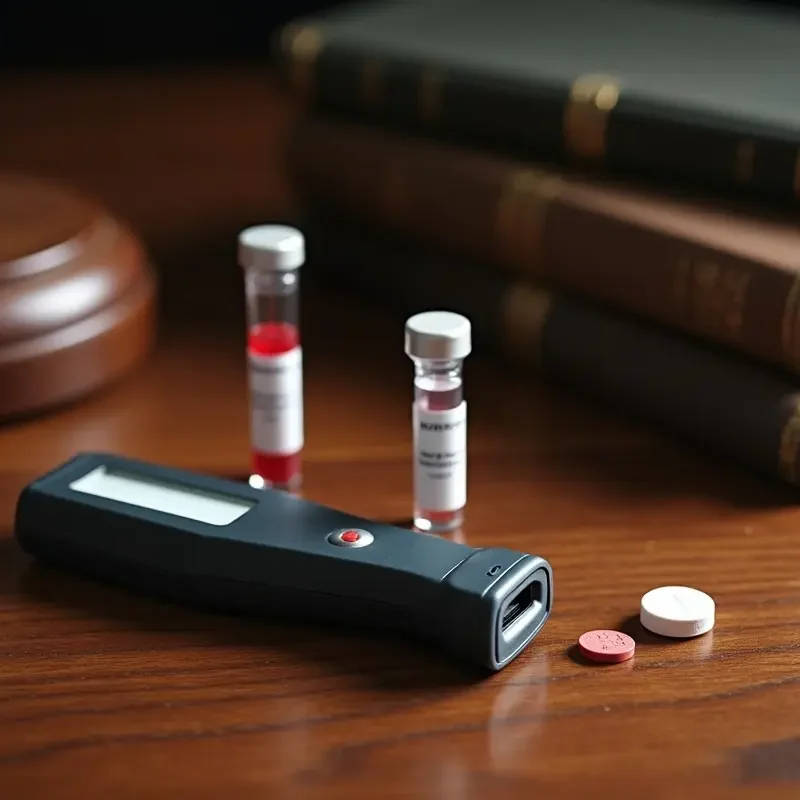
Ohio OVI cases are often discussed as though every impaired-driving arrest follows the same path. In reality, alcohol OVI and drug OVI cases may involve very different evidence, scientific questions, and defense issues. Anyone facing either allegation should understand the distinction and consider speaking with an experienced Dayton OVI attorney promptly after receiving a citation or license-suspension notice.
Although Ohio courts handle both allegations under the state’s OVI law, prosecutors must still prove the applicable charge beyond a reasonable doubt. The central issue may be a measurable alcohol concentration, actual impairment from a drug, a prohibited drug concentration, or a combination of alcohol and drugs.
Ohio’s OVI Law Covers Alcohol, Drugs, and Combined Impairment
Ohio Revised Code Section 4511.19 prohibits operating a vehicle while under the influence of alcohol, a drug of abuse, or a combination of both. The statute also prohibits driving with certain specified alcohol, controlled-substance, or metabolite concentrations in a person’s system. The full Ohio OVI statute is important because it shows that the state can pursue multiple theories in the same case.
That distinction matters. An alcohol case may be based on an allegation that the driver was impaired, that the driver tested at or above the legal alcohol limit, or both. A drug case may instead focus on whether a substance affected the driver’s ability to operate safely, whether testing showed a prohibited concentration of a listed substance or metabolite, or whether alcohol and drugs worked together to cause impairment.
Alcohol OVI Cases Often Depend on BAC Evidence
Alcohol OVI cases often involve breath and blood tests, officer observations, and sobriety tests. A breath alcohol level of 0.08+ can support a “per se’ charge without needing to prove poor driving or visible impairment. However, the court may also review the reason for the traffic stop, probable cause, testing procedures, and machine reliability.
Video footage, test timing, health, and officer instructions can be relevant. Drug OVI cases are more complex as no single test measures all substances. Effects vary based on dosage, tolerance, health, timing, and drug type, including cannabis, prescription meds, stimulants, and illegal drugs, raising different evidentiary issues.
Prescription Medication Does Not End the Inquiry
A valid prescription can be highly relevant, but it is not an automatic defense to an OVI allegation. Ohio courts can still consider whether a prescribed medication impaired driving. On the other hand, the presence of medication in a blood or urine test does not, by itself, always establish that the person was impaired at the time of driving. The medication’s purpose, dosage, warnings, timing, and documented medical use may all require careful review.
Testing Methods Differ in Practical Ways
Alcohol and drug investigations may overlap, but the testing process often differs:
- Breath testing: Commonly associated with alcohol allegations. It measures alcohol concentration in breath and may support a per se alcohol charge.
- Blood testing: May be used in alcohol, drug, or combined OVI investigations. It can raise questions about collection, handling, laboratory analysis, and timing.
- Urine or oral fluid testing may be requested in drug-related investigations, depending on the circumstances and available testing methods.
- Field sobriety tests: These are physical, divided-attention exercises that may be used in either type of case, but injuries, footwear, road conditions, weather, age, and medical limitations can affect performance.
Ohio’s implied-consent law can create separate consequences when an arrested driver refuses a requested chemical test or tests above an applicable prohibited concentration. The Ohio Bureau of Motor Vehicles explains the current administrative license suspension process, but individual paperwork and deadlines should be reviewed immediately.
Do Drug and Alcohol OVI Charges Carry Different Penalties?
In many situations, the basic sentencing framework is similar because both are charged as OVI offenses. The severity of potential penalties may depend on prior OVI convictions, the test result, allegations of refusal, the presence of a passenger under 18, an accident, a commercial driver’s license, and other case-specific factors.
However, practical consequences may differ. A drug OVI allegation can raise questions about medication use, professional licensing, employment drug policies, or ongoing medical treatment. An alcohol OVI with a high test result may involve additional statutory consequences. In either setting, a person should not assume that one type of OVI is automatically easier or harder to resolve than the other.
What to Preserve After an OVI Arrest
Early documentation can be especially useful in a drug OVI case, where timing and alternative explanations may matter. As soon as possible, preserve:
- All citations, test forms, property receipts, suspension notices, and court paperwork.
- A written timeline of the stop, arrest, testing, and release.
- Medication bottles, prescription records, and pharmacy information, when relevant.
- Receipts, messages, location records, and witness contact information that help establish timing.
- Photographs or notes about injuries, footwear, weather, lighting, or road conditions.
Final Thoughts
Alcohol OVI and drug OVI cases share the same broad purpose: Ohio prohibits impaired driving. Yet courts often evaluate them through different types of evidence. Alcohol cases may center on BAC results, while drug cases may require closer scrutiny of laboratory findings, impairment observations, medication records, and the timing of substance use.
Prompt attention to the citation, license paperwork, and surrounding facts can help a person make informed decisions. This article provides general information and is not legal advice for any individual case.