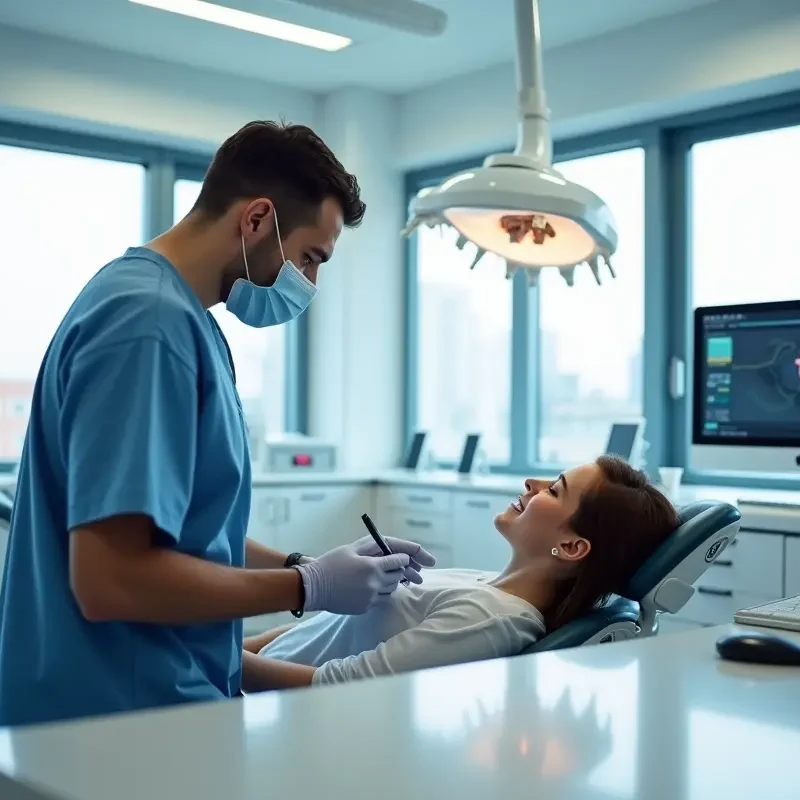
Modern dental care is experiencing a wave of innovation, reshaping how oral health providers diagnose, treat, and interact with patients. The rise of advanced technologies is making dental treatments more precise, efficient, and comfortable, greatly benefiting patients and practitioners alike.
Among the most notable advances are digital impressions, artificial intelligence, and 3D printing, which are dramatically changing procedures like dental implants and routine restorations. These tools are enabling practitioners to deliver higher-quality care and helping patients achieve better oral health outcomes with less inconvenience and discomfort.
As digital tools become integrated within dental clinics, patients are experiencing less time in the chair, fewer invasive procedures, and improved access to specialized care. Dental professionals now leverage data and automation for more accurate treatments, promising a higher standard of care for all. In turn, the entire patient experience is being reimagined for greater comfort and transparency.
Digital Impressions and CAD/CAM Technology
The introduction of digital impressions is a game-changer for both dentists and patients. Unlike traditional molds that can be uncomfortable and imprecise, digital scanners create accurate 3D images of teeth in minutes. These digital files seamlessly integrate with Computer-Aided Design and Computer-Aided Manufacturing (CAD/CAM) systems, using software to design and produce high-quality dental restorations such as crowns, bridges, and veneers.
This streamlined process cuts down wait times and improves fit and aesthetics. Many patients no longer need temporary crowns or multiple appointments for basic restorations. Clinicians can often prepare, fabricate, and place custom restorations in a single visit, which has also contributed to increased patient satisfaction and reduced anxiety about dental work. Leading sources like the American Dental Association highlight the efficiency and growing adoption of digital impressions in clinical practice.
Laser Dentistry
Lasers have established their place as a cornerstone of modern dental procedures. Laser dentistry uses focused beams of light to treat oral conditions with unmatched precision. Common uses include gum contouring, cavity preparation, frenectomies, and teeth whitening. The main reasons patients and dentists prefer lasers are less pain, reduced bleeding, minimal swelling, and accelerated healing compared to conventional methods.
In addition, lasers make it possible to treat specific areas without impacting surrounding tissue, which is important in both restorative and cosmetic procedures. Their ability to target and remove diseased tissue selectively makes them invaluable in gum disease management and soft tissue surgery.
Artificial Intelligence in Dentistry
The integration of artificial intelligence (AI) into dental care is opening new frontiers in disease detection and personalized treatment planning. AI-powered tools can analyze X-rays, scans, and patient records much faster than the human eye, revealing cavities, bone loss, infections, and even the earliest signs of oral cancer. Algorithms draw on vast datasets to spot patterns and provide evidence-based recommendations, greatly enhancing diagnostic accuracy.
AI-driven software also supports treatment planning and outcome prediction for orthodontic and restorative procedures. By offering tailored care, dentists can design more efficient, effective, and individualized plans for every patient. The role of AI in predictive analytics is also being closely followed by publications such as the American Dental Association, which underscores the potential to revolutionize preventive care and outcome standards in modern dentistry.
Teledentistry
The pandemic era accelerated the adoption of teledentistry, but its value extends far beyond short-term convenience. Teledentistry allows patients to connect with dentists through secure video calls, chat, or image sharing, regardless of distance. This is especially crucial for those living in rural or underserved communities, as it provides access to consultations and ongoing care that might otherwise be unavailable.
Patients can receive assessments, preventive guidance, and post-treatment follow-up from the comfort of their homes. Dentists are now able to triage cases, determine urgency, and assist in monitoring chronic oral conditions more efficiently. This ongoing connection supports continuity of care while minimizing in-person visits for routine concerns.
3D Printing in Dental Care
3D printing technology has become increasingly prominent in the dental field. With digital scans as their base, dental teams can produce highly customized crowns, bridges, orthodontic appliances, and dentures in a matter of hours. Recovery times can be shortened due to the superior fit and comfort of these tailored solutions.
Innovations in dental materials have made 3D-printed solutions durable and suitable for a wide range of clinical applications. Dental professionals can also provide same-day repairs or replacements for broken appliances, reducing disruption for patients. According to the American Dental Association, this technology is already being used extensively to enhance precision and patient experience in modern dental offices.
Smart Toothbrushes and Dental Apps
Personal oral care is also being transformed by the use of smart toothbrushes and dental health apps. These connected devices track brushing patterns, provide feedback in real time, and even reward consistent oral hygiene habits. Many can remind users when it is time to replace a brush head, schedule a checkup, or maintain optimal brushing technique.
Dentists encourage the use of these digital health tools to promote regular, effective home care and enable tracking of oral health over time. By connecting the patient at home with their dental provider, these innovations help close the gap between office visits and daily oral care.
Conclusion
Dental care is transforming with innovative technologies at its core. Digital impressions, AI, 3D printing, laser dentistry, and connected care solutions are collectively driving progress in dentistry, benefiting both patients and professionals. Quicker, more accurate treatments, enhanced precision, and greater accessibility are redefining patient experiences and raising the standard of oral health around the world.