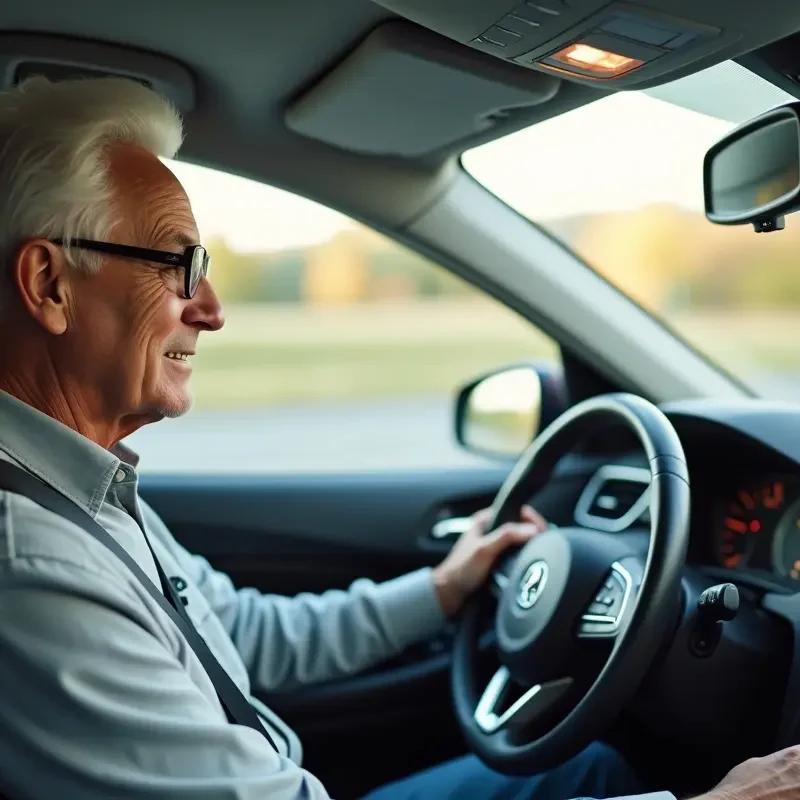
Maintaining safe driving practices is essential for older adults to preserve their independence and protect everyone on the road. As our bodies and minds change with age, increased awareness of safety measures becomes even more important. Simple steps and preventive habits make a significant difference. For those interested in maximizing savings and benefits, see what AARP members can save on car insurance with The Hartford. Thoughtful planning and proactive action allow seniors to continue enjoying the freedom of driving comfortably and confidently.
Health-related factors, medication effects, new vehicle technology, and even local transportation options all play a part in ensuring senior drivers remain competent behind the wheel. By understanding how to adapt and when to seek help, older adults can significantly reduce their risk and continue to enjoy mobility as they age.
Regular health assessments and honest discussions with healthcare providers are vital in preventing accidents caused by vision or hearing loss. It is equally important to understand how various medications might interact and influence driving ability, and to make necessary adjustments to daily routines and driving patterns to stay safe on the road.
Learning to recognize the signs when it is time to limit or stop driving can also be empowering rather than limiting. By actively seeking out modern resources, adopting helpful new habits, and staying educated on evolving road laws, seniors can enhance their safety and quality of life.
Regular Health Check-ups
Aging naturally affects the eyes and ears, which can reduce a person’s ability to respond to changes in traffic and road environments. Scheduling regular vision and hearing exams is one of the best ways to identify age-related decline before it affects driving. Eye doctors can catch problems like cataracts, glaucoma, or macular degeneration early, while hearing specialists can test for hearing loss that might prevent a driver from noticing emergency sirens or approaching vehicles.
According to the Centers for Disease Control and Prevention (CDC), routine check-ups are a cornerstone of highway safety for seniors. Periodic health reviews also enable doctors to track other health conditions, such as diabetes or arthritis, that may affect reaction times and muscle coordination, both essential for driving.
Understanding Medication Effects
Many seniors take several medications daily, some of which may cause side effects such as sleepiness, confusion, or slowed reflexes. Even non-prescription drugs and supplements can have unexpected interactions, especially when combined. Talking with healthcare providers about each prescription’s impact on driving is crucial. Physicians and pharmacists can often offer alternative dosing schedules or recommend medications with fewer side effects if drowsiness or dizziness impairs driving ability.
The National Institute on Aging offers evidence-based advice on how medication regimens can affect senior drivers and what steps to take if unsafe side effects occur. Do not hesitate to maintain a current list of all medications and bring it to every appointment for review.
Adapting Driving Habits
Older drivers can increase their safety by making small but significant changes in how and when they drive. If nighttime vision is poor, limiting driving to daylight hours can make a huge difference. Other drivers choose to avoid rush hour or inclement weather to have a less stressful, safer experience. Planning simpler routes, taking frequent breaks during long trips, and allowing extra travel time can also reduce pressure and risk.
Valuable resources from the National Highway Traffic Safety Administration (NHTSA) detail strategies tailored for older individuals, such as checking blind spots more frequently or increasing following distances to provide greater reaction time in unexpected situations.
Vehicle Maintenance and Safety Features
Keeping a car in top condition is just as important for safety as having good personal health. Schedule regular check-ups for brakes, tires, lights, and wipers to avoid mishaps. Older adults may also choose to drive newer vehicles equipped with advanced safety technologies such as automatic emergency braking, lane departure warnings, and backup cameras. These tools can help compensate for slower response times or trouble with blind spots.
Learning how these features work and actively using them can make driving easier. For those considering a new vehicle, consulting comparison guides from trusted resources such as Consumer Reports can provide valuable insights on the latest safety advances tailored for older drivers.
Alternative Transportation Options
Even with diligent precautions, there may come a time when driving is no longer the safest choice. Rather than viewing this transition negatively, exploring reliable and affordable transportation alternatives can help maintain independence.
Many urban and suburban communities offer public transit passes for seniors, special community shuttle programs, or discounts with rideshare services. Knowing which local options exist and trying them out before fully retiring from driving can make the transition smoother and encourage continued mobility and social engagement.
Staying Informed and Educated
Regulations, technologies, and road environments are always changing. Enrolling in driver refresher courses, such as those offered by AARP, helps older adults stay up to date on new laws, signage, and safe driving techniques. These programs often offer insurance discounts upon completion and are tailored to match the specific needs and concerns of mature drivers.
Many states provide resources and support to help seniors maintain their licenses longer and with greater confidence. Checking with your state’s motor vehicle department can reveal local options for in-person or online education.
By embracing a proactive mindset and making informed choices, older adults can continue to drive safely, supporting their independence while ensuring their own and others’ safety on the road.