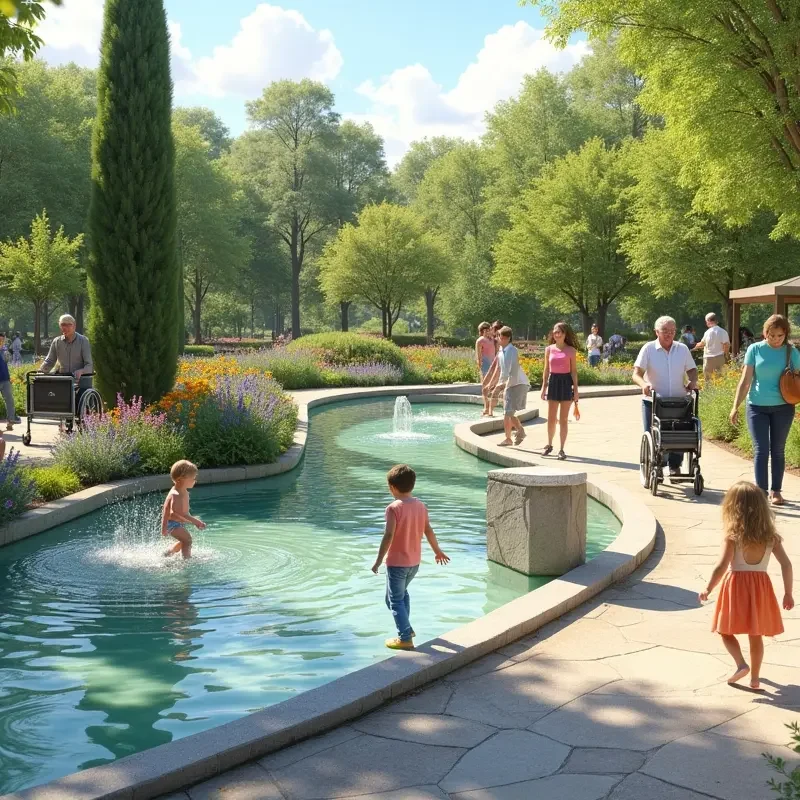
Creating public gardens that are both beautiful and functional requires a unique blend of creativity, technical knowledge, and an understanding of community needs. Unlike private landscapes, public gardens are communal assets that must cater to broad audiences and diverse activities.
A thoughtfully designed garden not only offers a peaceful retreat but can also become an educational resource, a center for cultural events, and a vital part of the urban ecosystem. An inspiring example is the Japanese Tea Garden San Antonio, which combines aesthetic splendor with accessibility, sustainability, and a strong community connection.
Successful public gardens balance visual appeal with practical considerations such as durability, environmental impact, and inclusivity. Designers must address issues ranging from foot traffic and plant longevity to accessibility for people with disabilities. This guide walks through essential practices for designing public gardens that truly serve their communities for years to come.
Understanding Public Garden Design
Public garden design is distinct from residential garden planning in both scale and scope. Public gardens must withstand constant use by a wide range of visitors, from families with young children to the elderly and people with mobility challenges.
To accommodate high foot traffic, materials chosen for pathways, benches, and play areas must be durable yet harmonious with the garden’s overall aesthetic. Safety is another fundamental consideration. Visibility, clear lines of sight, and well-marked pathways contribute to users feeling secure while enjoying the space.
The function of a public garden often extends beyond leisure, providing educational opportunities and spaces for group activities. For example, integrating botanical labeling, interpretive signage, and spaces for outdoor classes can transform a garden into a living classroom. Organizers of renowned public spaces frequently reference research conducted by institutes, which illustrates the long-term benefits of planning for multi-purpose functionality from the outset.
Prioritizing Accessibility and Inclusivity
Truly successful public gardens are designed with universal access in mind. Inclusive design ensures that every visitor, regardless of ability, can enjoy and navigate the space with ease. This means integrating wide, slip-resistant pathways, accessible restrooms, and informative signage featuring both visual and braille elements. Seating should be available at regular intervals, ideally with back and armrests to accommodate those who need additional support.
Children’s areas with interactive features, sensory gardens for people with visual impairments, and quiet zones for those who may be overwhelmed by crowds are all elements that promote inclusivity. According to recommendations from the American Society of Landscape Architects, accessibility should be viewed as a standard design principle rather than a special requirement.
Implementing Sustainable Practices
Sustainable public garden design focuses on environmental stewardship and long-term maintenance. Using native plants that are well-adapted to the local climate reduces water usage, fertilizer needs, and pest problems. Gardens built on sustainable principles often feature rainwater harvesting systems, permeable surfaces, and composting stations, reducing their ecological footprint and operating costs.
Integrating sustainable practices also helps mitigate the impact of climate change. For instance, planting shade trees can lower temperatures for visitors and conserve energy in nearby buildings. The use of recycled materials in garden construction, responsible irrigation, and the nurturing of pollinator habitats all contribute to vibrant, resilient green spaces. The United States Environmental Protection Agency (EPA) offers guidance on sustainable landscaping strategies that benefit public spaces while protecting natural resources.
Engaging the Community
Community input is indispensable to the ongoing vitality of public gardens. Early and continuous engagement through surveys, public meetings, and interactive design workshops ensures that the final garden reflects the needs and aspirations of its community. When locals are part of the planning and evolution of a garden, they are more likely to form lasting connections and invest in its upkeep.
Collaboration can also include partnerships with local schools, non-profits, and businesses for programming and ongoing maintenance, creating a true sense of shared ownership. Community gardens, for example, provide educational and economic opportunities in addition to beautifying neighborhoods, as demonstrated by many successful urban green space projects nationwide.
Conclusion
Great public gardens are durable, inviting, and sustainable community treasures. By focusing on accessibility, sustainable design, and community engagement, garden planners can create spaces that will be loved and cared for by future generations. Drawing inspiration from successful spaces like the Japanese Tea Garden in San Antonio, and heeding expert advice, designers can ensure their public gardens blossom into vital, welcoming resources for diverse communities everywhere.