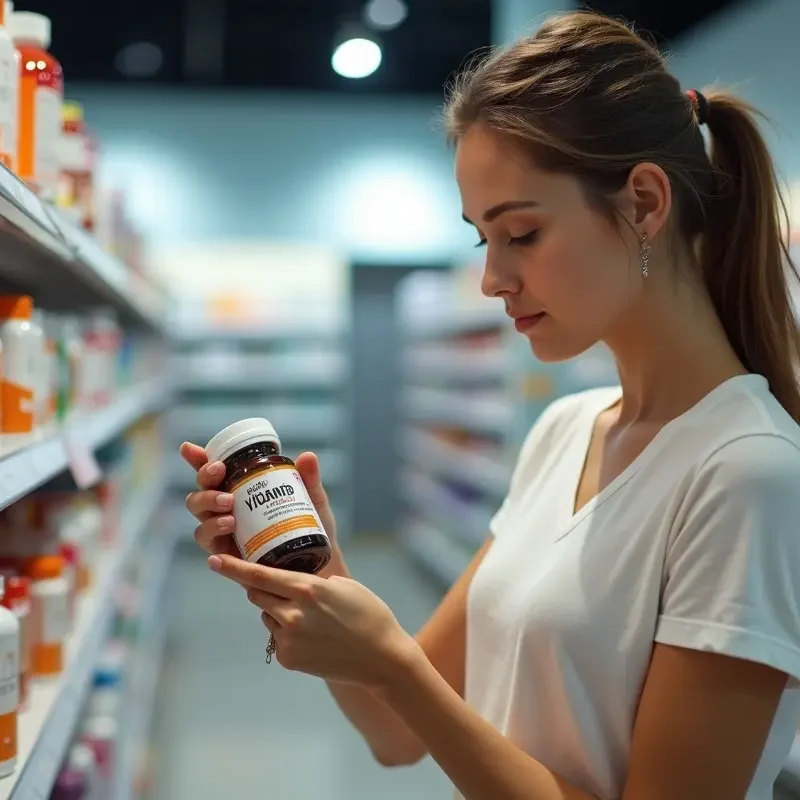
Private-label supplements are transforming the wellness aisle and shaping how consumers make buying decisions. With rising demand for quality, innovation, and ethical practices, private-label brands are quickly becoming a top choice for discerning shoppers. Whether consumers are seeking affordability or specialized formulations, the power of private label is undeniable in today’s health-conscious market. To learn more about the opportunities available within the private label supplement space, you can explore industry-leading solutions designed for every stage of product development.
The world of private label supplements goes beyond cost savings. Brands are increasingly stepping up their focus on transparency, sustainability, and digital engagement. These factors not only drive sales but also shape consumers’ perceptions of product quality and retailer credibility. As competition intensifies, understanding the forces at play in the private label sector is more important than ever for retailers and consumers alike.
Rising Popularity of Private Label Supplements
Spanning North America and Europe, private-label supplements are capturing a growing share of the market. In 2024, store brands reached record sales of $271 billion, reflecting a 3.9 percent increase over the previous year. This growth outstripped that of national brands, which posted only a 1 percent gain. Private-label supplements now offer consumers not just cost savings but also impressive quality, changing perceptions of the value they provide.
This trend has encouraged even established retailers to expand their in-house offerings. Pharmacies, supermarkets, and large online platforms are curating supplement lines that rival national brands in ingredient quality and variety. As a result, consumers have more choices than ever for meeting their health and wellness needs.
Quality and Innovation in Private Label Products
Today’s private label products are far removed from the generic offerings of the past. Major retailers are investing heavily in research and development, delivering advanced formulations that prioritize potency, efficacy, and unique nutrient combinations. For example, in Europe, premium private-label supplements are on the rise, incorporating superior bioavailability and clinically studied ingredients to appeal to a more informed, demanding customer base.
This strategic focus is expected to propel the private-label supplement market to a compound annual growth rate of 7 percent to 9 percent over the next five years. Companies are not just following industry benchmarks; they are setting them.
Consumer Trust and Brand Perception
Trust is at the heart of the decision-making process for supplement buyers. Recent surveys reveal that a large majority of consumers view private label supplements as offering genuine value and quality on par with, or superior to, national brands. Transparency has played a crucial role here. Leading private label brands disclose detailed ingredient sourcing, incorporate third-party testing, and adapt to consumer requests for cleaner formulations.
This shift in trust is partly fueled by retailers’ direct connections with their customer bases. Rather than relying on celebrity endorsements or traditional marketing, private label brands foster confidence through tangible product performance and word-of-mouth recommendations, creating loyal communities around store brands.
Sustainability and Ethical Sourcing
Modern shoppers want more than effective supplements; they expect products to reflect their ethical and environmental values. In response, private-label brands are setting new sustainability standards. Eco-friendly packaging, ethically sourced botanicals, and supply chain transparency are rapidly becoming hallmarks of reputable private label supplements.
Retailers that invest in these initiatives benefit from enhanced brand reputation and a greater ability to attract consumers who prioritize green practices. This mirrors a broader shift across the food and health industries.
Diverse Consumer Demographics
The appeal of private-label supplements spans many age groups and socioeconomic backgrounds. Younger consumers, such as Millennials and Gen Z, are especially receptive to private label options, owing to their value-driven approach and comfort with digital research. Additionally, higher-income households are increasingly recognizing the value proposition of store brands, driving wider adoption across diverse shopper segments.
This broad market acceptance represents a notable departure from past trends, in which private-label products were mainly sought after by budget-conscious shoppers. Today, the universal embrace of private-label supplements highlights their competitive pricing, improved quality, and innovation. This is a clear indication of how consumer demands continue to evolve faster than ever before.
Impact of Digital Engagement
Digital transformation is elevating private label supplements to new heights. Online channels enable retailers to educate shoppers, inform them, and connect with them through targeted advertising, influencer partnerships, and tailored supplement recommendations. Social media and user-generated content further amplify this digital acceleration, allowing private-label brands to build authenticity and communities.
Direct engagement through apps and e-commerce platforms gives retailers a feedback loop to refine formulations and address customer needs quickly. This digital interaction not only boosts customer loyalty but also fuels word-of-mouth referrals, a vital driver for continued growth.
Future Outlook for Private Label Supplements
The future of private-label supplements is bright and dynamic. Continuous investment in product development, sustainability, and digital engagement positions these brands to address shifting consumer demands with agility and creativity. As retailers further tailor their offerings to niche preferences and introduce science-backed innovations, private-label supplements are poised to play an even more significant role in the health and wellness sector. Their adaptability ensures they will remain at the forefront of market trends, meeting the evolving priorities of today’s savvy shoppers.
Ultimately, the rise of private-label supplements underscores a significant shift in consumer behavior. By choosing store brands, shoppers demonstrate a clear desire for value, quality, and ethical responsibility. This trend is reshaping the landscape for both consumers and retailers, offering fresh opportunities and raising expectations across the supplement industry.