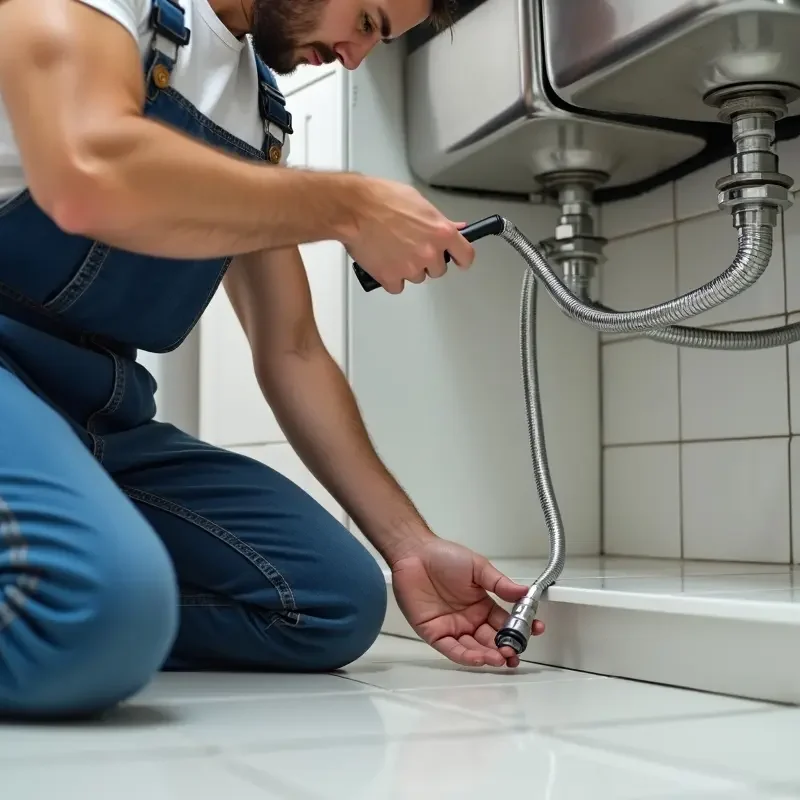
A plumbing snake, also known as a drain auger, is a flexible, coiled tool designed to navigate through pipes and dislodge stubborn clogs. Unlike chemical drain cleaners, which can be harsh on pipes and the environment, a plumbing snake offers a mechanical solution to clear blockages effectively.
For a detailed guide to snaking a drain, consider the insights from Beyer Plumbing, a trusted family-owned company serving San Antonio, New Braunfels, Boerne, and surrounding areas since 1990. Their expertise in residential and commercial plumbing services makes them a reliable source for such information.
Types of Plumbing Snakes
There are several types of plumbing snakes, each suited for specific tasks:
- Handheld Drain Augers: Ideal for sinks and bathtubs, these manual devices are user-friendly and effective for minor clogs.
- Toilet Augers: Specifically designed for toilets, these augers have a protective sleeve to prevent damage to the porcelain.
- Motorized Drain Snakes: Suitable for severe or deep clogs, these electric-powered tools are typically used by professionals.
Step-by-Step Guide to Using a Plumbing Snake
- Prepare the Area: Place towels around the work area to catch any spills. Wear gloves to protect your hands.
- Insert the Snake: Gently feed the snake into the drain until you feel resistance.
- Rotate the Snake: Turn the handle clockwise to break through the clog. Apply steady pressure but avoid forcing it.
- Retrieve the Snake: Once the resistance lessens, slowly pull the snake out, bringing the debris with it.
- Flush the Drain: Run hot water to ensure the blockage is completely cleared.
Safety Tips
- Avoid using excessive force to prevent pipe damage.
- Do not use a regular drain snake on toilets; instead, use a toilet auger to avoid scratching the porcelain.
- After use, clean the snake thoroughly to prevent contamination.
Preventive Measures
To minimize future clogs:
- Dispose of grease and food particles properly instead of pouring them down the sink.
- Use drain guards to catch hair and debris.
- Regularly flush drains with hot water to prevent buildup.
Common Causes of Drain Clogs
Understanding what causes drain blockages helps you prevent stubborn clogs. Most household drains clog from organic matter, hair, food scraps, grease, or foreign objects washed down the drain. Kitchen grease and oil, though seemingly harmless with hot water, solidify as they cool, sticking to pipes and causing obstructions.
In bathrooms, hair and soap residue form dense buildup that resists flushing. Shower and bathtub drains can clog from long hair, soap scum, and mineral deposits from hard water, creating a thick mass that restricts water flow. Toilets clog from excessive toilet paper, hygiene products, or foreign objects that don’t dissolve. Being mindful of what goes into each drain reduces the need for plumbing repairs.
Choosing the Right Plumbing Snake
When selecting a plumbing snake, consider the type and location of the clog. For example, a basic handheld snake is usually sufficient for shallow clogs in sinks, while motorized or longer snakes may be necessary for deep or persistent obstructions in main lines. The snake’s diameter should also match the pipe’s size to avoid damage.
Some high-end models offer interchangeable tips designed to tackle different types of debris, from dense hairballs to hardened mineral deposits. Investment in a quality plumbing snake can save time, money, and frustration in the long term, especially for homeowners prone to recurring plumbing issues.
DIY vs. Professional Plumbing Snake Use
Many homeowners feel comfortable using a plumbing snake for minor clogs, but there are times when professional expertise is invaluable. Complex plumbing systems, aged or fragile pipes, or repeated blockages often require specialized tools and experience beyond basic DIY skills.
Professionals have access to heavy-duty motorized augers, camera inspection equipment, and hydro-jetting machines that can clear years of buildup and identify underlying issues, such as root intrusion or crumbling pipes. Attempting to force a clog loose under these circumstances can worsen the problem and lead to costly repairs.
Plumbing Snake Maintenance and Storage
Proper care and storage of your plumbing snake are crucial for its longevity and effectiveness. After each use, thoroughly clean the cable with disinfectant to remove bacterial contaminants and debris. Dry the tool thoroughly to prevent rust, then coil it neatly and store it in a dry, accessible location.
For motorized snakes, follow the manufacturer’s guidelines for lubrication and component care. Proactive maintenance not only ensures reliable performance but also protects your investment for years to come.
When to Call a Professional
If repeated attempts to clear a clog are unsuccessful, or if multiple drains are affected, it may be time to consult a professional plumber. Persistent issues could indicate more serious problems within your plumbing system.
Conclusion
Using a plumbing snake is an effective way to clear drain clogs when done correctly. By understanding the types of snakes available and following proper techniques, homeowners can maintain their plumbing systems and prevent future issues.