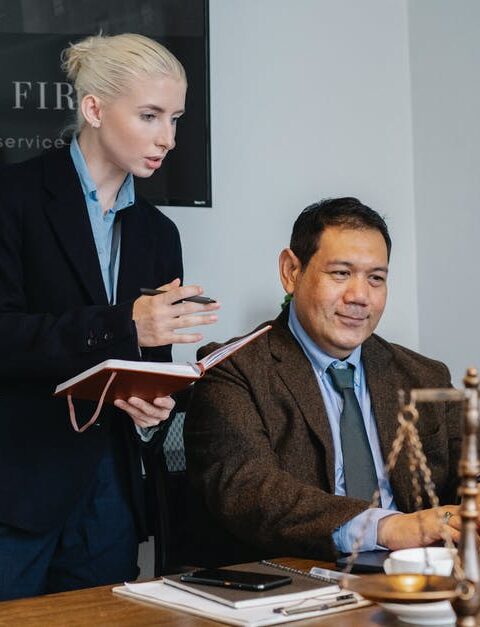
Blended families, which include one or both partners having children from previous relationships, face estate planning scenarios that are often more complex than those of traditional families. Achieving a balance between honoring relationships from both current and prior unions and ensuring that each loved one is fairly provided for demands a thoughtful approach. Taking intentional steps to avoid misunderstandings and unintended exclusion is essential in creating a plan everyone can support.
Open and honest communication early on is fundamental to setting the stage for an effective estate planning process. Establishing trust and clarity can benefit everyone involved, reducing stress and minimizing the risk of legal disputes down the road. By starting conversations sooner rather than later and consulting trusted professionals such as Lisa Salines-Mondello, families can find peace of mind while safeguarding the interests of all members.
Open Communication: The Foundation of Effective Planning
Discussions among family members about expectations and potential future scenarios help in addressing both emotional and practical considerations. Especially in blended families, children from previous marriages might worry about being overlooked, while new spouses may have concerns about financial security. According to Kiplinger, transparent communication about asset division, guardianship, and inheritance planning not only reduces possible tensions but also encourages collaborative decision-making.
To facilitate these conversations, it’s helpful to involve a neutral third party, such as a financial advisor or estate planning attorney, who can help mediate sensitive topics. The goal is to clarify everyone’s wishes and document them clearly, so the eventual estate plan supports family harmony.
Updating Beneficiary Designations
Assets such as life insurance policies, retirement accounts, and investment funds pass directly to named beneficiaries, regardless of what’s outlined in a will. Failing to update these designations regularly can have serious consequences, such as unintentionally leaving those assets to a former spouse or accidentally omitting stepchildren.
For blended families, reviewing and updating these beneficiary designations is crucial. Doing so ensures that each intended recipient is recognized and that your current wishes are honored. A simple annual review of all account beneficiaries can prevent costly errors and disappointment for your heirs.
Utilizing Trusts for Asset Distribution
Trusts enable more control and flexibility in deciding how, when, and to whom assets will be distributed. For example, a Qualified Terminable Interest Property (QTIP) trust allows a surviving spouse to benefit from the trust’s income during their lifetime, while ensuring that the principal eventually passes to children from a prior marriage. This tool prevents conflicts between spouses and children, fostering fairness and stability within the family.
Other trust structures, such as revocable living trusts or irrevocable life insurance trusts, can further support the specific needs of blended families. They may provide additional protections for minor children or guarantee that inheritances are protected from outside claims.
The American Bar Association provides a wealth of information about how different trusts can meet the needs of modern families.
Addressing Guardianship for Minor Children
For families with minor children, selecting and naming a guardian is one of the most critical decisions in any estate plan. If both parents pass away unexpectedly, guardianship arrangements determine who will care for the children and make important decisions on their behalf.
In blended families, there can be added complexities if step-parents, biological parents, or extended relatives are involved. Clearly documenting who will serve as a guardian and discussing that choice with all parties in advance reduces the likelihood of disputes and ensures the children’s best interests are prioritized.
Considering Prenuptial and Postnuptial Agreements
Prenuptial and postnuptial agreements are invaluable tools for clarifying the distribution of assets and setting financial expectations should the marriage end or a partner pass away. Integrating these agreements with the broader estate plan can provide certainty and transparency, particularly for blended families where financial obligations to children, former spouses, or new partners may overlap.
These agreements are not just for high-asset couples. They provide a clear framework for ownership and inheritance that can complement traditional estate planning documents.
For additional insights on how these agreements support blended families, Nolo offers a helpful overview.
Regularly Reviewing and Updating the Estate Plan
Estate plans are not static. Significant life events, such as remarriage, divorce, the birth of a new child, or the passing of a family member, can affect your intentions. Regularly revisiting documents and making updates as your circumstances evolve is essential to keep the estate plan aligned with your current wishes.
Schedule periodic reviews with your attorney and financial planner to ensure everything remains up to date and legally valid. Document any changes and communicate them to your family to avoid surprises in the future.
Seeking Professional Guidance
Navigating the intricacies of estate planning for blended families is rarely simple. Working with an experienced estate planning attorney can help you understand all available options and ensure that your plan meets your specific objectives. An attorney will provide guidance tailored to your unique situation, help minimize the risk of legal challenges, and empower your loved ones through thoughtful documentation and decision-making.
By proactively addressing complexities and embracing professional support, blended families can build comprehensive estate plans that safeguard every member’s interests and foster lasting family harmony.