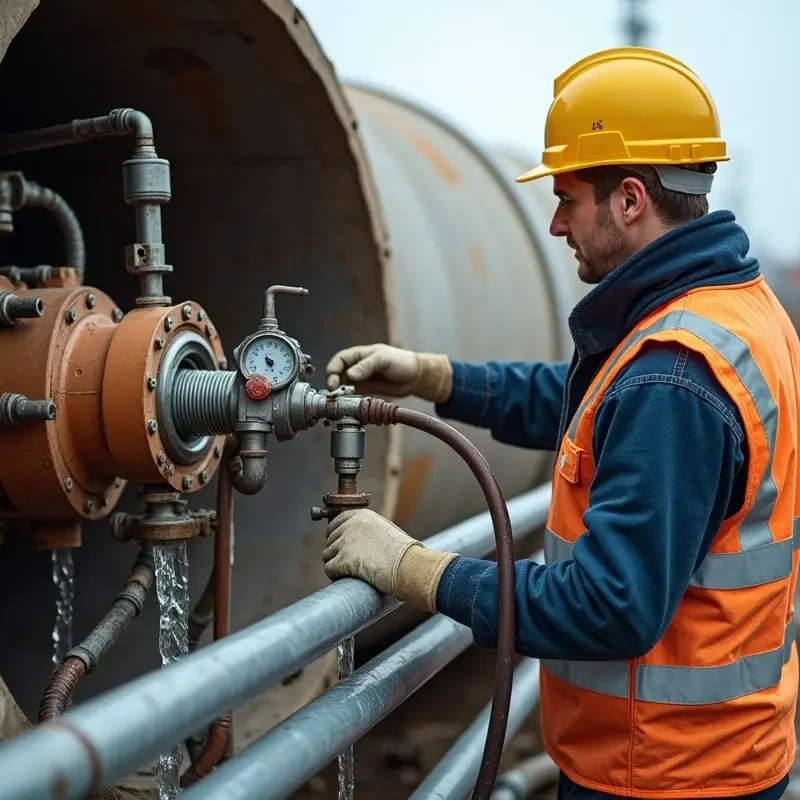
Water main testing is vital to the reliability and safety of any community’s water supply. Testing procedures confirm that water mains deliver clean, uncontaminated water and function properly, minimizing the risk of service disruptions or costly repairs. Start by using quality testing equipment, such as a hydrostatic test pump, to verify a water main’s pressure capacity and identify potential weaknesses before issues arise. Such proactive steps help utilities uphold regulatory standards while preventing damage to critical infrastructure.
When local governments and utility providers prioritize best practices, they minimize the risk of water loss through leaks and protect public health from harmful contaminants. These practices also help avoid unexpected emergencies that can disrupt daily life and strain municipal resources. Frequent and effective water main inspections demonstrate a utility’s commitment to accountability and public welfare.
While water main assessments often focus on leak detection or pressure checks, thorough on-site assessments should also examine overall infrastructure condition and water quality. Innovations in diagnostic technology, like digital meters and pressure loggers, have made these evaluations more efficient and precise, reducing human error and increasing the accuracy of results.
Securing long-term water safety also depends on routine checks for emerging threats such as lead contamination, especially in systems serving older neighborhoods or vulnerable populations, such as schools and childcare centers. By working alongside public health authorities, utility operators can ensure compliance with evolving standards and provide reassurance to the communities they serve.
Importance of Regular Testing
Testing water mains at consistent intervals safeguards water quality and prevents service outages. Routine tests detect unseen leaks, locate pressure drops, and identify contamination early. Undetected leaks can waste thousands of gallons of water daily, increase repair costs, and cause extensive property damage. According to the U.S. Environmental Protection Agency, proactive maintenance and testing prevent most water main failures and help maintain compliance with the Safe Drinking Water Act.
Establishing a Testing Schedule
An effective testing schedule ensures no part of the water system is neglected. Guidelines suggest that larger water meters should be assessed annually, while smaller residential meters can be evaluated every 5 to 10 years, depending on age and water usage. Regular reviews of manufacturer recommendations and system performance data enable utilities to refine their schedules and focus resources where needed most. Practicing this level of vigilance also supports efforts to reduce non-revenue water.
Utilizing Certified Testing Equipment
Calibrated, certified equipment produces reliable, actionable results. Volumetric measuring devices with digital, resettable counters permit accurate water flow quantification and pressure assessment. Utilities should audit their testing equipment regularly to avoid relying on outdated meters that can underreport usage and impair billing accuracy. For detailed guidance on meter maintenance, utilities may refer to the EPA’s Drinking Water Standards and Regulations.
Conducting Comprehensive On-Site Assessments
On-site inspections should include more than meter checks. Technicians should inspect for leaks, review pipe condition, evaluate fittings, and assess for potential sources of intrusion or cross-contamination. Documenting findings and sharing data enhances understanding of common problem points across the distribution network. Proactive, system-wide evaluations enable municipal teams to catch minor issues before they escalate.
Implementing Advanced Technologies
Technological advances have transformed water main diagnostics. Short-burst hydrant trials, for example, allow efficient pipeline calibration by generating sharp pressure changes that reveal leaks or pressure inconsistencies that traditional testing might miss. Digital sensors and networked loggers enable remote, real-time monitoring of mains, further reducing the risk of unexpected failures. Research outlined in the Efficient Numerical Calibration of Water Delivery Network Using Short-Burst Hydrant Trials demonstrates that these modern approaches substantially decrease calibration errors when compared with legacy testing methods.
Addressing Lead Contamination
Older water systems are particularly vulnerable to lead leaching, as decades-old pipes and fixtures may contain significant amounts of the toxic metal. In many communities, routine lead testing remains inconsistent, putting residents, especially schoolchildren, at risk. Implementing routine lead testing and swift remediation measures when contamination is found is essential to meet public health standards and protect vulnerable populations.
Collaborating with Public Health Agencies
Forming partnerships with local and national public health agencies strengthens a utility’s approach to water safety. Many public health organizations offer technical training, regulatory updates, and practical guidance. Collaboration between utilities and agencies enhances community confidence and facilitates compliance with required testing protocols, particularly at sensitive sites such as schools and daycare centers.
Conclusion
Carefully implemented water main testing preserves the integrity of municipal water supplies. By adopting a structured testing schedule, using certified equipment, conducting comprehensive assessments, leveraging modern technology, addressing risks such as lead, and working closely with public health authorities, utilities create more resilient and trustworthy water systems. These best practices contribute both to the safety and efficiency of the water supply and to long-term public confidence in municipal services.