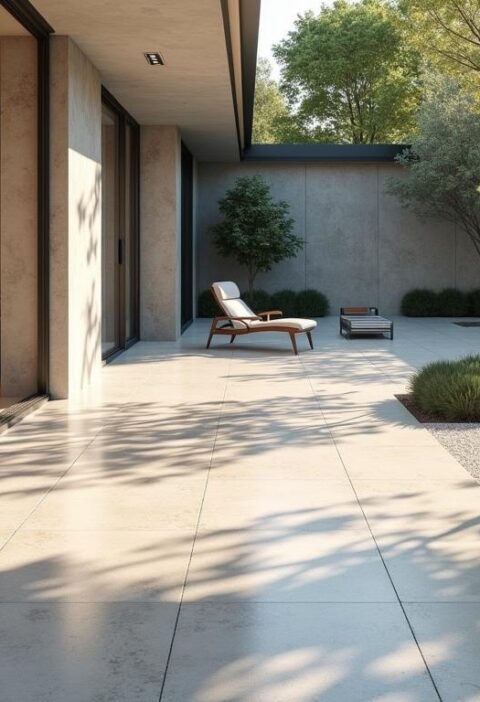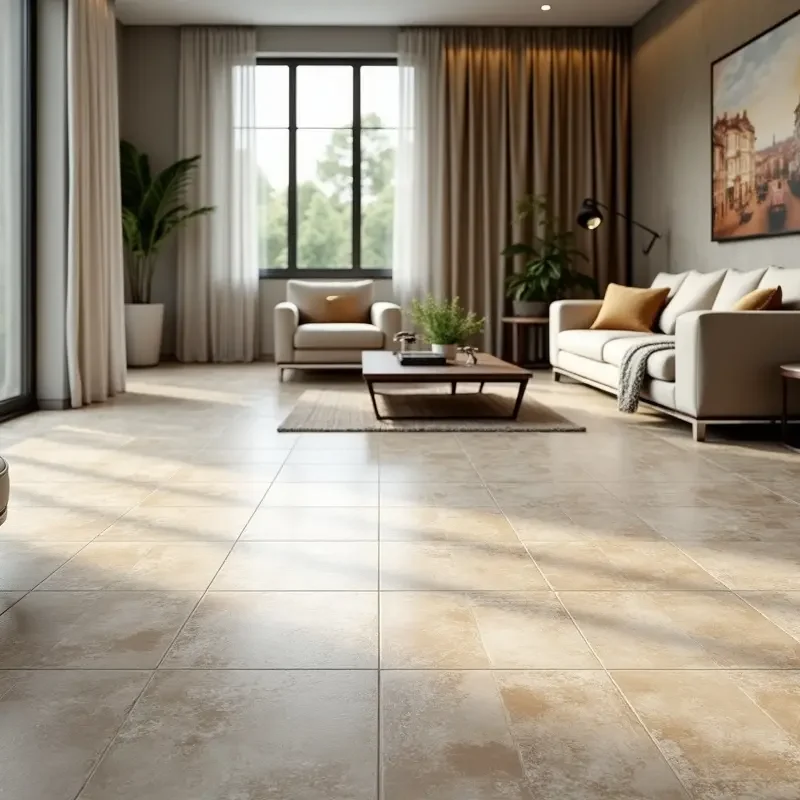
Selecting the perfect tile is an opportunity to transform your living space by combining practicality with beautiful design. Whether you are remodeling your bathroom, kitchen, or entryway, careful consideration is key to choosing tiles that fit your lifestyle and match your aesthetic preferences. For Tulsa homeowners seeking detailed, step-by-step advice, this ceramic tile buying guide for Tulsa homeowners offers essential insights for a stress-free tile selection process.
With so many materials, designs, and formats to choose from, understanding the defining features of each option lets you narrow down what works best for your specific needs. Finding the right tile is as much about functionality as it is about looks. This guide walks you through every consideration, from materials and size to grout and upkeep, ensuring you achieve a durable, visually appealing result that enhances your home.
The following sections break down the process step by step, presenting clear criteria for evaluation and practical tips to avoid common mistakes that can derail a tiling project. By following these guidelines, you can make your home improvement investment last longer and perform better.
Let’s explore the critical factors to choosing the right tile so you can turn your vision into reality without costly or disappointing outcomes.
Understanding Tile Materials
Tiles today are available in a variety of materials, each offering distinctive benefits. Here are the key tile types to consider:
- Ceramic: Affordable, adaptable, and available in endless styles, ceramic tiles are well-suited for walls and low-traffic zones. They are easy to install and maintain, making them popular for DIY projects.
- Porcelain: Exceptionally hard and dense, porcelain tiles offer superior moisture resistance and toughness. Consider porcelain for kitchens, bathrooms, and high-traffic floors that require long-lasting solutions.
- Natural Stone: Choose from marble, granite, slate, or travertine to bring timeless, organic beauty into your space. While visually stunning, natural stone requires regular sealing and extra care to maintain its pristine condition.
- Glass: Glass tiles create a sleek, contemporary look. Their reflective surface is excellent for backsplashes and accent strips, helping smaller rooms feel brighter and more open.
Understanding each material’s unique attributes will help you pick the right balance of beauty and practicality. For a deep dive into tile characteristics, visit the Homes & Gardens guide on tile types.
Considering Tile Size and Layout
Tile size and layout can dramatically impact a room’s feel. Large-format tiles (those greater than 12 x 24 inches) are increasingly popular for creating seamless, airy environments because they minimize grout lines and broaden the perception of space. The fewer joints, the more manageable cleaning becomes.
On the other hand, small mosaic or penny tiles allow for creative patterns and are better suited for compact areas or surfaces requiring additional grip, such as bathroom floors or shower surrounds.
Intentional design choices, like running tile planks horizontally to widen a narrow room or stacking subway tiles vertically to make ceilings feel higher, can subtly alter room proportions. Consider creating visual interest with patterned layouts, such as herringbone or chevron.
Evaluating Tile Finishes and Textures
The right finish or texture is essential to both safety and style. Glossy tiles reflect natural and artificial light, adding vibrancy to spaces like kitchens and powder rooms. However, they can become slippery when wet, so reserve them for low-traffic areas of the wall.
- Matte Finish: Non-reflective finishes conceal smudges and are less slippery, making them ideal for entryways and bathrooms.
- Textured Tiles: These add depth and tactile interest, often enhancing slip resistance, which is critical for wet areas like showers or pool surrounds.
Careful finish selection will ensure the area is both safe to use and in line with the intended ambiance. Home design authority Homes & Gardens’ tile trend report is a great resource for inspiration on current finishes and textural styles.
Choosing the Right Grout
Grout holds tiles together and prevents water seepage, but it also significantly affects the overall look. Choose a grout color that complements or contrasts with your tiles to create different visual effects. Neutral grouts seamlessly blend in, while darker or colored grout can make a bold statement or hide stains better in high-traffic areas.
- Type: Use unsanded grout for joints less than 1/8-inch wide (such as glass or polished stone) and sanded grout for wider joints in heavy-duty installations.
- Epoxy Grout: This moisture-resistant option is perfect for kitchens, showers, and other wet zones where water penetration is a concern.
Selecting the right grout extends the life and beauty of your tile installation, and regular sealing is recommended where applicable.
Assessing Durability and Maintenance
Consider the wear and tear tiles will face in their intended location. In heavily trafficked areas, porcelain and high-density ceramic tiles are often durable choices. Moisture-prone spots like bathrooms and mudrooms benefit from tiles with low absorption rates for easier upkeep.
Natural stone tiles can last for decades with proper care, but they require sealing to prevent staining and water damage. Set a routine for cleaning and resealing as needed to keep all tiles looking their best. For more advice on tile maintenance and durability, check out Homes & Gardens’ flooring guide.
Staying Updated with Tile Trends
Tile designs and color palettes evolve every year, offering homeowners fresh inspiration for creative expression. In 2026, trends point to invigorating combinations like buttery yellows, pastel pinks, and textured, patterned surfaces that add warmth and dimension. Moroccan influences and colorful, earthy neutrals continue as enduring favorites that bridge classic and contemporary tastes.
By paying attention to popular motifs and colorways, you can choose tiles that are not only stylish today but also hold lasting appeal in the years ahead.
Common Mistakes to Avoid
One of the most common errors is ordering too few tiles. Always estimate your needs carefully and include an extra 10 percent for waste, cuts, or future repairs. Improper grout selection can also compromise the effectiveness and appearance of your installation, so consult with experts before making a final choice.
- Never overlook how maintenance requirements fit your lifestyle. If you prefer low effort, lean toward porcelain or ceramic over natural stone.
- If unsure about any phase of the process, professional installation guidance will help you sidestep costly or irreversible missteps.
Conclusion
Selecting the right tile means balancing style, durability, and upkeep to ensure your home renovation stands the test of time. With thoughtful material and finish choices, a suitable layout, and well-chosen grout, your new tiles can add lasting value and enjoyment to your living space. Always stay informed on the latest design trends, and do not hesitate to ask for expert advice when needed. A well-chosen tile does more than cover a surface; it transforms your home’s look and feel for years to come.