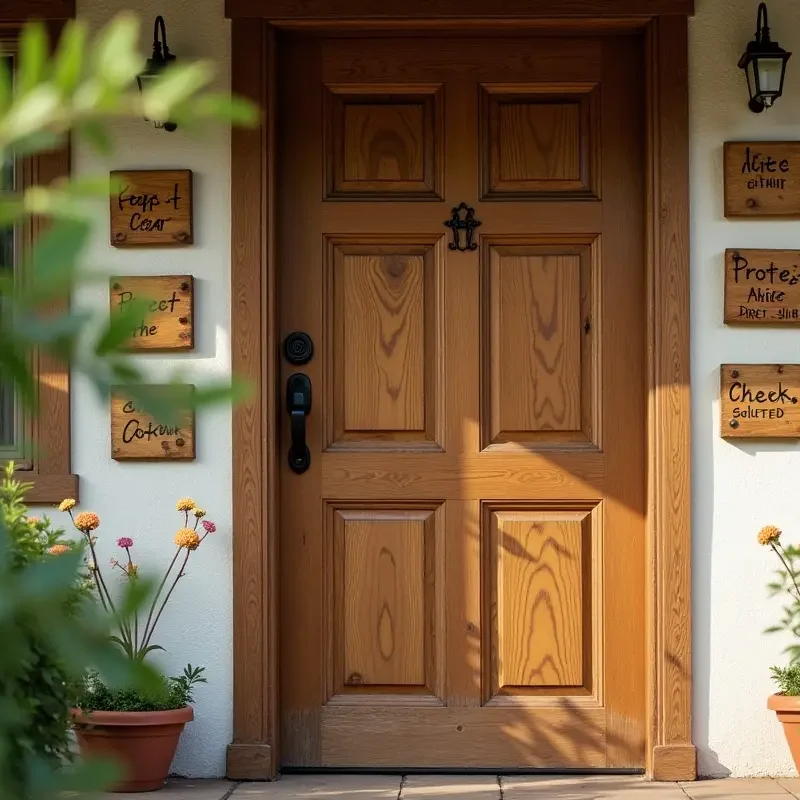
Wooden doors provide timeless beauty and a sense of warmth to any living space, but they do require ongoing care to stay beautiful and function properly. Regular maintenance ensures these doors remain structurally sound and visually appealing for the long haul. For those looking to dive deeper into proper cleaning methods, a guide on how to clean wood doors offers practical, step-by-step instructions perfect for everyday upkeep.
Understanding how to protect wood from environmental factors and recognizing when to repair can make all the difference between a long-lasting door and one that quickly deteriorates. Homeowners who invest in routine care for their wooden doors can avoid many common issues, such as warping, discoloration, and operational problems, often seen with neglected doors. Implementing straightforward preventive measures and adopting a regular maintenance schedule can add years to the lifespan of your doors without a significant additional investment.
Aside from visual and structural benefits, maintaining your wooden door helps preserve your home’s curb appeal and value. A well-maintained door also acts as a better barrier against the elements, providing insulation and added security. Proactive care keeps doors fitting snugly in their frames, eliminating drafts and reducing energy costs.
Routine maintenance not only extends the life of your wooden doors but also simplifies life in the long term. By proactively managing small problems, homeowners can avoid costly repairs and ensure their investment stands the test of time. For more information on the importance of regular home maintenance, consider resources from reputable publications such as This Old House.
Regular Cleaning
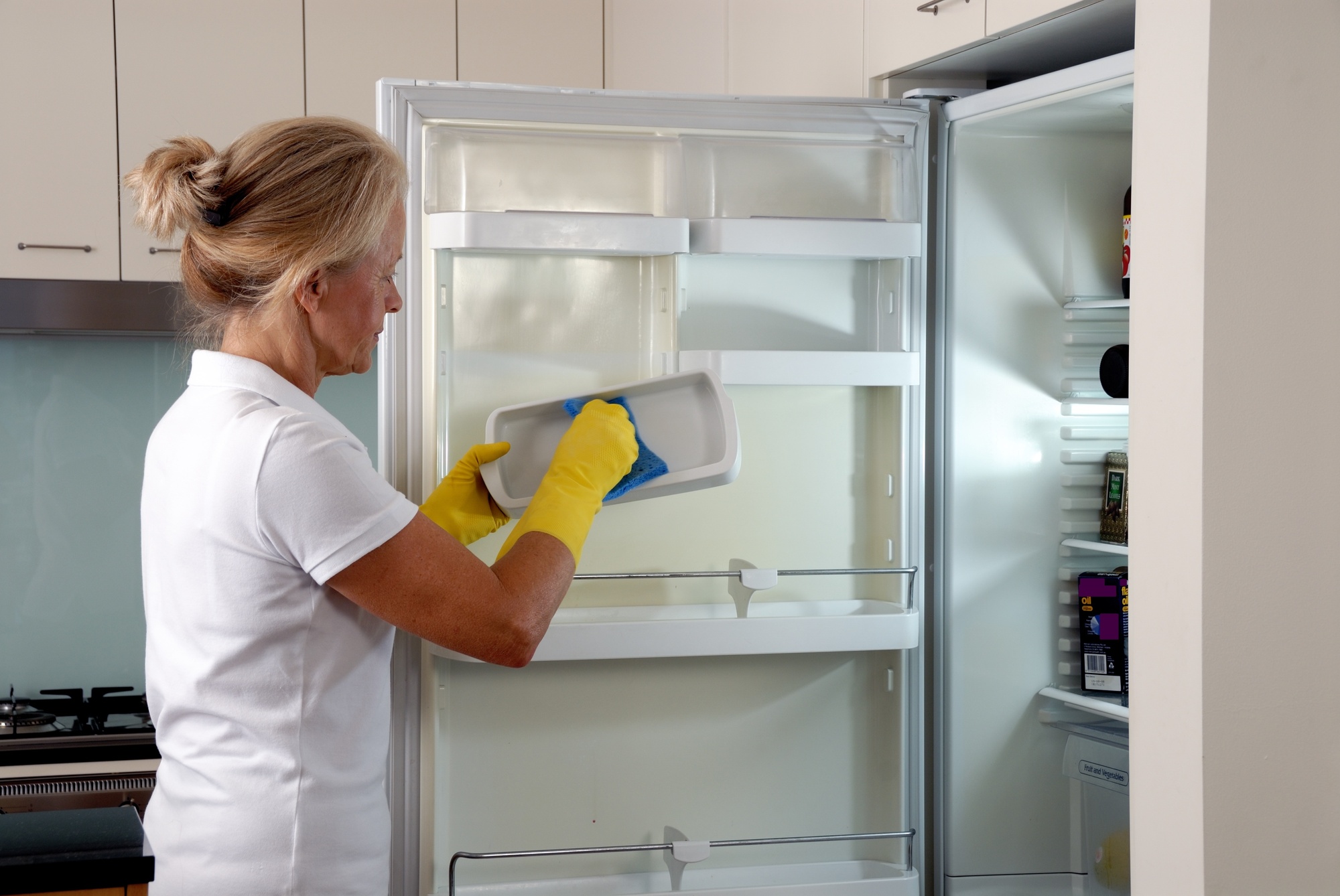
Dust and grime can cause a wooden door’s surface to lose its shine and even wear it down over time. It is best to dust doors once a week using a microfiber cloth or a soft duster. For a more thorough clean, dilute mild soap with water, lightly sponge the door, and avoid abrasive tools or harsh chemicals that can strip the finish. Once clean, always dry the door thoroughly to prevent moisture from soaking into the wood, which may lead to warping or swelling.
Maintaining a regular cleaning schedule not only keeps doors looking their best but also safeguards against temporary spills or stains becoming permanent eyesores.
Protecting Against Moisture
Moisture is the enemy of any wooden surface, especially exterior doors. Without adequate protection, wooden doors exposed to rain or humidity can start to swell, warp, or even rot. To prevent these problems, apply a weather-resistant sealant at least once a year as a barrier against water penetration. Make sure the door frame has effective weatherstripping to prevent water seepage, and consider installing an awning or overhang to reduce exposure to rain and snow further.
Keeping the area around the base of your door clear of leaves, dirt, and other debris also limits moisture exposure and channels water away from your home’s entry points. Proper moisture management is vital for extending the service life of your doors.
Shielding from Sunlight
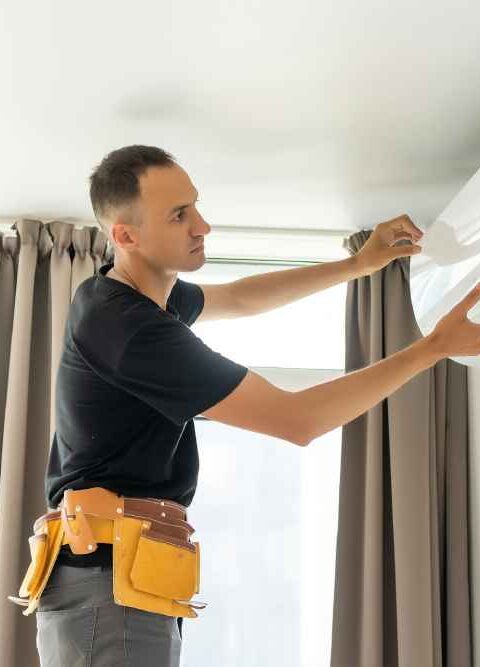
Consistent sun exposure can fade and deteriorate a wooden door’s finish, leading to cracking and color loss. To avoid these effects, consider treating your door with a UV-protective finish or an exterior-grade paint. Inside, using curtains or shades helps keep direct sunlight from hitting the doors during the brightest parts of the day.
For exterior doors, try to situate landscaping or architectural features such as porches or trellises so they cast some shade on the doorway, offering additional protection. More tips can be found in authoritative sources like Better Homes & Gardens.
Seasonal Inspections
At the start of each season, take a few minutes to inspect your doors carefully. Check for any signs of cracking, bubbling, or flaking paint along both surfaces and edges. Look for evidence of moisture intrusion, such as soft spots or discoloration, and ensure doors open and close smoothly within their frames. Inspect weatherstripping for deterioration and replace it if needed to ensure a proper seal.
Spotting small issues early, such as a loose hinge or a minor patch of peeling finish, makes repairs less costly and prevents more significant issues from arising later.
Hardware Maintenance
Hinges, locks, and handles are often overlooked in routine door maintenance, but are crucial for everyday operation and security. Each year, lubricate all moving parts with a non-corrosive lubricant to prevent squeaks and sticking. Tighten any loose screws and promptly replace components showing signs of rust or wear. Ensure locks are operating properly to keep your home secure, and do not wait until a failure occurs to address worn-out hardware.
Regular maintenance of hardware ensures the safety and user-friendly performance of your doors.
Refinishing When Necessary
Even with regular care, the finish on a wooden door will eventually lose its luster and protective properties. When this happens, remove the old finish by light sanding, taking care not to damage the wood underneath. Apply a fresh coat of paint or wood stain appropriate for exterior surfaces and then cover with a protective sealant. Refinishing breathes new life into tired doors and reinforces their defenses against the elements.
Preventing Pest Infestation
Termites and other wood-boring pests can severely compromise the integrity of wooden doors. Regularly inspect your doors for telltale signs such as tiny holes, powdery sawdust, or raised tunnels on the wood. Apply suitable pest repellent or chemical treatments as a preventative measure, especially if you live in areas prone to infestations. Always keep the ground near the door free of organic debris and mulch, which can attract pests.
These straightforward steps help keep your wooden doors strong and free from infestation for many years.
Conclusion
Caring for wooden doors may require some effort, but the benefits in appearance, function, and value are well worth it. By cleaning regularly, protecting against the elements, maintaining hardware, inspecting seasonally, refinishing when needed, and keeping pests at bay, you ensure your doors remain an asset to your home for years to come.