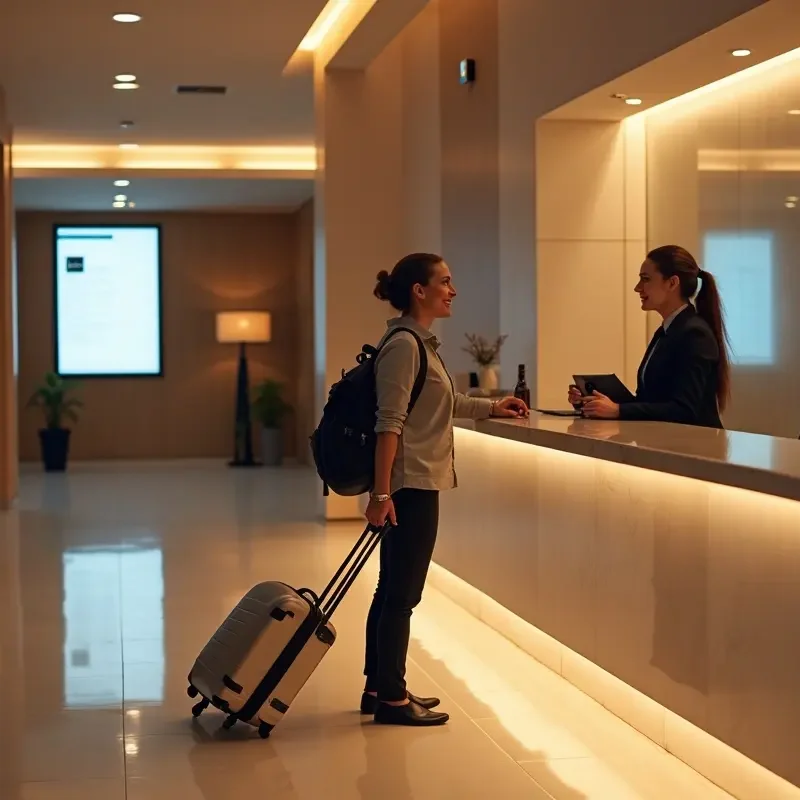
Navigating the evolving landscape of hotel revenue management has never been more crucial than in 2026. As technology and guest expectations advance, hoteliers are reimagining how they maximize profitability and guest satisfaction.
Harnessing a top-rated hotel revenue management system is key to driving efficiency and growth in this ultra-competitive market. Pioneering hotels now combine advanced analytics, seamless systems integration, and evolving guest trends to stay ahead of the curve.
These shifts mean success is no longer about intuition or basic metrics, but about leveraging comprehensive, real-time intelligence to shape pricing, distribution, and guest engagement for maximum impact. The result is a new era defined by adaptability, agility, and deep personalization, all aiming for stronger financial performance and exceptional guest experiences.
AI Integration in Revenue Management
Artificial Intelligence (AI) is no longer a luxury for revenue management; it has become the backbone of forecasting, price setting, and guest experience optimization. By automating the assimilation and analysis of massive datasets, AI systems enable hotel operators to proactively predict demand shifts, instantly adjust prices, and fine-tune strategies for maximum revenue and occupancy.
Studies published by The Wall Street Journal highlight AI’s role in streamlining operations and delivering incomparable forecasting accuracy, increasing competitiveness in all market conditions.
The reach of AI in hospitality is extending further in 2026. For example, hotels now deploy AI-powered chatbots and virtual assistants to handle frequently asked questions, upsell premium services, and nurture direct bookings.
Machine learning models continually refine recommendations for guest amenities, staffing, and service levels, helping optimize resources and elevate guest satisfaction. AI-driven sentiment analysis tools scan review platforms and social media in real time, identifying shifts in guest perceptions and helping managers address issues quickly before they escalate.
Data-Driven Decision Making
Access to robust, real-time data has revolutionized decision-making in hotel revenue management. Progressive hoteliers use a blend of historical performance, current market signals, competitive benchmarking, and guest behavior to adapt with agility.
Integrating all this intelligence offers a multidimensional view, allowing pricing teams to go beyond intuition and leverage facts to make more precise, timely decisions. As Forbes explains, embracing real-time analytics helps hotels optimize pricing and guest acquisition during volatile periods.
Moreover, in 2026, hotels are turning to predictive analytics that combine external factors, such as weather forecasts, flight data, and geopolitical developments, to create highly accurate demand forecasts and inventory management plans.
Data visualization dashboards empower staff at all levels to monitor key performance indicators (KPIs) and respond quickly to trends, eliminating silos and fostering a data-driven culture throughout the organization. With more granular data, marketing and sales teams can hyper-target campaigns, significantly boosting conversion rates and return on investment.
Personalized Guest Experiences
Personalization is the new battleground for guest loyalty. Hotels that invest in understanding preferences, booking history, and traveler motivations can curate highly relevant offers that transform one-time visitors into loyal advocates.
This includes customizing amenities, tailoring promotional messages, and dynamically adjusting room features to suit individual tastes. As a result, operational efficiency improves, upselling opportunities increase, and guest satisfaction soars, which can be a significant factor in overall revenue growth.
Advanced customer relationship management (CRM) systems are central to these efforts. These platforms leverage both quantitative data, like previous booking patterns, and qualitative signals, such as past guest feedback, to recommend personalized experiences at every step of the guest journey.
For example, returning guests might receive custom room-upgrade offers or surprise welcome amenities based on their noted preferences. These added touches, powered by seamless system connectivity, help forge emotional connections and drive repeat business.
Dynamic Pricing Models
Dynamic pricing has become extraordinarily sophisticated. Today’s revenue managers monitor booking pace, local event calendars, competitor actions, and even online sentiment to set room rates that truly reflect real-time market demand.
By using this model, hotels can both seize surging opportunities during high demand and fill inventory during off-peak periods. Dynamic pricing’s refined algorithms allow hotels to capture additional revenue and fine-tune profit margins in all scenarios.
Innovative dynamic pricing strategies are not limited to guest rooms alone. Forward-thinking properties are also applying variable pricing to ancillary revenue streams such as spa treatments, parking, and event spaces, making the most of every guest touchpoint.
This holistic approach to revenue management ensures hotels maximize yield across all aspects of their operations, not just room bookings, ultimately resulting in significant bottom-line improvements and a more resilient business model.
Unified Technology Platforms
The proliferation of standalone solutions in hotels created efficiency barriers. Now, unified Property Management Systems (PMS) merge revenue management, operations, and guest engagement in a single, easy-to-navigate platform.
Such integration offers benefits such as seamless data flow, greater accuracy, and improved cross-departmental coordination. According to industry research, over 89 percent of hotels using unified PMSs save between 2 and 10 hours per week on manual processes. Efficient systems are fast becoming the industry norm rather than the exception.
Beyond time savings, integrating disparate systems into a single platform also enhances data security and reduces the risk of errors from manual input. Customizable dashboards and automated workflows let management track performance KPIs, alert teams to variances, and implement corrective actions almost instantly.
These improvements nurture a culture of efficiency and empower teams to focus more on guest satisfaction and creative problem-solving rather than repetitive administrative tasks.
Mobile-First Approach
Modern hospitality is defined by mobility. From initial booking to in-room services, travelers increasingly expect mobile access at every stage of their stay. Mobile-first strategies provide guests with self-service check-ins, instant room selection, personalized recommendations, and real-time communication with staff. This focus not only speeds up processes and lowers operational costs, but it also empowers guests and elevates their overall satisfaction.
Hotels embracing mobile-first strategies are also seeing gains in operational flexibility. Staff can use mobile devices for housekeeping updates, inventory checks, and on-the-go guest requests, reducing response times and human errors.
Enhanced mobile payment options support seamless transactions at restaurants, spas, and gift shops, while robust mobile loyalty programs reward guests instantly and encourage direct bookings. The integration of mobile solutions is transforming every facet of hotel operations, creating a frictionless, future-ready guest experience.
Sustainability and Wellness Trends
Travelers are placing greater emphasis on sustainability and wellness when choosing accommodations. Hotels can attract new segments by implementing green operations, energy-saving technologies, locally sourced offerings, and wellness-focused amenities such as yoga classes and healthy meal plans.
These strategies attract environmentally conscious travelers and health-minded guests while reducing operational costs and strengthening brand differentiation.
Additionally, forward-thinking hotels are leveraging certifications such as LEED or Green Key to communicate their commitment to sustainability to discerning guests. Partnerships with community organizations for eco-friendly initiatives create richer local experiences, turning responsible travel into a compelling marketing differentiator.
Investments in wellness extend beyond gym facilities to touchpoints like in-room air purification, organic bath amenities, and digital detox packages, further broadening appeal and increasing guest satisfaction and length of stay.
Conclusion
The hotel industry’s rapid evolution demands adaptability and a willingness to innovate in revenue management. By embracing AI, holistic data analysis, hyper-personalization, dynamic pricing, unified technology, mobile-centric operations, and a focus on sustainability, hotels can achieve operational excellence and boost both revenue and guest loyalty for the years ahead.