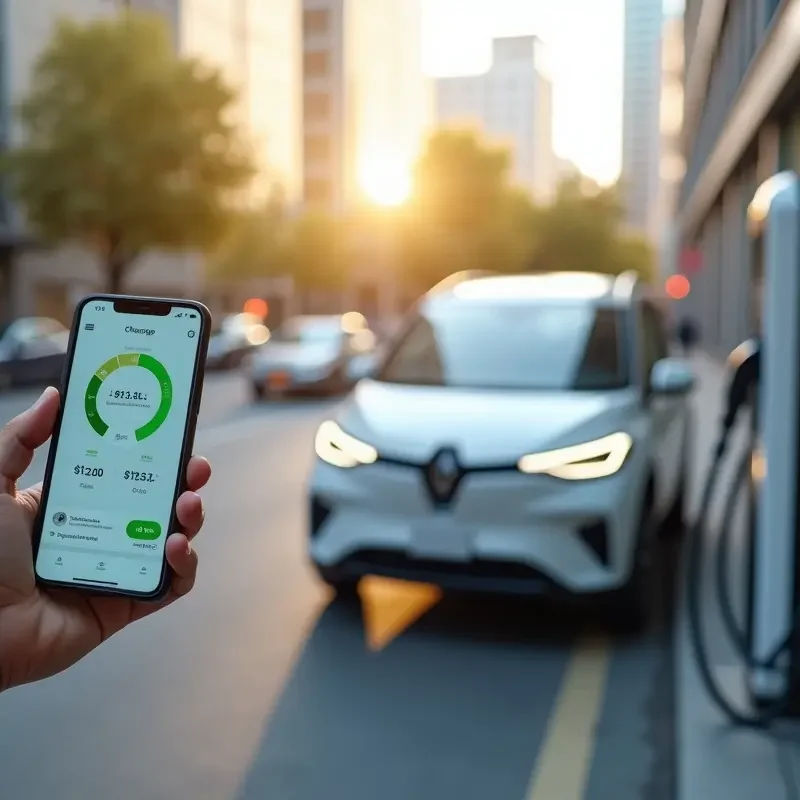
As electric vehicle (EV) adoption grows at a record pace, the demand for efficient, reliable, and accessible charging solutions is surging alongside it. Mobile applications are now at the forefront of this revolution, making it easier than ever for EV owners to locate charging stations, monitor charging progress, and manage costs all from the palm of their hand.
Solutions like the https://blinkcharging.com/products/blink-app offer a glimpse into how technology is drastically reshaping the user experience for current and prospective EV drivers.
These mobile apps address common challenges by aggregating real-time information and providing streamlined services that encourage more drivers to confidently transition to electric vehicles. With features catering to both convenience and sustainability, the role of mobile apps in everyday EV charging has become essential for both urban commuters and long-distance travelers.
Real-Time Charging Station Information
One of the primary benefits of EV charging mobile apps is access to real-time information about charging station locations, availability, and current pricing. Drivers can search vast networks for compatible stations, ensuring they never run out of power unexpectedly.
Apps like Chargeway and PlugShare display comprehensive maps with up-to-date data, including charger status and pricing per kilowatt-hour. This transparency empowers users to compare costs and select stations that fit their schedules and budgets.
By providing live updates, these applications help drivers avoid out-of-service stations or lengthy waits, making trips more predictable. Some apps even offer route planning tools that incorporate charging stops, generating travel plans based on battery range and destination.
Seamless Payment Integration
Historically, drivers faced fragmented payment systems that required separate accounts for different charging networks. Modern mobile apps have removed this friction through integrated payment solutions that support a variety of payment methods, including major credit cards and mobile wallets. Users initiate, monitor, and complete their charging sessions all within the app, eliminating the need for physical payment cards or network-specific RFID tags.
Services like PlugShare now allow users to pay directly after finding a suitable charging point, simplifying the entire experience. The combined visibility into both station information and payment reduces the anxiety that can come from searching for compatible, operational options when time is tight or unfamiliar territory looms.
Personalized User Experience
Personalization is driving engagement in today’s mobile EV charging landscape. Many apps tailor their recommendations and notifications based on a user’s favorite stations, vehicle type, and charging preferences.
For example, the EVgo app enables users to “add a vehicle to your garage” by scanning the Vehicle Identification Number (VIN), creating a seamless filter to show only compatible chargers and efficient energy sources. Notifications alert users to station availability changes or when charging is completed, supporting daily routines and longer road trips.
The ability to set charging goals, save common routes, and receive eco-friendly tips further enhances the user journey. These features not only improve convenience but also foster loyalty and satisfaction, turning one-time users into regular advocates of both the platform and EV technology in general.
Enhanced User Engagement Through Notifications
Well-crafted notifications keep users informed and engaged, reducing range anxiety and maximizing app value. For instance, timely alerts about charger status or maintenance downtime help drivers minimize disruptions.
However, balance is important as over-notifying can lead to disengagement. According to a report from Statista, EV drivers who receive relevant updates in the first three months are over 30 percent more likely to remain engaged.
Among the most valued notifications are those related to charging session progress, real-time recommendations for less-congested stations, and updates on charging costs or policy changes by network operators. Strategic and thoughtful alerts empower users to plan ahead with confidence.
Integration with Renewable Energy Sources
With sustainability a growing priority, more apps are highlighting stations powered by renewables such as solar or wind. This allows eco-conscious drivers to select locations that align with their environmental values.
Some platforms are beginning to incorporate “green filters” that display only those stations sourcing energy from certified renewable providers. Looking ahead, advanced integrations may let drivers directly support or invest in clean energy projects simply by choosing compatible charging points.
Broader adoption of these features could help not just consumers but also utility providers and municipalities meet shared climate action goals, further amplifying the positive impact of each charging session.
Future Trends in EV Charging Apps
The rapid pace of technological innovation is bringing new features to EV charging apps, from artificial intelligence (AI)-driven smart charging schedules that adapt to grid demands, to secure blockchain-enabled payments and real-time bidirectional charging (vehicle-to-grid) capabilities.
As these advancements take shape, the apps of tomorrow are expected to offer even deeper integration with home energy management systems, public transportation data, and personalized recommendations.
Users can anticipate proactive tools that optimize charging for cost savings or environmental impact, creating seamless digital ecosystems around mobility and energy use.
Conclusion
Mobile applications have become critical facilitators of the electric vehicle charging journey. By providing transparency, convenience, personalization, and sustainability-focused features, these apps are lowering barriers to EV adoption and enhancing daily life for drivers.
As technology continues to advance, mobile platforms will play an ever-greater role in supporting the electric mobility revolution, making eco-friendly transportation more accessible and appealing for individuals, businesses, and communities alike.