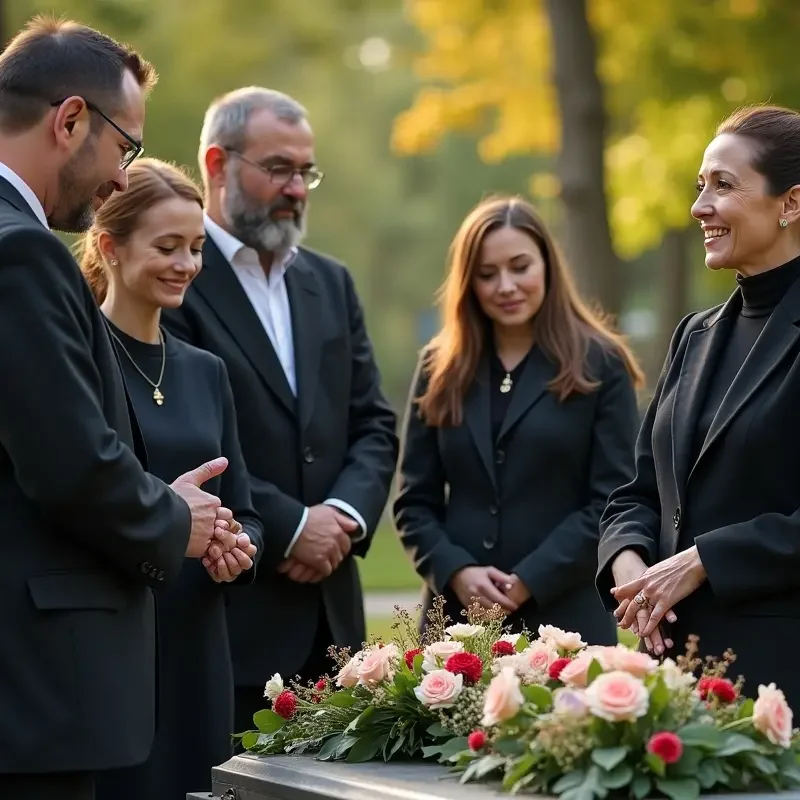
Throughout history, funeral services have helped communities honor the deceased while reflecting their cultural traditions, beliefs, and values. These ceremonies provide an opportunity for family and friends to remember a loved one, express grief, and find support during a difficult time. They also ensure the respectful and dignified care of the deceased while acknowledging the natural cycle of life and loss.
From the elaborate ancient Egyptian embalming and the solemn Viking ship burials to Today’s memorials, funeral services have continually reflected civilizations’ values and technological advancements. They bestow honor upon the departed while offering solace and closure to the living.
Core Components of a Funeral Service
Experienced funeral home directors will notify you about services included in a funeral service. Since the architecture of a funeral service might be universal in its intent to honor the deceased, it is the individual components and their execution that make each service unique. The introductory viewing or visitation is the community’s opportunity to gather and reflect on the person’s life and impact.
The subsequent funeral ceremony, often held in a house of worship or funeral home, includes eulogies, readings, prayers, or spiritual customs that celebrate the individuality of the departed’s journey. Lastly, the committal service marks the final goodbye. This solemn act often occurs at the graveside or in a crematorium, where final words are spoken, and the body is respectfully laid to rest or cremated.
The Importance of Rituals in Grieving
During mourning, rituals serve as stabilizing touchstones that facilitate the expression of grief and honoring the deceased. These rituals can range from religious to secular, but all play an intrinsic role in healing – they offer structure in the chaos of loss and create space for shared mourning and comfort. Grief rituals extend across the spectrum of humanity, underscoring the universality of loss and the need for a collective response to it.
An article from Psychology Today discusses how engaging in rituals after a loss can manifest a sense of control and mitigate the intense feelings of grief. Through these actions, the bereaved find solace and the capacity to gradually adjust to life without the physical presence of their loved one.
Planning a Funeral Service: A Step-by-Step Guide
Planning a funeral service is a daunting task, especially when grappling with the immediate aftermath of a loved one’s death. Initially, one must focus on pressing practicalities such as arranging for the body’s safekeeping and determining the deceased’s wishes for their funeral, which might have been pre-stated in a will or other instructional document. Once these steps are taken, one can focus on looking for professionals who can provide both compassionate support and a suitable facility for the ceremony. For example, families finding a funeral home in reading pa or similar local communities, can look for providers that can offer complete packages to reduce the burden during a time of grief. After these details are set, the following steps involve:
- Engaging a funeral director.
- Deciding on the type of service.
- Selecting a venue.
- Choosing meaningful elements to include in the service, such as music, readings, and eulogies that reflect the loved one’s essence.
Celebrating a Life: Personal Touches in Funeral Services
A funeral service provides the opportunity to commemorate a person’s unique story – their passions, accomplishments, and the joy they brought into the lives of others. Personal touches, such as a favorite song, a display of personal artifacts or even a customised headstone from a reputable company like Tegeler Monument – adorned with nods to their personality or interests, can help attendees to remember and celebrate the individual’s life.
Such personalization not only honors the deceased in a way that is true to their spirit but also provides attendees with a deeper, more meaningful connection to the service and the memories they hold dear.
Financial Aspects of Funeral Services
The cost of funeral services is a considerable concern for many families, and prices can range significantly based on the choices made in each planning stage. From basic service charges to purchasing a casket, flowers, and a burial plot or cremation, expenses can accumulate quickly.
It is imperative for those planning a funeral to understand all potential costs and to explore their payment options, which might include insurance policies, pre-planned funeral arrangements, or government assistance for those who qualify.
Legal Considerations Surrounding Funeral Services
Legal requirements play an important role in funeral planning. Family members or designated representatives must obtain death certificates, carry out the instructions outlined in the deceased’s will, and manage the distribution of assets according to applicable laws. They must also follow state and local regulations governing body handling, burial, and cremation. By understanding these requirements or consulting legal professionals, families can ensure compliance and avoid unnecessary complications during the planning process.
Aftercare and Bereavement Support
After the funeral service, the bereavement process continues, often intensifying as the immediacy of planning and rituals gives way to the reality of loss. Aftercare services, such as bereavement counseling, grief support groups, and resources provided by religious or community organizations, can be critical sources of support during this time. These resources offer a compassionate outlet for mourners and a medium through which they can share experiences and navigate their grief in a supportive environment.