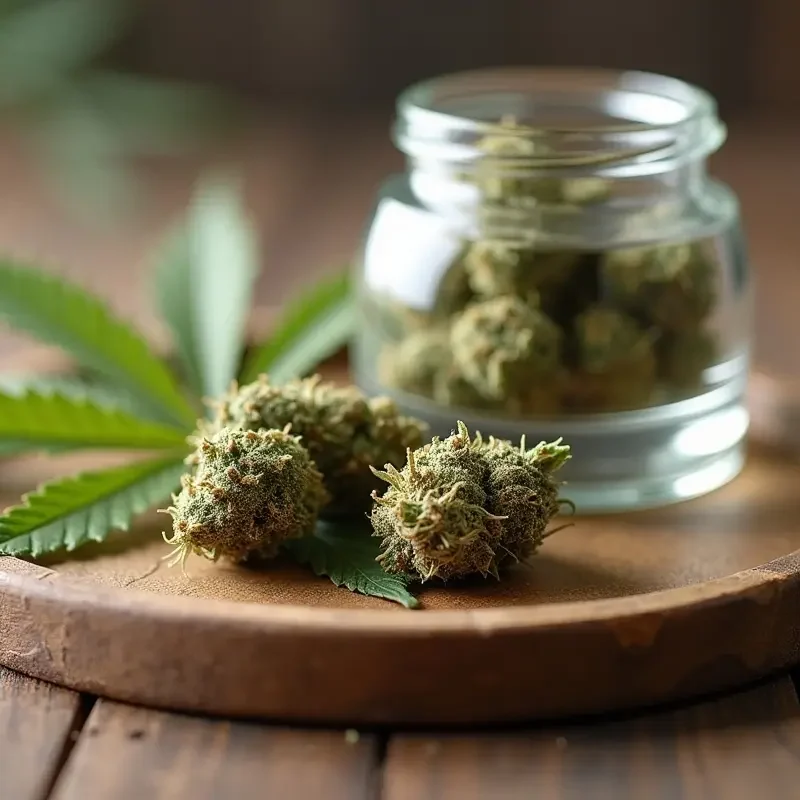
THCA flower has been gaining attention for its potential health benefits and unique properties. As the popularity of cannabis products grows, understanding what THCA is and how it differs from THC is essential for consumers who want to make informed decisions. More THCA Flower here if you are interested in exploring available options or want to learn more about where to purchase THCA flower online.
The growing interest in THCA is largely due to its promising benefits that do not produce the high commonly associated with cannabis. For individuals seeking relief from certain health conditions or looking for non-psychoactive alternatives, learning about THCA is valuable and timely.
What Is THCA?
THCA, or tetrahydrocannabinolic acid, is one of the many cannabinoids present in raw and living cannabis plants. Unlike THC, the compound most famous for its psychoactive effects, THCA is non-psychoactive. This means that if you consume THCA in its raw form, it will not induce a high or altered state.
However, when cannabis is exposed to heat during smoking, vaping, or cooking, a process known as decarboxylation, THCA transforms into THC. This psychoactive element creates the classic effects associated with cannabis use.
The conversion from THCA to THC is a crucial detail for users, as it influences both the effects and legal classification of the product. This distinction is especially pertinent for medical patients or wellness-focused consumers who want the therapeutic potential of cannabis without any psychoactive effects.
Potential Health Benefits of THCA
While research is still evolving, early studies signal that THCA may offer several noteworthy health benefits:
- Anti-Inflammatory Properties: Preliminary evidence suggests that THCA can help reduce inflammation, making it a promising candidate for people experiencing inflammatory conditions like arthritis or lupus.
- Neuroprotective Effects: Research on THCA points to the potential for protecting nerve cells, which could have implications for diseases such as Alzheimer’s and Parkinson’s. According to a review by the National Institutes of Health, cannabinoids like THCA warrant further investigation for their neuroprotective abilities.
- Anti-Nausea and Appetite Stimulation: THCA may ease nausea and help stimulate appetite, which researchers believe could be beneficial for individuals undergoing chemotherapy or suffering from severe digestive issues.
Most of these findings are still being validated in preclinical settings, mainly animal studies, so more robust human trials are needed to confirm the full scope of benefits and potential uses.
Consumption Methods
Consumers have a few options for taking THCA. The method of consumption greatly affects whether the cannabinoid remains in its original, non-psychoactive form:
- Raw Consumption: Eating or juicing raw cannabis allows consumers to ingest THCA directly. This method ensures you receive the non-psychoactive benefits, and is growing in popularity as people add cannabis leaves or buds to smoothies, salads, or juices.
- Heating Methods: If you prefer the psychoactive effects of THC, exposing THCA flower to heat by smoking, vaping, or cooking will activate the THC. This method is common among recreational users or those treating conditions that respond better to THC.
Legal Considerations
The legal landscape surrounding THCA is complex and rapidly evolving, creating uncertainty for both consumers and businesses. In the United States, the 2018 Farm Bill legalized hemp-derived products containing less than 0.3% delta-9 THC by dry weight.
However, this federal definition does not always align with state regulations. Some states have implemented stricter rules, including limits on total THC content, which accounts for THCA that can convert into THC when exposed to heat. This distinction can significantly impact whether certain THCA products are considered legal.
Additionally, regulatory bodies such as the U.S. Drug Enforcement Administration, along with state lawmakers, continue to evaluate and propose amendments that may further clarify or restrict THCA sales and distribution. Because laws can change quickly and vary by location, consumers need to stay informed and verify current state and local regulations before purchasing, possessing, or using THCA flower.
Potential Risks and Side Effects
Most people tolerate THCA well, but there are some important considerations and potential risks:
- Conversion to THC: Any exposure to heat can cause THCA to turn into THC, which may trigger psychoactive effects unwanted by some users, including anxiety or paranoia.
- Legal Risks: Because the legality of THCA hinges on its potential conversion to THC, there might be legal consequences depending on your location. Even if you purchase a legal hemp-derived product, local police or agencies might classify it differently.
- Product Contamination: As with any minimally regulated supplement, it is crucial to purchase THCA flower from reputable retailers. Look for companies that provide third-party lab results verifying potency and checking for contaminants such as pesticides, heavy metals, or microbes.
Conclusion
THCA flower represents an intriguing option for those seeking the healing potential of cannabis without immediate psychoactive effects. Choosers of raw consumption can benefit from THCA’s properties, such as anti-inflammatory and neuroprotective effects, while avoiding the high associated with THC.
However, consumers should stay up-to-date on evolving cannabis laws and carefully scrutinize product sources for safety and quality. As scientific research grows and regulations shift, THCA’s place in wellness and medicine will become even clearer.