Managing anxiety is a journey many adults face, but real relief is possible with practical self-care strategies. Integrating these practices into daily life not only eases anxious feelings but also strengthens your overall well-being. By making simple changes, those struggling with anxiety can take meaningful steps towards greater calm and resilience. If symptoms persist, anxiety treatment for adults is a helpful resource for targeted support and more profound healing.
Understanding and putting self-care routines in place offers the power to reduce anxiety before it escalates. Choices such as mindful breathing, physical movement, connection, and creative activities are proven pathways for both prevention and relief. Consistency in these habits brings ongoing benefits and supports a more balanced outlook.
Working with a local therapist and mental health counselor can further enhance these practices, providing personalized guidance, accountability, and strategies tailored to your unique situation. Professional support can help identify patterns, offer coping tools, and reinforce the self-care routines that work best for you.
Developing a toolkit of self-care strategies prepares you to handle both everyday stressors and more challenging moments. While the impact of each strategy may differ from person to person, the key is to find those that resonate with your needs and values for lasting results.
Deep Breathing Exercises
Deep breathing is a foundational self-care approach that swiftly calms frazzled nerves. One popular method, box breathing, uses a simple pattern: inhale for four counts, hold for four, exhale for four, then hold for four again.
Programs like Renew Hope and Healing emphasize incorporating these mindful breathing techniques into daily routines, helping individuals manage stress and restore emotional balance. Practicing this rhythmic technique, even for a few minutes, can trigger the body’s relaxation response and quiet the mind.
Regular Physical Activity
Movement is medicine for both the body and the mind. Whether you enjoy brisk walks, cycling, or yoga, regular exercise promotes the release of endorphins—chemicals that enhance mood and counteract anxiety. Physical activity also reduces levels of the body’s stress hormones and improves sleep, which further helps manage anxiety.
Mindfulness and Meditation
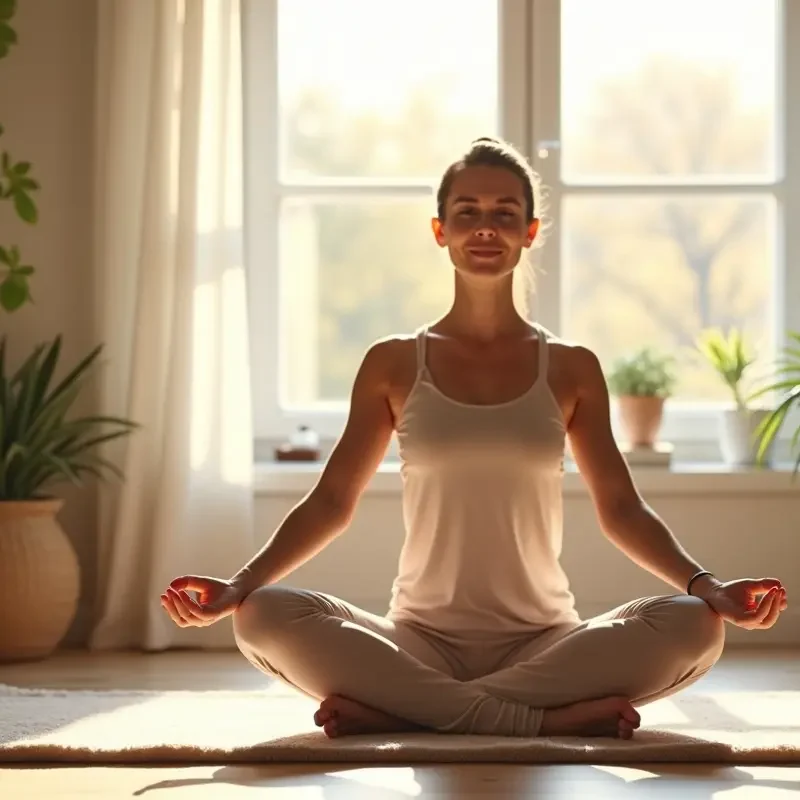
Mindfulness and meditation center your attention in the present, fostering acceptance of whatever thoughts or feelings arise. Techniques may include guided meditations, focused breathing, or gentle movement such as tai chi or mindful walking. Extensive research, including findings shared by WebMD, supports meditation and mindfulness for reducing symptoms of anxiety, improving self-awareness, and nurturing a sense of calm.
Balanced Diet
Food plays a subtle but vital role in our mental state. A balanced diet full of fruits, vegetables, lean proteins, and whole grains nourishes the brain and helps stabilize mood. High intakes of caffeine and sugar, on the other hand, can worsen anxiety and disturb sleep. Hydration and adequate vitamins—particularly B vitamins, magnesium, and omega-3 fatty acids—benefit emotional regulation and cognitive function.
Consistent Sleep Patterns
Quality sleep repairs the body and regulates emotion. Establish a routine with a consistent bedtime and wake time, and prioritize habits like turning off screens an hour before bed, keeping your room cool and dark, and engaging in restful pre-sleep activities. Most adults benefit from seven to nine hours of uninterrupted sleep as a foundation for managing stress and anxiety.
Engaging in Creative Activities
Expressive activities such as painting, journaling, playing an instrument, or crafting can become safe spaces for processing emotions and escaping daily pressures. Creative pursuits draw your focus away from anxious thoughts and generate feelings of accomplishment. Research from Psychology Today emphasizes the therapeutic effect of creativity on stress reduction.
Building Strong Social Connections
Loneliness can heighten anxiety, while genuine social support is a buffer against it. Maintain contact with friends, family, or community groups, and don’t hesitate to seek out new connections through hobbies or volunteering. Sharing your experiences with others who empathize can provide emotional relief, new perspectives, and encouragement to practice self-care.
Effective Time Management
Many anxious feelings stem from overwhelm. Good time management—setting priorities, breaking large tasks into manageable steps, and scheduling downtime—restores a sense of control. Tools like planners, reminders, and simple to-do lists keep daily demands from piling up and give you space to invest in your well-being.
Conclusion
Consistent self-care transforms how you respond to stress, helping reduce anxiety and increase resilience over time. Choose practices that work for you, and remember: profound improvements are possible by honoring your body’s needs, nurturing your mind, and leaning on support when needed.
In places like Rochester, New York, local wellness resources from community support groups to mindfulness centers can provide additional guidance and connection. If anxiety remains overwhelming despite ongoing self-care, reaching out to a professional can be a valuable next step towards healing and hope.