Understanding how to prove intoxication in a DUI accident claim is an important step for anyone involved in a traffic incident where alcohol may be a factor. Evidence plays a key role in determining whether a driver was under the influence at the time of the accident. Law enforcement officers often rely on a combination of field sobriety tests, breathalyzer results, and blood tests to assess impairment.
Witness statements, traffic camera footage, and the crash’s circumstances can also provide supporting evidence. Knowing what types of evidence are typically used can help individuals better understand the process and what may be required to support a claim.
When proving intoxication is complicated, consulting a legal professional can help clarify the options. A drunk driver accident lawyer can guide parties through the steps of gathering and presenting evidence, ensuring that all relevant information is considered. While the goal is not to provide legal advice, understanding the types of proof commonly used in DUI accident claims can make the process clearer and help individuals respond appropriately when alcohol may have contributed to a collision.
Proving Intoxication: The Foundation for Your DUI Accident Claim
In most states, simply being involved in an accident with a driver who later tests positive for alcohol or drugs is not enough to automatically guarantee a successful injury claim. Plaintiffs must prove by a preponderance of the evidence that the at-fault driver was intoxicated at the time of the accident and that this intoxication directly caused the collision and resulting harm. Failing to meet this burden can result in a reduced settlement or outright dismissal of the claim.
Types of Evidence Used to Prove Intoxication
Proving intoxication typically starts at the scene of the accident and extends through police investigations and court proceedings. Evidence can include:
- Police Reports: Law enforcement officers responding to the crash may describe observations such as slurred speech, bloodshot eyes, or the odor of alcohol. Their narrative carries significant weight in both civil and criminal proceedings.
- Field Sobriety Test Results: Officers may conduct tests at the scene (for example, walking in a straight line or standing on one leg), which can indicate impairment.
- Eyewitness Testimony: Passengers, bystanders, or other drivers can offer crucial accounts of erratic driving, impaired behavior, or alcohol consumption prior to the accident.
- Surveillance Footage: Video captured by traffic cameras, business security systems, or dash cams can provide irrefutable evidence of impairment or relevant behavior before the crash.
- Social Media Posts: Sometimes, drivers share posts or images online that suggest recent drinking or drug use prior to the accident.
Scientific Methods for Establishing Impairment
Blood Alcohol Concentration (BAC) tests and drug screening play a central role in proving intoxication. Police may conduct breathalyzer tests or obtain blood/urine samples. If test results show a BAC at or above the legal limit (usually 0.08 percent for adult drivers), this constitutes strong evidence of legal intoxication. In some states, refusing these tests can result in immediate license suspension and may still be used against the driver in civil litigation.
Laboratory analysis of these samples provides scientific validation that can be more persuasive than witness testimony or field observations alone. Medical records from post-accident hospital visits can also corroborate impairment, especially in cases where drugs may have been involved or where health conditions could potentially mimic signs of intoxication.
How Victims and Attorneys Gather and Preserve Evidence
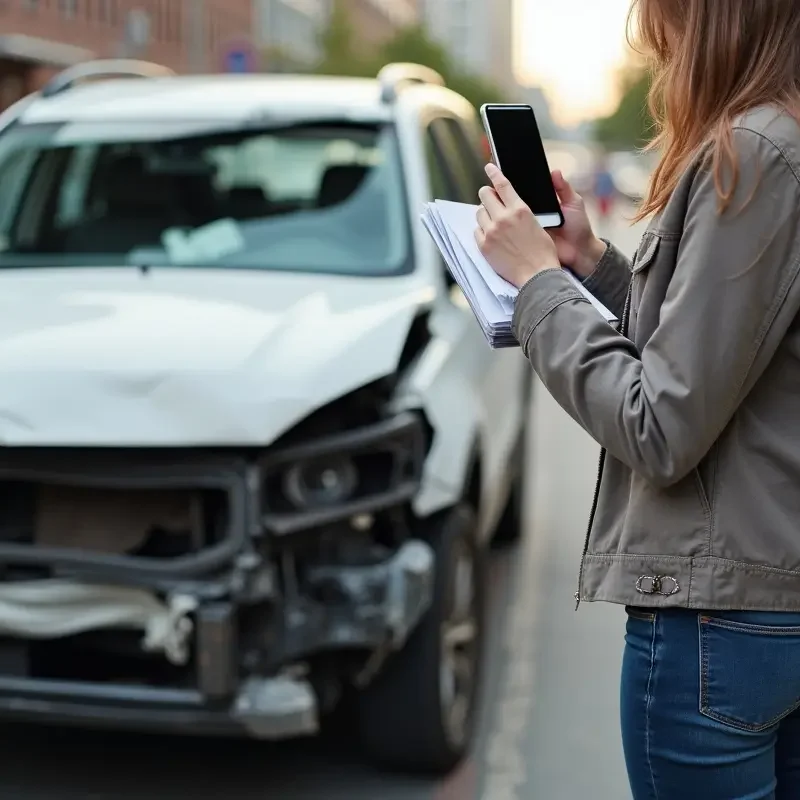
Effective DUI accident claims rely on prompt action to secure all necessary evidence. Victims should take photographs of the scene, vehicle damage, and injuries. They should also obtain contact information for any witnesses and request copies of the police report as soon as it is available. Attorneys may issue subpoenas for video footage, social media posts, or toxicology results if initial investigations are incomplete or contested.
Timely preservation prevents evidence from being lost or degraded, which is a common tactic used by defense teams to challenge liability. Legal professionals also guide victims on complying with procedural rules and deadlines for introducing evidence in court, ensuring that the case is as strong as possible at trial or during settlement negotiations.
Why Proper Proof of Intoxication Is Critical in DUI Claims
In civil claims, establishing intoxication goes beyond assigning blame. It directly impacts the damages a victim may recover and can sometimes result in punitive damages meant to punish particularly reckless conduct. Insurance companies defending DUI drivers may argue that other factors caused the crash or that plaintiff injuries were not related to impairment, making solid evidence essential for overcoming such defenses.
Juries and judges view DUI accidents very seriously, but they require clear, credible proof to justify higher compensation. Proper documentation, scientific test results, and thorough investigation reduce the risk of a reduced or denied claim and increase the likelihood of a meaningful recovery for victims and their families. For more information on how courts evaluate evidence, see this explainer from FindLaw. Ensuring all evidence of intoxication is properly collected and preserved can be the key factor in achieving a successful outcome in a DUI claim.
Conclusion
Proving intoxication after a DUI accident requires a coordinated legal effort and careful attention to detail. The most successful victims act quickly, retain capable legal representation, and harness multiple sources of evidence to build an undeniable case. Mastery of both legal requirements and investigative techniques is necessary to hold drunk drivers fully accountable and to provide accident victims with the justice and compensation they deserve.