Today’s senior living communities are undergoing a remarkable transformation. Instead of simply providing care, they are creating vibrant environments where older adults can thrive with purpose, community, and dignity.
From intelligently designed spaces to innovative amenities, these communities offer an unparalleled lifestyle for older adults. In places like Quail Park Shannon Ranch in Visalia, residents experience a blend of independence and connection that addresses their evolving needs.
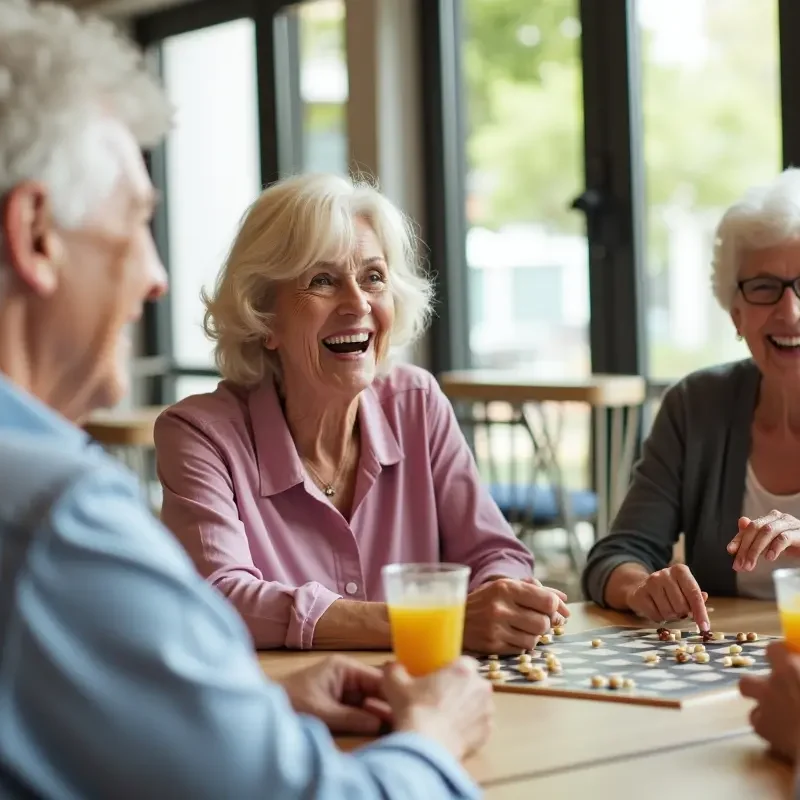
Modern senior living communities emphasize autonomy, wellness, and social interaction, fostering a sense of belonging, passions, and friendships. This approach reshapes perceptions of aging and reassures families and caregivers. Successful aging now involves mental, emotional, and physical well-being, leading to better health and happiness, and greater satisfaction. These models feature neighborhood partnerships, curated programs, and data-driven wellness tools.
Embracing Independence Through Technology
Technological innovation is central to empowering older adults within senior living. Voice-controlled smart home systems, medical alert pendants, and remote monitoring software now allow residents to manage their homes, health, and communication as never before. With fairly simple interfaces, these tools encourage seniors to stay engaged and self-sufficient, even as their needs change.
Communities routinely use systems such as fall detection sensors and medication reminders. Staff have access to up-to-date resident information that can help guide care or respond quickly to emergencies. As a result, both residents and their loved ones gain new confidence in daily life. Additionally, technologies that support social connection, such as virtual reality or video chat, help reduce isolation by providing easy access to family, clubs, and events.
Wellness as a Lifestyle
Modern senior living communities design programming around a foundation of wellness. A typical community calendar may include group fitness classes, Tai Chi, yoga, walking clubs, meditation, and more. Nutrition counseling and chef-prepared meals are often standard, helping residents maintain balanced diets and healthy routines.
Emotional wellness is equally important. Many communities offer personal enrichment courses, mindfulness seminars, and art therapy sessions. There is increasing emphasis on mental health support, recognizing that strong cognitive and emotional foundations are essential for vibrant aging.
Intergenerational Connections
Intentional programs create bridges between older adults and younger generations. Some senior living locations share campuses with childcare centers or after-school programs, giving residents opportunities to mentor, teach, or participate in intergenerational storytelling.
Volunteering and partnership projects with local schools or universities introduce new skills and perspectives to everyone involved. This cross-generational engagement can reduce feelings of loneliness, boost mood, and foster valuable connections that enhance well-being for people of all ages.
Affordable Luxury in Senior Living
The demand for high-quality yet affordable senior living is growing rapidly. Developers are responding by creating communities that deliver resort-style amenities, dining rooms, entertainment, swimming pools, and fitness centers at more affordable prices. Modular construction methods and streamlined operations reduce costs, making these upscale features available to middle-market seniors as well as those with greater financial resources.
Personalized Care and Predictive Health
Individualized care planning is at the heart of modern senior living. Wearables, health-tracking tools, and electronic health record integration enable care teams to monitor vital signs in real time. Predictive analytics can flag potential health issues before they become emergencies, leading to early interventions and improved outcomes. Personalized care also considers preferences, routines, and histories, allowing residents to control their day-to-day experiences while receiving necessary medical oversight.
Purpose-Driven Programming
Residents of today’s senior living communities participate in leadership roles, help run clubs, or organize events based on their unique interests. Communities commonly collaborate with local museums, theaters, or non-profit groups to provide volunteer opportunities, lifelong learning, and creative outlets. This approach ensures that older adults remain engaged, challenged, and fulfilled through every stage of their later years.
Aging in Place with Support
For seniors who wish to remain in their own homes, hybrid support models are gaining traction. Services such as on-demand transportation, food delivery, housekeeping, and telemedicine are coordinated through senior living providers. These resources ensure that older adults can stay connected, active, and safe while enjoying the familiarity and comfort of home. Furthermore, home modification consultations and wellness checks offer families additional reassurance as their loved ones age in place.
Preparing for the Future
The future of senior living will be shaped by flexibility, personalization, and community integration. As society’s understanding of aging evolves, so will our expectations for housing and services for seniors. Continual innovation, whether through advanced technology, holistic health initiatives, or new social models, will ensure that older adults remain valued, independent, and connected members of their communities.
For more information about trends and planning for senior care, visit resources such as the New York Times, which offers in-depth reporting on modern solutions and future directions in senior living.
As time passes, specialized staff training, peer support programs, and even pet therapy are being added to the spectrum of services available. These features not only improve quality of life but can help ease transitions from independent living to higher levels of care.
Community gardens, cultural excursions, and travel clubs are just a few more examples of unique offerings. These programs bring joy and help nurture a lifelong sense of curiosity and adventure, essential components for enriching the experience of aging gracefully.
Conclusion
Modern senior living is evolving into a dynamic blend of innovation, wellness, and personalized care that empowers older adults to live with independence and purpose. From advanced technologies that enhance safety and connection to holistic programs that support physical, emotional, and social well-being, today’s communities are redefining what it means to age gracefully.
By embracing flexibility, fostering meaningful relationships, and prioritizing individual preferences, senior living environments create spaces where residents can truly thrive. As these trends continue to advance, the future promises even more inclusive, engaging, and supportive options that honor the dignity, vitality, and lifelong potential of every individual.