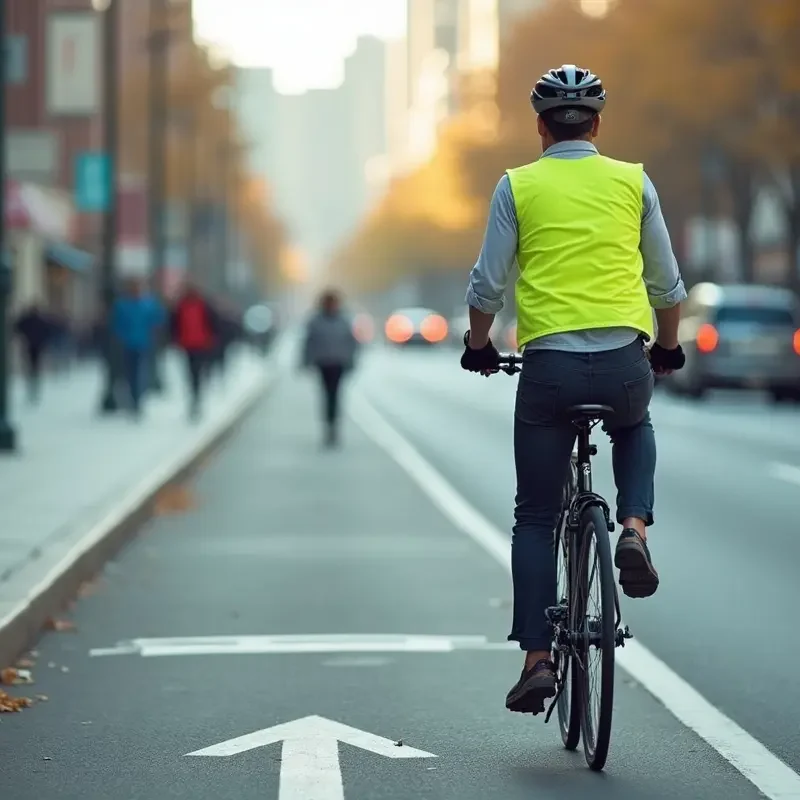
Cycling combines cardiovascular exercise, eco-friendly transport, and adventure, attracting many cyclists to streets and trails. Whether commuting or riding on weekends, safety is essential for a positive experience. Urban riders should be aware of their rights and have a plan in place in the event of an accident.
This includes being aware of legal resources, such as a bicycle accident lawyer in NYC. Understanding your legal protection can be just as important as wearing a helmet or reflective vest, offering peace of mind whenever you hit the road.
This comprehensive guide outlines essential safety measures that every cyclist should follow to minimize risks and maximize the enjoyment of their ride. By embedding these simple yet highly effective habits into your routine, you can safeguard not only yourself but also those around you—creating a more responsible and welcoming environment for all riders. Whether you’re a seasoned cyclist or just getting started, these tips are universally relevant and could even prove life-saving in unpredictable situations.
Wear a Properly Fitted Helmet
Helmets dramatically reduce the risk of traumatic brain injuries in cycling accidents, making them the single most important item in your safety arsenal. Ensure your helmet is certified to safety standards, such as CPSC or ASTM, fits snugly without being uncomfortable, and sits level on your head, neither tilting back nor forward.
The chin straps should form a “V” shape under your ears and be tight enough that only two fingers fit beneath them. The National Highway Traffic Safety Administration (NHTSA) underscores that wearing a certified helmet is crucial protection not only for children but for adults of all ages and experience levels. A properly worn helmet absorbs much of the impact in a fall or collision, reducing both the severity and likelihood of head injuries.
Obey Traffic Laws and Use Hand Signals
Cyclists are legally regarded as vehicles and must obey the same rules as motorists. This means stopping completely at red lights and stop signs, yielding to pedestrians, and always riding in the same direction as the flow of traffic. Being predictable in your actions is vital to your safety.
Using standardized hand signals—such as extending your left arm for left turns, right arm for right turns, and raising your left hand downwards for stopping—alerts drivers and pedestrians to your intentions, providing a clear line of communication on the road. Neglecting to signal can lead to confusion and costly mistakes, so make signaling a habit during your ride.
Stay Visible
Visibility is crucial, especially during less-than-ideal lighting conditions, such as dawn, dusk, fog, rain, or nighttime rides. Wear bright, neon, or fluorescent clothing during the day and reflective gear at night or in poor weather conditions. Equip your bicycle with a white front light and a red rear light, and use spoke or pedal reflectors for added visibility.
Studies show that most cycling fatalities occur in urban settings with heavy traffic and frequent intersections, underscoring the importance of making oneself as visible as possible to motorists. Simple actions, such as making eye contact with drivers at intersections, can also help ensure you have been seen. According to NHTSA, properly lighting up your bike and increasing your visibility with reflective accessories is one of the best defenses against accidents.
Maintain Your Bicycle
Regular maintenance is crucial for preventing mechanical failures that can lead to sudden and potentially hazardous situations. Before every ride, do a quick “ABC” check: ensure your Air (tires) are fully inflated, Brakes work properly, and Chain is clean and lubricated. Examine your brake pads for wear, check your tires for embedded objects or bald patches, and make sure your gears shift smoothly. If your bike makes unusual noises or handling feels off, address the issue promptly.
Clean and lubricate all moving parts as recommended by your manufacturer, especially if you ride in wet or dusty conditions. Consider getting professional tune-ups at regular six- to twelve-month intervals, depending on your riding frequency and conditions. Preventing problems before they arise decreases the likelihood of breakdowns during the ride and keeps your cycling experience enjoyable and safe.
Stay Alert and Avoid Distractions
Your focus is your best defense against the unexpected dangers on the road. Avoid using headphones, mobile phones, or any devices that could divert your attention from the surrounding environment. Instead, keep both hands on the handlebars and stay alert to the movement of nearby vehicles, pedestrians, and potential obstacles, such as potholes, debris, or animals.
Remaining vigilant allows you to anticipate hazards and react swiftly to changing traffic patterns or unexpected events, such as cars suddenly opening doors or pedestrians stepping into the bike lane. By maximizing your situational awareness, you put yourself in the best position to respond effectively and avoid collisions.
Plan Your Route
Choosing the safest and most enjoyable route can significantly lower your exposure to risk. Opt for bike-friendly streets with dedicated bike lanes, low traffic volumes, and slower speed limits whenever possible. Many cities now offer detailed cycling maps or have navigation apps that recommend the best routes for cyclists.
If you’re unsure, research your route in advance to identify tricky intersections or high-traffic areas to avoid. Planning ahead often results in a smoother, more enjoyable ride, allowing you to bypass hazards that could otherwise disrupt your journey or put your safety at risk.
Be Predictable
Predictability is a key factor that helps prevent collisions. Avoid weaving between vehicles, darting from one side of the lane to the other, or frequently changing your lane position. These erratic behaviors make it difficult for motorists to anticipate your next move, increasing the risk of accidents.
By riding in a straight line, matching your speed with traffic when possible, and signaling every maneuver, you contribute to a cooperative flow of traffic where everyone can anticipate and accommodate each other’s actions. Always check over your shoulder before changing directions and make eye contact with drivers or pedestrians whenever possible, to ensure your intentions are understood.
Educate Yourself and Others
Staying updated on local traffic laws, hazards, and cycling infrastructure is vital for safety. Attend community workshops, share resources, and educate new cyclists to foster awareness and respect. Promoting cycling education improves safety and strengthens community bonds, reducing conflict and enhancing shared spaces.
These safety measures make rides safer and more enjoyable. Whether commuting or cycling casually, protecting yourself and others is a shared duty. Staying diligent, obeying laws, maintaining your bike, and staying informed helps ensure safety for all, making cycling safer and more respected in your community.
Conclusion
Safe cycling depends on preparation, awareness, and responsible behavior. Wearing a helmet, obeying traffic laws, maintaining your bike, and using hand signals reduce accidents.
Staying visible and predictable helps motorists and pedestrians anticipate you, while careful route planning minimizes hazards. Education for all cyclists promotes a safer culture. These practices protect you, promote respect, and keep cycling enjoyable, healthy, and safe.