Our homes are far more than mere collections of wood and brick; they are the private sanctuaries where we rest, raise families, and store our most cherished possessions. The chilling prospect of a home invasion compels every homeowner to take proactive steps to secure their space.
This guide offers a comprehensive examination of effective home defense, weaving together physical security, strategic landscaping, modern technology, and critical legal awareness to ensure your home remains the haven it is meant to be.
Understanding the Intruder’s Mindset
Effective defense begins with understanding the offense. Most criminals are not master strategists; they are opportunistic. They seek quick access, minimal visibility, and the lowest possible risk. A home that is well-lit, clearly monitored, and difficult to enter is overwhelmingly likely to be passed over in favor of an easier target. By systematically eliminating opportunities, you create the greatest initial deterrent.
The Concrete Core: Fortifying Physical Entry Points
The foundation of a secure home lies in the strength of its physical barriers. Every point of access must be meticulously secured. Start with your doors, as they are the most common entry points. Exterior doors should be made of solid core material, not lightweight hollow wood, which can be easily breached.
Crucially, reinforce these doors with high-quality deadbolt locks. A deadbolt is only as good as the frame holding it, so ensure it extends at least one inch into a strike plate secured by long screws that penetrate the wooden frame studs, not just the decorative trim.
Windows, another frequently targeted vulnerability, must be addressed. Beyond simply keeping them latched, invest in secondary locks, which are often necessary as standard latches are easily defeated. For ground-level or basement windows, consider applying a shatter-resistant security film. This material holds glass shards together, forcing a burglar to make noise and spend precious time cutting through the reinforced window.
Specific actions for securing entry points include:
- Door Reinforcement: Install a quality deadbolt with a 1-inch throw and a strike plate secured by 3-inch screws into the wall studs.
- Sliding Doors: Place a security bar in the track or install a pin lock to prevent lifting or sliding.
- Garage-to-House Door: Treat this internal door exactly like an exterior door: solid core and heavy-duty deadbolt.
- Window Security: Use secondary locks (not just latches) and consider security film for ground-floor windows.
Strategic Landscaping: Blending Privacy and Security
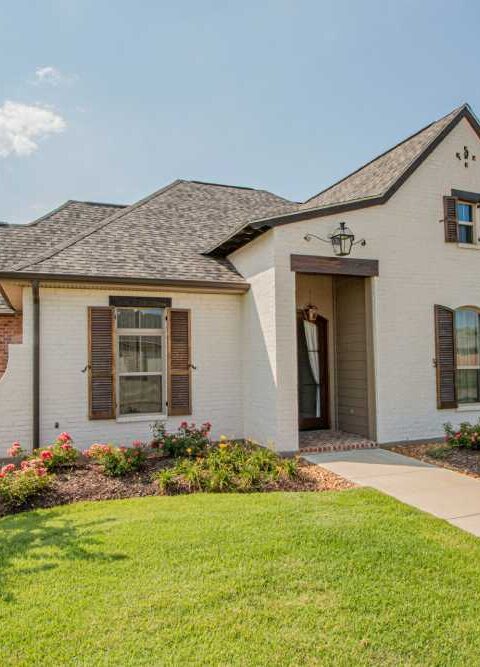
Effective landscaping is a masterful balance between creating desired privacy and maintaining optimal visibility for security. This approach uses the environment to your advantage. Focus on maximizing visibility; overgrown shrubs and dense trees provide excellent cover for an intruder attempting to tamper with locks or force entry. By adhering to a few key rules, you can eliminate these hiding spots:
- Shrub Height: Keep all shrubs near windows and doors trimmed low—no higher than two or three feet.
- Tree Canopies: Ensure tree canopies are limbed up to at least seven feet above the ground, preventing them from obscuring ground-level views.
- Defensive Planting: Plant thorny, dense, and unpleasant-to-navigate varieties (e.g., roses, holly, or Pyracantha) strategically under vulnerable ground-floor windows to create a natural deterrent barrier.
- Auditory Alerts: Use gravel pathways instead of paving stones or concrete near the house to ensure that every footstep makes an audible noise.
For homeowners concerned with privacy, use taller, dense foliage or solid fencing strategically to shield private outdoor areas, but ensure that these barriers do not create long, dark, unobservable corridors where a burglar could operate unseen from the street.
Technology, Gardening, and the Second Home Challenge
Modern security systems offer powerful defenses. A robust system includes layered protection: perimeter sensors, interior motion detectors, and a loud alarm connected to professional monitoring. Integrate high-definition security cameras equipped with night vision to cover all access points. Today’s smart home systems allow seamless integration, permitting remote locking and real-time viewing from a smartphone.
Even your irrigation system can play a role in security. While its primary function is gardening maintenance, a modern smart system can be activated remotely. Imagine an intruder setting off a motion sensor in the yard only to be met by a sudden deluge from the sprinklers—an unexpected and highly effective discouragement.
For those who own a second home at the beach or in the mountains, security demands heightened vigilance because the property is unoccupied for extended periods. The strategy here shifts to creating the illusion of presence:
- Non-Stop Monitoring: A robust, remotely monitored alarm system is non-negotiable for instant alerts.
- Simulated Occupancy: Use smart timers to turn lights on and off randomly in different rooms, and run a radio or TV intermittently.
- Remove Evidence of Absence: Arrange for mail to be held or forwarded, and ensure no newspapers or flyers are left accumulating.
- Local Checks: Establish a relationship with a trusted neighbor or local service to conduct regular physical checks.
The Legal Framework: Advice from Neal Hamilton (Hamilton Defense)
When it comes to defending your home, understanding the legal boundaries is just as critical as having a locked door. For a professional perspective on the gravity of these situations, we look to the expertise of Neal Hamilton, the lead attorney at Hamilton Defense. With nearly 20 years of experience in criminal defense, Neal Hamilton specializes in protecting the rights of individuals facing serious charges, including violent crimes and homicide.
“Facing criminal charges—even those stemming from an act of self-defense—is a daunting experience,” Hamilton notes. His firm emphasizes that the legal system is complex and that a proactive, aggressive defense is essential from the moment an incident occurs. In the context of home defense, it is vital to remember that while the law may provide protections like the “Castle Doctrine,” your actions will still be scrutinized under the “reasonable person” standard.
Critical legal takeaways from a criminal defense perspective include:
- Proportionate Force: The law generally requires that the force used in self-defense be reasonable and proportionate to the threat faced.
- The Right to Counsel: If you are involved in a home defense situation, do not navigate the legal system alone. Professional representation is crucial to uncovering details and building a comprehensive defense strategy.
- Do Not Escalate: The legal right to use force often ends when the threat is neutralized. Actions taken against a fleeing intruder can lead to severe criminal charges.
- Meticulous Case Review: A dedicated defense attorney like those at Hamilton Defense will review every detail, from surveillance footage to witness statements, to protect your future.
As the team at Hamilton Defense puts it, “Don’t let legal challenges overwhelm you. Take the first step towards securing your future.”
Conclusion: Vigilance and Peace of Mind
Defending your sanctuary is a continuous process that demands attention to detail, from reinforcing a deadbolt to understanding your legal rights. By combining thoughtful landscaping with robust physical barriers and responsive technology, you not only deter criminals but also gain invaluable peace of mind. Your home should be your fortress—and with the right strategy and the right legal support, it will be.