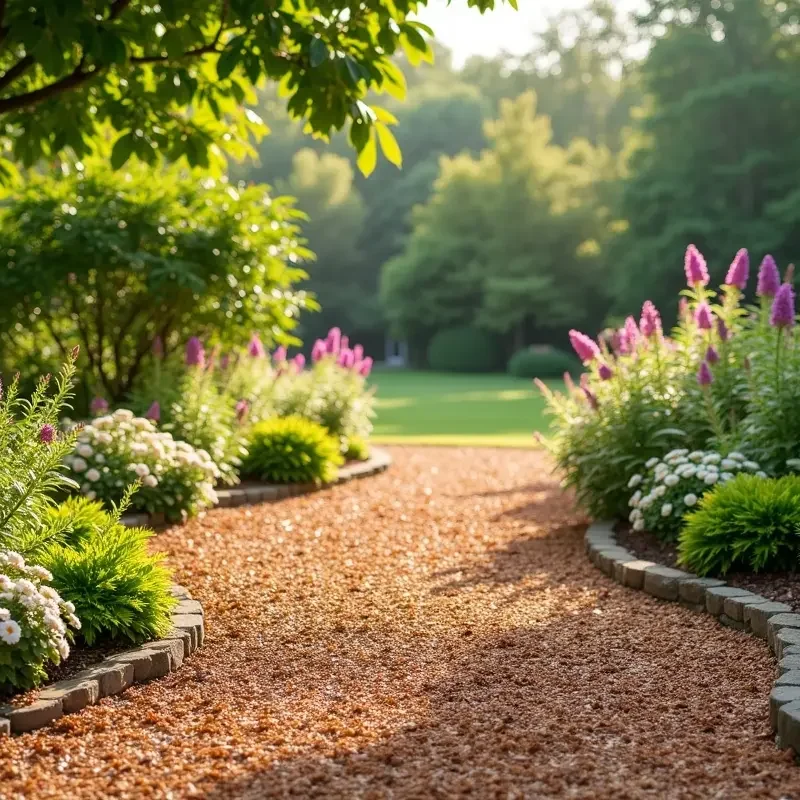
Mulching is an essential practice in both gardens and landscapes, significantly enhancing plant health and soil structure while promoting overall landscape sustainability. Whether you are maintaining a decorative flower bed, a thriving vegetable patch, or an expansive landscape, strategically using mulch can provide long-lasting improvements to your outdoor environment. As more gardeners and property owners adopt mulching, its proven ability to protect soil, conserve water, and foster healthy plant growth becomes increasingly evident.
At its core, mulching involves spreading a protective layer of material over the soil surface to shield it from the elements. This process is about more than just aesthetics. Quality mulching reduces gardening maintenance, preserves vital nutrients, and sustains healthier plant roots throughout the growing season. Done properly, mulching transforms gardens and landscapes into more resilient, eco-friendly spaces.
Moisture Retention
One of the foremost benefits of mulching is its ability to dramatically reduce water evaporation from the soil. By creating a protective layer, mulch helps keep moisture in the soil for longer, reducing how often you need to irrigate. This is particularly valuable during hot or dry spells and for gardeners concerned about water conservation. Experts at The Home Depot highlight that mulching can reduce water loss by up to 50%, thereby boosting plant vitality and growth.
Weed Suppression
Mulch makes it much harder for pesky weeds to take hold in your garden beds. By physically blocking sunlight from reaching the soil, mulch inhibits the germination and growth of many common weeds. This natural weed barrier means less time spent hand-pulling weeds and fewer resources needed for chemical weed control. Studies consistently show that layered mulch can significantly reduce weed growth, supporting a cleaner, low-maintenance garden.
Soil Improvement
Organic mulches, such as shredded bark, straw, or compost, go a step further by improving soil as they decompose. Over time, these materials break down, boosting soil organic matter and structure. This leads to better aeration, water retention, and a flourishing community of beneficial soil microbes. Additionally, decaying mulch releases nutrients back into the earth, gradually enriching it for ongoing plant support. These advantages make organic mulch highly beneficial for garden health and productivity.
Erosion Control
Erosion, often caused by wind and rain, can exhaust topsoil and deplete essential nutrients needed for plant health. Mulch acts as a shield, reducing the impact of heavy rainfall and minimizing soil displacement. This is especially important for sloped gardens or areas with light, sandy soil that is prone to washing away. Effective mulching maintains soil integrity, preserves nutrients, and stabilizes steep landscape features, making it a vital strategy for sustainable gardening.
Proper Mulching Techniques
To reap the full rewards of mulching, correct application is essential:
- Depth: The ideal mulch depth is between 2 and 4 inches. Anything less may not suppress weeds or retain moisture efficiently, while too much can suffocate the roots or encourage rot.
- Spacing from Stems: Always keep mulch a couple of inches away from the base of plants and tree trunks to prevent moisture buildup that could cause rot and attract pests.
- Routine Maintenance: Mulch naturally breaks down or may shift due to wind and rain. Check your mulch layer regularly and replenish as needed to maintain protection and benefits.
Choosing the Right Mulch
The type of mulch you select should match your specific gardening objectives and preferences:
- Organic Mulch: Includes options like bark, wood chips, compost, and straw. These materials improve soil health while adding visual warmth to plant beds. Organic mulch is well-suited to vegetable gardens, flower beds, and around shrubs and trees.
- Inorganic Mulch: Includes gravel, pebbles, rubber, or plastic sheets. While these do not improve soil quality, they are long-lasting and useful for walkways, areas prone to erosion, or places where you need robust weed control without ongoing replenishment.
Appearance, longevity, and plant needs should all be considered when deciding on mulch to ensure your landscape remains healthy and attractive.
Temperature Regulation
Fluctuations in soil temperature can damage plant roots and disrupt growth. Mulch serves as an insulating blanket for garden soil, keeping soil cooler in summer and warmer in winter. This buffer effect is critical for perennial plants and sensitive root systems, enabling gardens to thrive even under challenging weather conditions. As reported by the University of Minnesota Extension, proper mulching mitigates heat stress and guards against frost damage, creating a more stable environment for root development.
Common Mulching Mistakes
Many gardeners make common mistakes that undermine the effectiveness of mulching. Key issues include creating mulch volcanoes by piling mulch against tree trunks or shrub stems, leading to moisture accumulation and potential disease; applying excessive mulch, which can exceed 4 inches and suffocate plant roots; and neglecting to replenish mulch, thereby losing its protective qualities.
To ensure a healthy balance that protects plants and maximizes mulching benefits, these mistakes should be avoided. Proper application and material selection of mulch provide significant enhancements in soil health, plant vigor, and overall garden sustainability.
Conclusion
Mulching is a simple yet highly effective practice that delivers wide-ranging benefits for any garden or landscape. From conserving moisture and suppressing weeds to regulating soil temperature and improving soil quality, mulch plays a vital role in supporting healthy plant growth. When applied correctly and maintained regularly, it also protects against erosion and reduces the need for intensive upkeep.
By choosing the right type of mulch and avoiding common mistakes, gardeners can create a more resilient, efficient, and sustainable environment. Ultimately, thoughtful mulching not only enhances the beauty of your outdoor space but also ensures long-term vitality and success for your plants.