A broken or foggy window can lead homeowners to assume that a full replacement is the only option. In many cases, however, replacing the glass alone restores appearance, safety, and comfort while preserving a frame that still has years of useful life. A qualified window replacement Denver provider can help determine whether the issue is limited to the glazing or affects the complete window assembly.
The right decision depends on more than the visible damage. The frame, sash, seals, hardware, insulation around the opening, and the window’s ability to open and lock all matter. Looking at the full picture helps prevent paying for a complete window when glass replacement is sufficient, or installing new glass into a window that is already structurally failing.
What Glass-Only Replacement Means
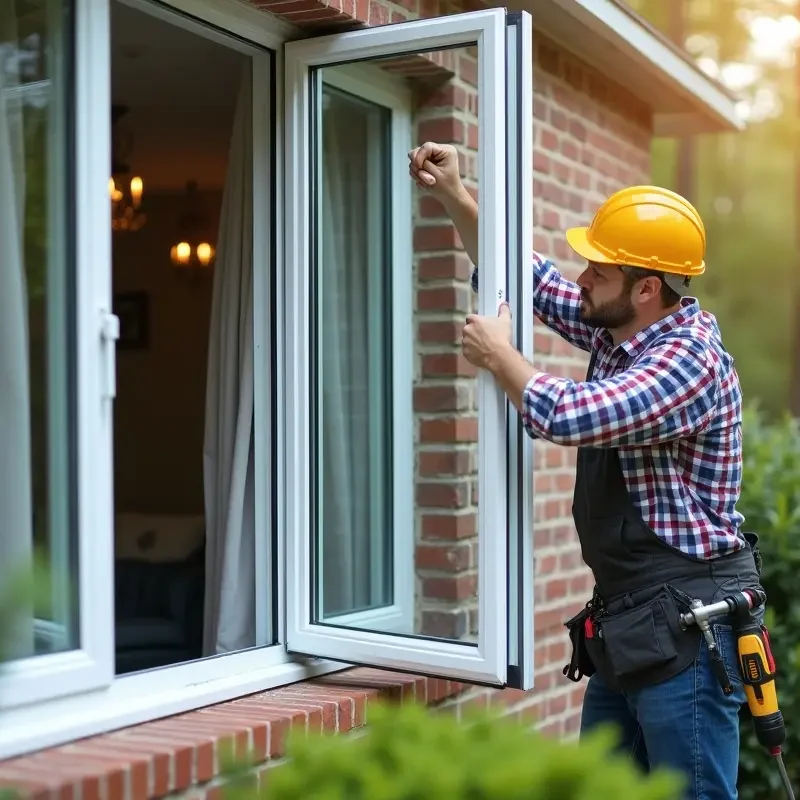
Glass-only replacement means removing a damaged pane or insulated glass unit while keeping the existing frame and sash in place. This is common for cracked glass, shattered panes, moisture between double panes, and failed perimeter seals. The existing sash must be square, stable, and capable of securely holding the new glass. Because the surrounding frame remains, this approach can reduce disruption to trim, siding, drywall, and interior finishes.
Signs That Glass Replacement May Be Enough
The strongest case for replacing the glass is a window that still functions properly, aside from the pane itself. Look for a single isolated crack, a broken pane from impact, or a cloudy appearance between the double panes. Fogging usually indicates that the seal around an insulated glass unit has failed, allowing moisture to enter the space between the panes.
- The window opens, closes, locks, and stays aligned.
- The frame has no soft wood, major cracks, rust, or visible distortion.
- The sash is firm and does not rattle or sag.
- Damage is limited to the glass, muntins, or glazing materials.
- You want improved glass performance without changing the window style.
When Full Window Replacement Makes More Sense
New glass cannot fix a failing frame. Full replacement is usually the wiser investment when wood is rotted, vinyl is cracked, metal is corroded, or the frame has warped enough to prevent an airtight seal. Water stains below the window, peeling paint around the sill, or recurring leaks can indicate a larger problem with the installation.
Consider replacing the entire window when the sash is bowed, the balances or rollers have failed, the locks no longer work, or repairs have become repetitive. A full replacement may also be appropriate during a remodel that changes window size, improves egress, adds ventilation, or updates the opening’s style.
How Glass Choice Affects Comfort And Energy Use
Glass selection affects winter drafts, summer heat gain, fading, glare, and outdoor noise. Single-pane glass offers limited insulation. Double-pane insulated glass uses two panes separated by a sealed space, while triple-pane glass adds a third pane and another insulating space. Low-emissivity, or Low-E, coatings help manage heat transfer, and argon gas fills and warm-edge spacers can improve the insulating performance of an insulated unit.
Glass should match the home’s climate, window direction, and room use. South- and west-facing windows may need stronger solar control in hot climates, while colder areas often benefit from low heat-loss values. The U.S. Department of Energy notes that heat gain and loss through windows account for roughly 25% to 30% of residential heating and cooling energy use. Its window technology guide explains how glazing, frames, gas fills, spacers, and operation affect overall performance.
How To Read Window Performance Ratings
Product labels make it easier to compare replacement glass and complete windows without relying on broad efficiency claims. The most useful measurements include:
- U-Factor: Lower numbers generally indicate better resistance to heat loss.
- Solar Heat Gain Coefficient: Lower values reduce the amount of solar heat entering through the glass.
- Visible Transmittance: Higher values allow more daylight into the room.
- Air Leakage: Lower air leakage helps reduce drafts through the assembled window.
- Condensation Resistance: Higher ratings generally indicate better resistance to interior condensation.
Ratings should be compared in context, not in isolation. Climate, orientation, shading, and comfort goals all affect the best choice.
The Main Factors That Shape Project Cost
There is no single price that fits every glass or window project. Cost can change based on glass size, thickness, shape, pane count, accessibility, and safety requirements. Tempered or laminated safety glass, custom grids, specialty tint, Low-E coatings, and discontinued sash parts can also increase the price. Upper-floor access, emergency service, difficult removal, frame repairs, permits, cleanup, and disposal should be clearly included in the estimate.
A Simple Window Inspection Checklist
- Look for cracks, chips, haze, fogging, or moisture between panes.
- Check the frame and sill for swelling, rot, gaps, rust, or warping.
- Open and close the window slowly to check for binding or sagging.
- Test locks, handles, cranks, rollers, and balances.
- Look for staining or peeling paint around the interior trim and the sill.
- Note drafts on a windy day, but do not touch damaged glass.
- Take photos and record rough measurements before requesting estimates.
Questions To Ask Before Hiring Help
- Can the current frame and sash safely hold replacement glass?
- Does the estimate cover glass-only work, sash replacement, or full window replacement?
- What glazing, coating, gas fill, and safety glass options are proposed?
- Will the new glass match the color and appearance of the nearby windows?
- Does the quote include sealing, cleanup, disposal, and potential frame repairs?
- What warranties apply to the glass unit and installation work?
Final Decision: Repair, Replace The Glass, Or Replace The Window
Minor hardware issues may only need repair. Glass-only replacement can be an excellent solution when the pane or insulated seal has failed, but the frame remains sound, secure, and weather-resistant. Full replacement makes more sense when several parts of the window are deteriorating or when leaks and structural damage extend beyond the glass. A careful inspection and a detailed estimate will provide a better answer than choosing solely on the basis of the lowest upfront cost.