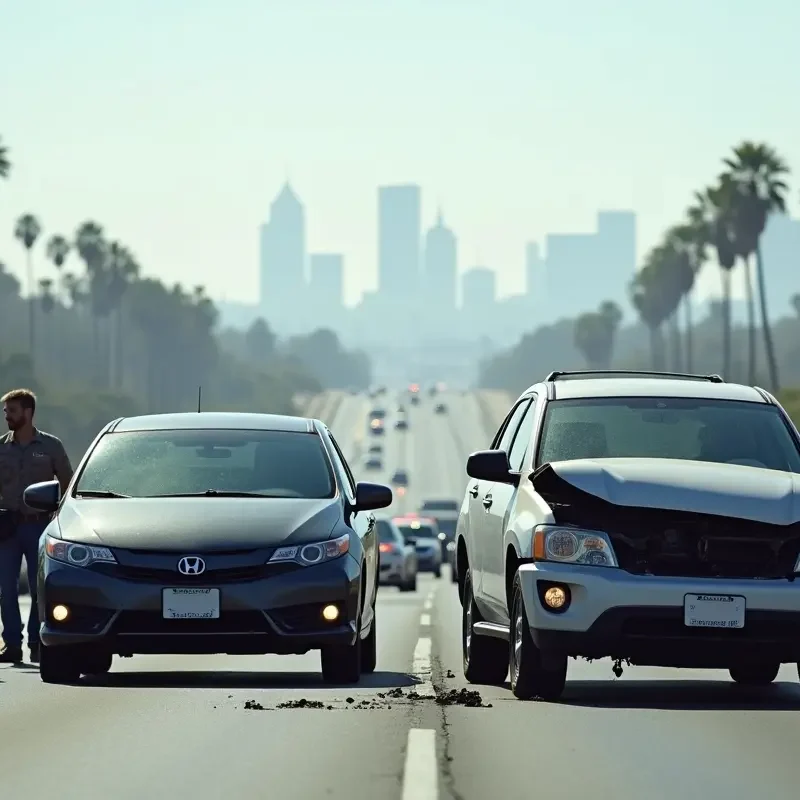
Navigating the aftermath of a car accident in California demands a clear understanding of your rights, obligations, and options. Whether another driver strikes you or you become a victim of a hit-and-run, taking the right steps can protect your health and financial interests. Consulting with a car accident lawyer in Whittier can provide invaluable guidance during this complex process, from reporting requirements to maximizing compensation through insurance claims.
Since California operates under an at-fault system for vehicle collisions, the liable party’s insurance will be responsible for damages. However, reporting timelines, insurance coverage nuances, and recent legal changes mean that all drivers should be well-informed to ensure fair treatment and to avoid potential pitfalls after an accident.
Reporting Requirements
After any car accident involving injury, death, or property damage exceeding $1,000, California law demands that drivers file a report with the Department of Motor Vehicles (DMV) within 10 days. This measure ensures all incidents are officially documented and that victims have an avenue to seek compensation. Failure to report could result in fines or even the suspension of your driver’s license. More information on these regulations can be found on the California DMV website.
Besides reporting to the DMV, you must also notify your insurance company as quickly as possible. Even minor accidents should be reported, as delayed notifications may hinder your ability to receive compensation.
Insurance Coverage and Uninsured Motorist Protection
California’s drivers are legally required to carry minimum levels of liability insurance: $15,000 for injury/death to one person, $30,000 for injury/death to multiple people, and $5,000 for property damage. Yet, many drivers ignore this rule, which has made Uninsured Motorist (UM) coverage a vital part of insurance policies.
If you are hit by an uninsured driver or involved in a hit-and-run, UM protection enables you to recover medical and repair costs from your own insurer. There are strict requirements and deadlines when making these claims, so review your policy closely.
The Legal Clarity resource on hit-and-run insurance in California provides a detailed look at the nuances of UM coverage, including what counts as “physical contact” for hit-and-run claims and deadlines to file a UM claim.
Recent Legal Developments Affecting Claims
Recent legal trends are changing how car accident claims are handled in California. A notable example is the May 2026 settlement in which General Motors agreed to pay $12.5 million after being accused of illegally selling California driver data. This landmark case shines a light on drivers’ privacy rights and how personal information may be used in auto insurance investigations or settlements. For additional insight, read this Los Angeles Times report on the implications for drivers and insurers.
Additional reforms regarding evidence collection, the admissibility of data from vehicle recorders, and stricter enforcement of reporting standards reflect continuous changes in state law. Keeping up with these developments helps protect your interests and keeps you compliant.
Steps to Take After an Accident
After any car accident, how you respond in the first few minutes and hours has substantial implications for both your health and a potential claim. Experts recommend following these steps for your safety and to preserve your rights:
- Ensure Safety: First, move your vehicle off the road if it is safe to do so, and check yourself and others for injuries.
- Call Emergency Services: Dial 911 to report the accident and summon medical or law enforcement help as needed.
- Document the Scene: Take photos and notes about the vehicles, the scene, road conditions, and visible injuries or damage.
- Exchange Information: Collect names, contact details, insurance information, and vehicle registrations from all parties involved.
- Notify Your Insurance Company: File a report and provide all requested documentation to your insurer.
For an in-depth primer on what to do after a car accident, review this DMV.org guide to handling car accidents.
Seeking Legal Assistance
Although many car accident claims can be settled directly with insurers, cases involving severe injuries, disputed liability, uncooperative parties, or insurance denial often require professional legal help. A car accident lawyer can evaluate the specifics of your situation, represent you in negotiations or court, and help ensure that all paperwork is handled correctly and on time. Legal professionals also stay updated on the latest state laws and court decisions, so you are less likely to miss important developments that may affect your case.
Understanding California’s car accident claims process, insurance requirements, and evolving legal landscape empowers drivers to take prompt and informed action. Proper preparation and seeking professional help as needed will give you the best chance at full and fair compensation following any vehicle collision.