Creating an eco-friendly outdoor space provides tremendous benefits, from enhancing curb appeal to protecting local ecosystems for generations to come. Today, adopting sustainable landscaping methods is one of the most effective ways homeowners can conserve resources and promote biodiversity within their property lines.
Whether you are starting a garden from scratch or looking to make eco-minded improvements, thoughtful choices bring lasting value to both your property and the planet. By considering landscaping services led by sustainability best practices, you can create beautiful landscapes that reduce your environmental footprint and remain low-maintenance throughout the seasons.
Modern sustainable landscaping goes beyond simple aesthetics. It incorporates smart irrigation, responsible material sourcing, organic gardening, and habitat support for regional wildlife. Adopting these principles can help reduce waste and water consumption, all while creating vibrant, functional, outdoor spaces suited for relaxation and entertaining guests.
Choose Native and Drought-Tolerant Plants
Native plants require less frequent watering, fertilizing, and pest control than non-native species. Because they are adapted to local climate conditions, these plants thrive within their environment and provide important food and shelter for birds, insects, and pollinators. Using drought-tolerant selections like lavender and sedum can further help homeowners ease the strain on regional water supplies.
Landscaping with a blend of native and resilient plants not only cuts back maintenance but also strengthens local biodiversity.
Implement Efficient Irrigation Systems
Conserving water is crucial as climate variability and population growth place more demands on natural resources. Modern irrigation solutions, such as drip irrigation and soaker hoses, deliver water directly to a plant’s root system. This method prevents evaporation and run-off, making every drop count.
Furthermore, installing moisture sensors or rain shutoff devices will ensure your landscape only receives what it needs, avoiding overwatering and saving you money on your water bill.
Adopt Organic Soil Management Techniques
Relying on the natural resilience of the soil with compost, mulch, and organic amendments is the backbone of sustainable gardening. Organic matter improves your soil’s texture, increases moisture retention, and encourages beneficial soil organisms.
Instead of chemical fertilizers, regular applications of compost or leaf mold gradually enrich the soil, keeping harmful substances out of the groundwater and reducing dependency on synthetic products.
Utilize Sustainable Hardscaping Materials
Paths, patios, and retaining walls offer permanent structure but can also pose an environmental challenge if made with unsustainable materials. Recycled content (such as recycled aggregate or composite decking), reclaimed wood, and locally sourced stone are excellent eco-friendly options. Choosing permeable surfaces also helps with stormwater infiltration and reduces the risk of runoff-related erosion.
Design Multifunctional Outdoor Spaces
Modern landscapes prioritize versatility, supporting both ecological stewardship and practical living needs. Design zones for outdoor work, relaxation, and entertainment while considering features that promote sustainability, such as edible gardens or living privacy screens. Creative layouts can foster interactions with nature while minimizing turf grass areas and their associated upkeep.
Reduce Lawn Areas and Maintenance
Traditional lawns often demand weekly mowing, frequent watering, and synthetic herbicides or fertilizers. Reducing overall turf coverage by swapping portions of grass for ground covers, gravel pathways, or well-placed garden beds saves time, conserves water, and supports a healthier backyard ecosystem. Replace hard-to-irrigate slopes and corners with robust, low-maintenance plantings for maximum efficiency.
Incorporate Pollinator-Friendly Gardens
Providing for pollinators is an essential part of sustainable landscaping. Inviting bees, butterflies, and hummingbirds to your yard is as simple as planting a range of native, nectar-rich flowers like salvia, milkweed, or goldenrod. Not only do pollinator gardens bring beauty and movement to your landscape, but they also play a crucial role in supporting crop yields and broader ecosystem health.
Limit Chemical Usage and Embrace Natural Controls
A critical yet often overlooked aspect of sustainability is reducing chemical dependencies in your landscape. Excessive use of herbicides and pesticides can harm beneficial insects and leach into groundwater. Instead, consider integrating natural pest management strategies, such as introducing ladybugs or lacewings to control aphids and using neem oil or insecticidal soap for targeted treatment.
Encouraging biodiversity in plantings naturally attracts predatory species, and rotating crops or garden bed locations helps break pest and disease cycles. Companion planting, where compatible plants are situated together, may also deter pests and improve yields without resorting to synthetic treatments.
Harness Rainwater and Composting Systems
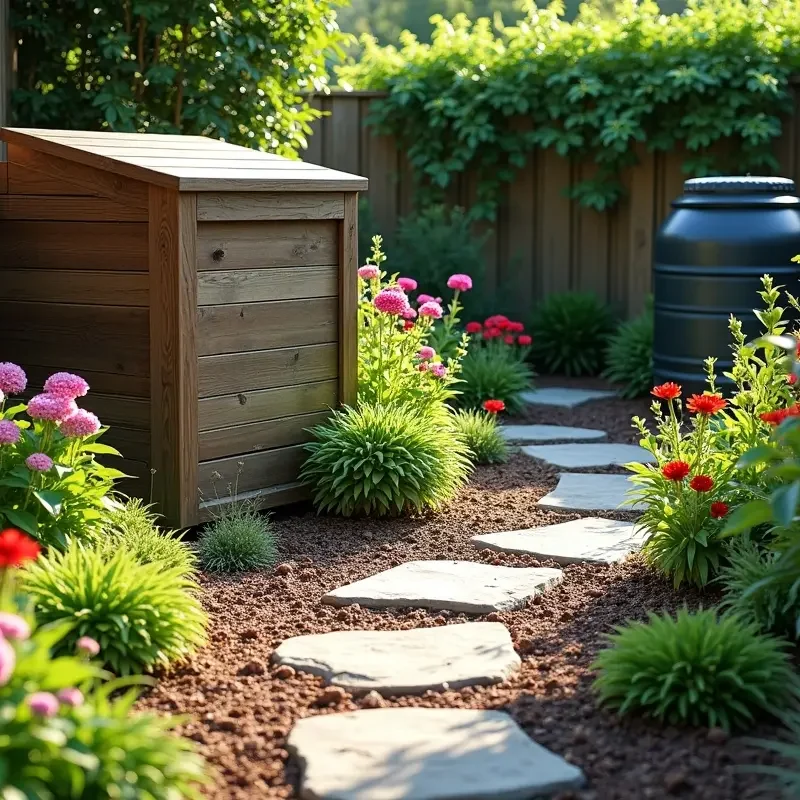
To further improve sustainability, homeowners can implement rainwater collection systems and on-site composting. Rain barrels or cisterns can harvest runoff from rooftops, providing chemical-free water for irrigating gardens and reducing demand on potable water sources.
Setting up compost bins for kitchen scraps and yard waste not only diverts organic material from the landfill but also produces valuable soil amendments that enrich garden beds naturally. Incorporating these systems creates a closed-loop approach, reinforcing the sustainable cycle on your property while minimizing household waste.
Foster Community and Share Resources
Bringing a sense of community into your sustainable landscaping goals can amplify positive impacts. Engage with neighbors, local gardening clubs, or conservation groups to exchange seeds, share tools, and learn about regionally adapted practices. Community gardens or neighborhood compost programs help pool resources and knowledge, making eco-friendly landscaping more achievable and enjoyable.
Collaborating with others can introduce new perspectives and inspire creative solutions unique to your area. In turn, these efforts help strengthen community bonds and build collective responsibility for local environmental stewardship.
Conclusion
Sustainable landscaping is an investment in your property’s beauty and long-term resilience. By making informed choices and embracing eco-friendly practices, you can design an outdoor space that saves resources, nurtures vital ecosystems, and stands as a model for modern living. Whether you begin with a few native plants or pursue a complete garden overhaul, every sustainable step makes a positive impact on both your home and the natural world.