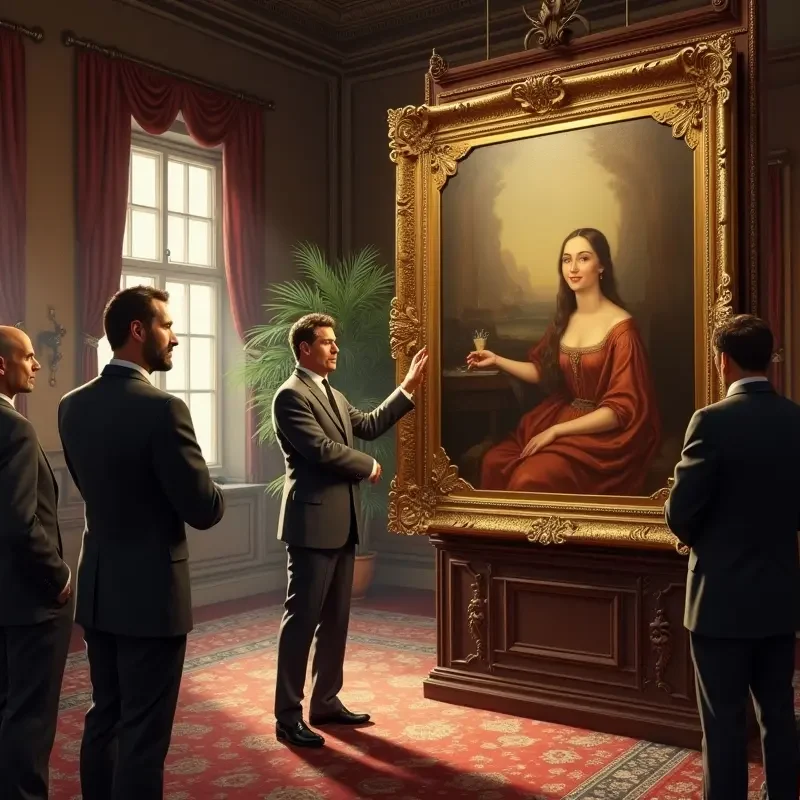
Preparing your art collection for auction is a pivotal moment for any collector. This process not only increases your chances of a successful sale but also protects your investment in the art world. By following the right steps and working with professionals, you ensure that your pieces garner the attention and value they deserve. For those curious about the first steps, a free fine art auction valuation is an excellent way to start planning your auction journey and understanding the worth of your collection.
Adequate preparation involves careful evaluation, research, and presentation. Each phase presents its unique challenges, but it is essential to achieve the best possible outcome at auction. Thoughtful planning not only attracts serious bidders but can also help maximize hammer prices in a competitive market. Ensuring your collection is documented, presented professionally, and priced realistically is a crucial step on this path.
Collectors should also consider the legal and financial aspects of the process. From verifying provenance to understanding contractual terms, a meticulous approach will reduce surprises and ensure a transparent experience. Remember, your diligence will shine through to buyers—affecting both their confidence and bidding enthusiasm.
Evaluate Your Collection
Begin by conducting a detailed assessment of each artwork you wish to sell. Important factors to consider include the artist’s reputation, rarity, subject matter, and historical relevance. Compare your pieces against current market standards and recent auction results, which can often be found in publicly available databases or auction catalogs. This assessment will help you understand which pieces hold the greatest promise for competitive bidding and allow you to prioritize work with the strongest potential impact.
During this evaluation, also consider whether certain pieces would benefit from additional documentation, restoration, or professional cleaning. Establishing a hierarchy within your collection enables more strategic decision-making as you move through the auction process.
Research the Market
Understanding broader market trends is critical in determining the optimal timing and pricing for your art. Study recent sales of similar artworks by reviewing auction results, art market reports, and trusted publications. Tools like auction price databases and resources from reputable organizations can guide your expectations on demand, pricing, and buyer interest.
Pay attention to variables such as artist popularity cycles, genre trends, and seasonality in sales. These factors influence not only final hammer prices but also the level of competition amongst bidders.
Choose the Right Auction House
Selecting the right auction house is as important as preparing your collection. Research which houses specialize in your type of art—be it contemporary, old masters, or emerging artists—and examine their track record. Consider the house’s reputation, international reach, and quality of client service. A tailored approach ensures your artworks are presented to the most appropriate and engaged audiences, often resulting in superior sales outcomes.
Establishing clear communication with the auction house can further enhance the selling process. Consult with their specialists to confirm your artwork fits seamlessly within an upcoming sale and discuss marketing strategies tailored to your collection.
Document Provenance and Authenticity
Provenance and authenticity are critical concerns for both buyers and auction houses. Assemble all related documentation for each artwork—certificates of authenticity, bill of sales, exhibition history, and any correspondence with galleries or previous owners. Verified provenance adds narrative value and trust, ultimately supporting a stronger price at auction.
Ensure this documentation is organized, accessible, and ready to present to both the auction house and prospective buyers. Lack of clear provenance may limit interest or even disqualify works from being accepted into premium sales.
Assess and Improve Condition
Next, evaluate the physical state of every artwork. Even minor flaws should be noted, photographed, and, where appropriate, professionally restored. Restoration and conservation should always be entrusted to experts—amateur attempts may cause irreversible harm. Auction houses often require detailed condition reports, so these should be thoughtfully prepared and transparent.
A well-maintained artwork reassures buyers and can significantly increase perceived value and saleability.
Professional Photography
The importance of visual presentation cannot be overstated. High-resolution, professionally lit images help your artwork stand out in auction catalogs and digital listings. Clear, detailed photography conveys quality and trust, enabling online bidders to examine details they might otherwise miss. Capture all angles, signatures, and relevant details so potential buyers can make informed decisions.
Set Realistic Reserve Prices
While it’s tempting to set high reserve prices, doing so may exclude qualified buyers. Work closely with your auction specialist to set reserves that accurately reflect current market values and your financial objectives. Reasonable reserve prices encourage bidding and often lead to more competitive results, while overpricing can result in unsold works.
Understand Auction Terms and Conditions
Review the contractual details provided by the auction house, including commission rates, sale timelines, protocols for unsold items, and payment schedules. Understanding these terms up front prevents misunderstandings and streamlines post-auction procedures. Never hesitate to request clarification—transparency is in the best interest of both parties.
Preparing your art collection for auction is a multi-step journey that combines market expertise, professional collaboration, and diligent organization. By investing in careful preparation, you’ll be well-positioned to maximize the visibility and value of your art collection in a dynamic, global marketplace.
Final Thoughts
Preparing an art collection for auction is both a strategic and rewarding process that requires foresight, organization, and informed decision-making. By carefully evaluating your collection, researching the market, and selecting the right auction house, you lay a strong foundation for success. Thorough documentation, attention to condition, professional presentation, and realistic pricing all work together to build buyer confidence and encourage competitive bidding.
When combined with a clear understanding of auction terms and expert guidance, these steps help protect your investment and position your artworks to achieve their full potential. With thoughtful preparation, your collection can enter the auction market with clarity, credibility, and the best possible chance for outstanding results.