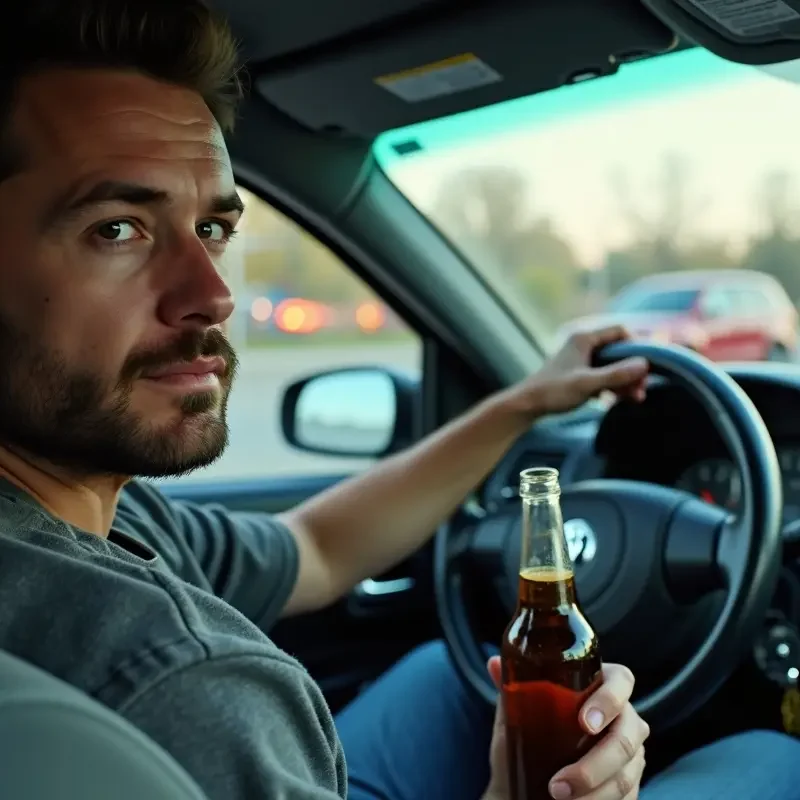
Las Vegas, known for its vibrant nightlife and influx of visitors, faces one of its most pressing public safety threats in the form of drunk driving. Each year, impaired driving causes numerous crashes, life-changing injuries, and untold heartache for families across the city. These tragic accidents persist despite stern penalties and dedicated efforts to curb the epidemic.
Legal advocates and victim support groups report that the city’s rates remain consistently higher than state and national averages, highlighting the urgent need for more comprehensive action. Resources like BlakeFriedmanLaw support affected victims and help raise public awareness surrounding this critical issue.
The widespread consequences of impaired driving are especially troubling in a metropolitan area where thousands travel daily for work, entertainment, and tourism. The unpredictable nature of drunk driving puts every road user at risk, leaving many residents concerned about their own safety and the well-being of loved ones. Prevention initiatives have made significant progress; however, the scale of the challenge necessitates ongoing commitment from law enforcement, policymakers, and the broader community.
Recent Incidents Highlighting the Severity
Several widely reported crashes have brought the problem of drunk driving to the forefront in Las Vegas. In November 2021, former NFL player Henry Ruggs fatally struck Tina Tintor while driving at 156 mph with a blood-alcohol level over twice the legal limit.
This tragic case captured national headlines, as Ruggs later pleaded guilty to felony DUI resulting in death and received a lengthy prison sentence. The event reignited conversations about preventing impaired driving among both residents and visitors to the city.
Another example occurred in May 2024—a suspected drunk driver ran a red light and triggered a fatal three-car collision in the east valley, killing an elderly woman. Police reports confirmed that the offending driver did not attempt to slow down or avoid the crash. These headline-grabbing incidents are only the tip of the iceberg, as countless families continue to be affected by alcohol-related crashes every year. For more details, see the Las Vegas Review-Journal coverage.
Statistical Overview
Statistical data from the Nevada Office of Traffic Safety underscores the magnitude of the problem. As of May 31, 2025, Nevada had recorded 155 fatal crashes and 162 resulting fatalities; Clark County, encompassing Las Vegas, accounted for the vast majority with 115 deaths.
These sobering numbers—while showing a slight decline compared to prior years—still represent a grave public health concern. The high volume of visitors and the party-centric culture further complicate efforts to enforce safe driving behavior throughout the city.
Legal Consequences for Offenders
Nevada state law mandates strict penalties for individuals convicted of driving under the influence. First-time offenders typically confront fines, temporary license suspensions, and required enrollment in sobriety education courses. If an impaired driver causes injury or death, sentencing guidelines call for significant prison time.
In a standout 2023 case, Jemarcus Williams faced 16 to 40 years for a DUI accident that resulted in the deaths of two Nevada state troopers, highlighting the gravity of repercussions for egregious offenses. The severity of the penal system is a critical deterrent, but the frequency of deadly crashes suggests that enforcement alone cannot fully resolve the crisis.
Preventative Measures and Public Awareness
To tackle impaired driving, Las Vegas authorities are employing a range of strategies. Regular DUI checkpoints, highly publicized during peak weekends, catch and deter would-be offenders. City-backed public awareness campaigns run across media platforms, encouraging alternatives to driving under the influence. Partnerships with ride-sharing services provide affordable and convenient options for partygoers, particularly around major events and holidays.
City and state officials also promote in-school programs and public workshops on the risks and consequences of impaired driving. By adopting technology like ignition interlock devices, repeat offenders are prevented from operating vehicles after consuming alcohol. Yet, experts agree that changing community norms and attitudes toward drinking and driving is as important as law enforcement.
Community Involvement and Support
Much of Las Vegas’ progress in combating drunk driving stems from the dedication of community organizations. Groups like Mothers Against Drunk Driving (MADD) offer victims and their families invaluable resources and emotional support, while also pushing for stricter legislation and higher enforcement standards.
Local businesses—especially those in the hospitality sector—collaborate with city leaders to promote responsible alcohol service and educate patrons about safe transportation options. Wellness coalitions assist those struggling with substance misuse, focusing on early intervention and education to reduce the risk of future impaired driving incidents.
Conclusion
Drunk driving remains an urgent threat on Las Vegas roadways, taking a devastating toll each year despite all ongoing efforts. Recent tragedies and statewide statistics underscore the ongoing need for vigilance, community collaboration, and comprehensive prevention strategies. Legal support and advocacy—along with innovative public awareness and robust community engagement—offer hope for safer streets and a future where fewer families must endure the pain of avoidable loss.