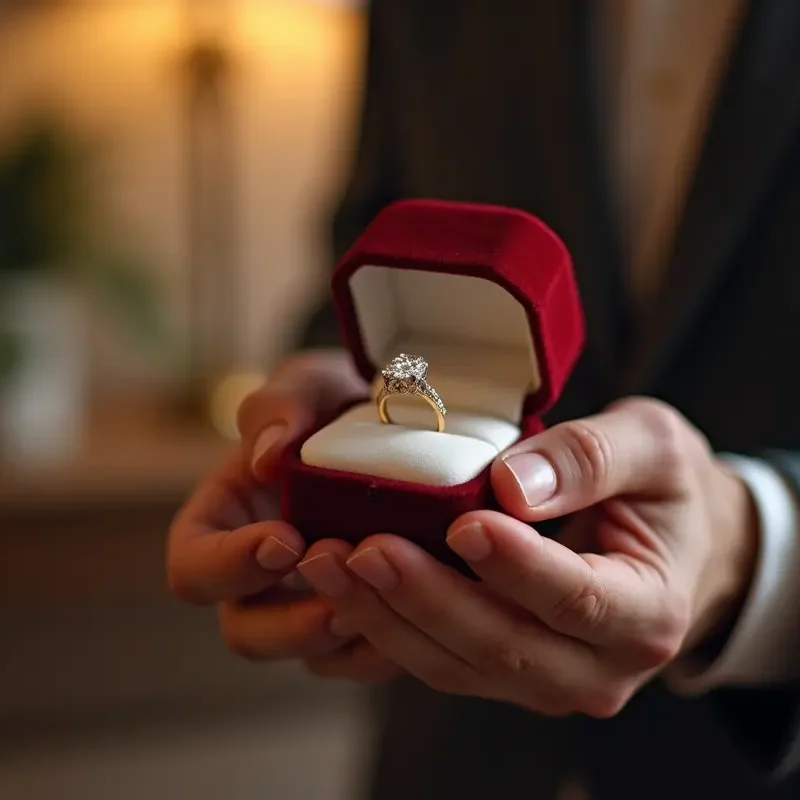
Embarking on the journey to find the ideal engagement ring can be exciting yet daunting. With so many choices available and emotional significance tied to the decision, it is important to approach the process with clarity and knowledge.
Whether you are drawn to timeless styles or contemporary trends, understanding how to select a ring that resonates with your partner’s personality and your relationship is key. As you start exploring options such as ethical moissanite rings, learning the basics can help you make a decision that is both meaningful and informed.
The perfect engagement ring balances beauty, durability, and sentiment. From diamond quality to ring settings, each element plays a role in capturing your shared story. This guide will simplify the process by covering essential factors, including the 4 Cs, ring metals, gemstone alternatives, and ethical considerations, so you can confidently select a ring that symbolizes your commitment.
While researching engagement rings, it can be helpful to gather inspiration from reputable jewelry guides and wedding publications.
Understanding the 4 Cs
The quality and value of a diamond are determined by four key characteristics known as the 4 Cs: Cut, Color, Clarity, and Carat weight. The cut influences a diamond’s sparkle, with ideal cuts maximizing brilliance. Diamonds are graded on a scale from D (colorless) to Z (light yellow), with most people opting for near-colorless options for a classic look.
Clarity refers to the presence of inclusions (internal flaws) and blemishes (external flaws), which can affect appearance and price. Carat weight describes the diamond’s size and has a noticeable impact on cost. Carefully balancing these factors to your preferences and budget will help you find a beautiful, meaningful stone.
Understanding these four qualities will not only provide greater confidence when selecting a diamond, but it will also help you communicate effectively with jewelers. For example, if your partner values sparkle over size, prioritizing cut quality could be more important than choosing the largest possible carat.
Alternatively, opting for a slightly lower clarity grade that is still eye-clean can often deliver better value without compromising overall beauty. Remember, many rings appear quite similar once on the finger, so choose a blend of features that best fits your style and financial priorities.
Choosing the Right Metal
The metal you select for the ring band greatly affects both its style and durability. Platinum is prized for its strength and hypoallergenic nature, while white gold provides a similar appearance at a lower cost. Yellow gold remains a beloved option for those preferring a warm, traditional feel. Rose gold features a romantic pinkish hue, popular in vintage-inspired rings.
Before making a decision, consider the types of jewelry your partner regularly wears. This will ensure the new ring fits seamlessly with their wardrobe and personal preferences. Another important factor to consider when choosing a metal is its care and maintenance requirements. Some metals, like white gold, may require periodic re-plating to maintain their shine, while platinum develops a unique patina over time.
Take note of your partner’s lifestyle: if they work with their hands or are particularly active, a more durable metal like platinum is likely the best choice for everyday wear. Discussing these considerations with your jeweler can clarify what each metal offers in terms of both aesthetics and practicality.
Exploring Diamond Alternatives
Diamonds are synonymous with engagement rings, but alternative gemstones are increasingly popular for their color and character. Sapphires, rubies, and emeralds can be stunning and often cost less than diamonds. Durability is important for daily wear, so opt for stones like sapphires or rubies for longevity. Emeralds are beautiful but require extra care due to their relative softness.
Additionally, lab-grown diamonds and ethical moissanite rings are gaining traction for their beauty and sustainability. Exploring colored gemstones or ethical alternatives can also inject more personality into the ring, making your choice distinctive. Many couples are drawn to birthstones, meaningful colors, or stones with symbolic significance.
In recent years, moissanite has become increasingly admired for its impressive sparkle and affordability, offering an ethical and lasting alternative to traditional diamonds. Ultimately, the best choice is one that holds special value for you and your partner, both aesthetically and ethically.
Considering Vintage and Heirloom Rings
Vintage and heirloom rings offer more than a distinctive design. They connect the wearer to history and family tradition. Repurposing a vintage piece is a responsible choice that avoids further resource use and often features craftsmanship rarely found in modern rings. If considering an heirloom, have it assessed for condition and resizing needs, and explore how slight modifications can make it uniquely your own without erasing its legacy.
Customizing Your Ring
Personalization is at the heart of many modern proposals. Working with a jeweler to design a custom engagement ring lets you select every aspect, from the gemstone shape to the setting and the type of metal. This collaborative process ensures that the result reflects your partner’s style and your shared narrative.
Plan for additional time if creating a bespoke piece, as craftsmanship and sourcing stones may extend lead times. Even subtle touches, like engraving a special message inside the band or incorporating design elements that reference inside jokes or shared memories, can add further meaning to the ring.
Collaborating closely with a reputable jeweler allows you to explore unique or innovative design elements that can set your engagement ring apart and create a meaningful keepsake your partner will cherish for years to come.
Setting a Realistic Budget
Budgeting wisely is an integral part of the buying process. The old rule of spending two or three months’ salary is no longer a standard. Prioritize your own financial comfort and focus on finding a ring with meaningful value rather than an extravagant price. Open communication and careful planning can align your expectations and avoid unnecessary stress.
Don’t forget to factor in additional costs, such as insurance or potential resizing after the proposal. Comparing prices, checking for warranties, and reading reviews of the jewelers you’re considering purchasing from will help ensure you make a confident, informed choice. Take your time and compare different options before making a final commitment.
Ethical and Sustainable Choices
Contemporary couples increasingly value sustainability and ethical sourcing in their engagement rings. Options such as conflict-free diamonds or lab-grown stones provide peace of mind and often cost less than mined gems.
Lab-grown diamonds are chemically identical to natural ones but minimize environmental impact and bypass questionable labor practices. Repurposing vintage jewelry or family heirlooms is another thoughtful, eco-friendly route that adds historical significance to your proposal.
Transparency is essential; seek out jewelers who provide clear information about the origins of their stones, manufacturing practices, and company values. Certifications and reputable third-party audits can further verify the ethical standards behind a brand’s products, ensuring that your purchase aligns with your beliefs. This diligence can make your engagement ring not only a symbol of love, but also of your commitment to a brighter, more ethical future together.
Final Thoughts
Finding the perfect engagement ring ultimately comes down to balancing tradition, personal style, and your unique love story. When you understand the essentials, such as gemstone quality, ring settings, and ethical considerations, your decision will be guided by both head and heart. The most important feature of the ring is the promise it represents and the shared journey ahead, making it the perfect choice no matter the details.
Remember that no single ring style or stone is universally perfect for everyone. Prioritizing open communication and focusing on what truly matters in your relationship will ensure your final choice is cherished for a lifetime. Let the process become part of the story, celebrating the step you are about to take together.
Conclusion
Choosing the perfect engagement ring is a deeply personal journey that blends thoughtful decision-making with heartfelt meaning. By understanding key elements like the 4 Cs, selecting the right metal, exploring alternative gemstones, and considering ethical options, you can make a choice that reflects both your values and your partner’s unique style.
Whether you opt for a classic diamond, a custom design, or a meaningful heirloom, the true value of the ring lies in the story it represents. Ultimately, the ideal engagement ring is one that captures your shared commitment and future together. With careful planning, a realistic budget, and attention to detail, you can confidently select a ring that symbolizes love, intention, and lasting connection for years to come.