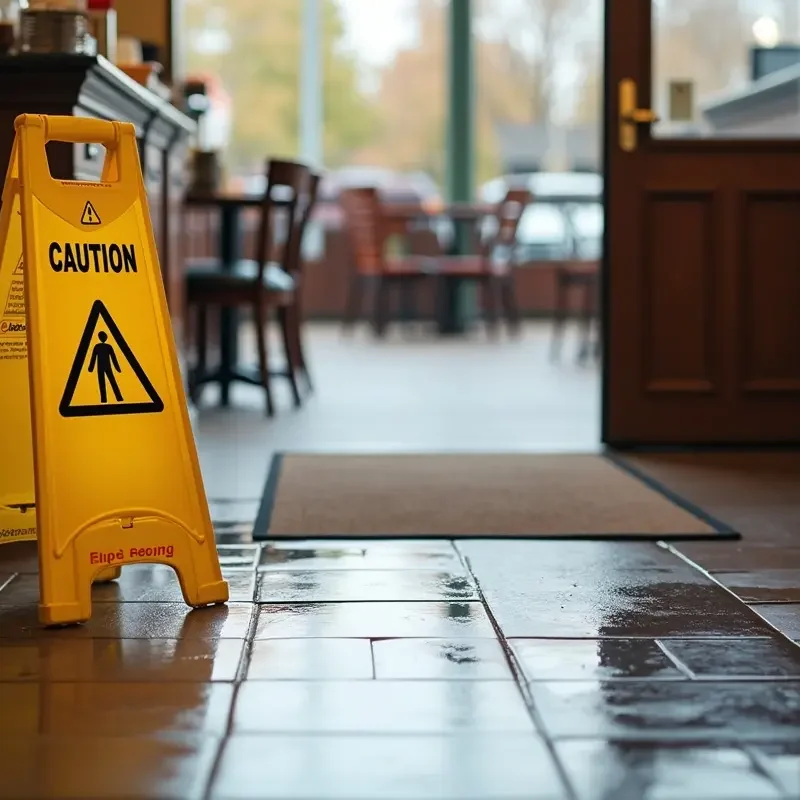
A slip-and-fall in a restaurant can happen quickly, but the effects may last far longer. Wet entryways, spilled drinks, greasy floors, loose mats, uneven tile, poor lighting, and crowded walkways can all create dangerous conditions. If you were hurt, the first priority is your health. Once you are safe, acting promptly can help preserve details that may be important later. For information focused on restaurant fall claims, visit legal experts at https://phillyslipandfallguys.com/.
Building a case does not mean assuming that the restaurant is automatically responsible. A strong claim usually depends on showing what caused the fall, whether the hazard should have been addressed, how the injury affected you, and what evidence supports each point. Because property-liability rules differ by state, it is important to keep clear records and seek advice suited to the location where the accident occurred.
Why Restaurant Fall Details Matter
Restaurants are fast-moving environments. Customers and staff may track in rainwater, drop food, spill beverages, move chairs, or carry items through narrow paths. Those conditions do not automatically establish fault, but they can help explain how an accident happened. The central questions are often whether there was a dangerous condition, whether the restaurant knew, or reasonably should have known, about it, and whether it took reasonable steps to correct it or warn people about the risk.
Details can disappear within minutes. An employee may mop up a spill, a manager may move a mat, or security footage may be overwritten. Writing down your recollection while it is fresh can make a significant difference. Include where you were walking, what you noticed before and after the fall, the shoes you wore, the weather outside, and the names of anyone who helped you.
Common Restaurant Slip And Fall Hazards
Many restaurant falls involve conditions that are temporary, hard to notice, or worsened by heavy foot traffic. Common examples include:
- Water near entrances during rain, snow, or cleaning.
- Grease, food, sauces, ice, or drinks on dining-room or restroom floors.
- Curled, soaked, torn, or unsecured floor mats.
- Uneven flooring, cracked tile, raised thresholds, or damaged carpet.
- Boxes, high chairs, cords, cleaning equipment, or other items left in walkways.
- Dim lighting around stairs, restrooms, parking areas, or outdoor patios.
- Broken handrails, worn stair treads, or missing anti-slip surfaces.
Restaurant safety guidance emphasizes the importance of keeping floors clean and dry, maintaining clear aisles, and promptly addressing walking-surface hazards. The Occupational Safety and Health Administration’s guidance on slips, trips, and falls also identifies wet floors, spills, and clutter as common hazards in food-service settings.
What To Do Immediately After The Fall
If you have severe pain, dizziness, numbness, confusion, weakness, or a possible head or neck injury, avoid getting up without help. Ask someone to call emergency services if necessary. Some injuries, including concussions, soft-tissue damage, and fractures, may not be obvious in the first few minutes.
- Tell a manager, server, or supervisor that you fell and ask them to create an incident report.
- Ask for the manager’s name and the restaurant’s business information.
- Do not guess about the cause of the fall if you are unsure. State the facts you observed.
- Request medical help when needed, then follow up with a healthcare provider as soon as practical.
- Keep any paperwork, receipts, report numbers, or written communications you receive.
How To Document The Scene
If you can do so safely, take photographs or video of the exact area. Capture the substance or defect, any nearby warning signs, lighting, floor texture, mats, tables, entrances, and the route you were walking on. Wide shots show the setting, while close photos may show liquid, debris, uneven surfaces, or damage.
Gather Witness Information
Witnesses may have seen the fall, noticed the spill earlier, or heard employees discuss the condition. Ask for names and reliable contact details. A short note about what each person observed is useful, especially if their memory changes over time.
Preserve Physical Evidence
Set aside the shoes and clothing you wore that day. Do not wash or alter them before taking photographs. They may show wetness, residue, damage, or their tread condition. Preserve them in a clean, dry place along with photographs and written notes.
Restaurant Records That May Matter
Restaurants may hold evidence that a customer cannot obtain independently. Depending on the circumstances, this can include security video, cleaning schedules, inspection logs, employee reports, maintenance records, customer complaints, and communications about the area where the fall occurred. A written request to preserve relevant surveillance footage and records can be important because footage may be deleted or overwritten as part of routine business practices.
Warning cones or wet-floor signs can also matter. Consider where a sign was placed, whether it was visible from your direction of travel, and whether it actually identified the hazard. A sign may be relevant, but it does not necessarily answer whether the area was reasonably maintained.
Documenting Injuries And Losses
Medical documentation connects the accident to your physical condition. Seek appropriate care, explain how the fall occurred, attend recommended appointments, and follow treatment instructions. Save discharge papers, imaging results, prescriptions, therapy records, bills, and insurance explanations of benefits.
Keep a simple injury journal. Record pain levels, sleep problems, mobility limits, missed family activities, and difficulty performing work or household tasks. If you miss work, save pay stubs, employer communications, and records showing missed hours. Falls can be especially serious for older adults, who face a higher risk of injury after a fall, according to the Centers for Disease Control and Prevention.
Mistakes To Avoid
- Leaving without reporting the incident, unless medical emergency care makes that impossible.
- Waiting weeks to seek care when you are experiencing ongoing symptoms.
- Posting speculation, photos, or activity updates on social media may be misunderstood.
- Throwing away shoes, clothing, receipts, or medical paperwork.
- Relying only on memory instead of creating a written record.
- Giving a recorded statement or signing documents without understanding their purpose.
Building A Clear Timeline
A well-organized timeline helps show the sequence of events. Start with your arrival at the restaurant, where you were seated, when you walked through the area, the fall itself, who responded, when you sought medical care, and how symptoms developed afterward. Attach photos, witness details, reports, medical records, and expense information to the appropriate dates.
Strong cases are usually built through accurate facts, preserved evidence, consistent medical documentation, and timely action. Focus first on recovery, then on creating a clear record before important details fade or disappear.