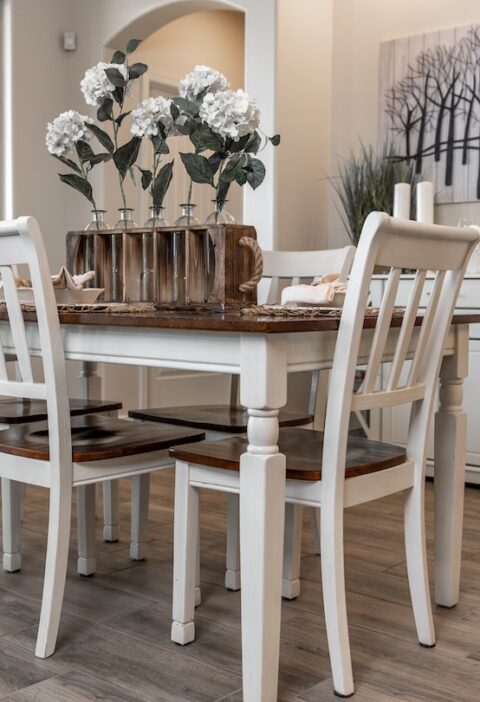
Taking the first step to declutter your home can seem daunting, but breaking the process down into manageable stages makes it achievable for anyone, no matter how cluttered your home feels. Facing years’ worth of accumulated belongings and sentimental items can paralyze even the most determined person, but with a structured plan, small, consistent actions will yield remarkable results over time. A clear, organized home isn’t just aesthetically pleasing; it sets the tone for a more peaceful, functional lifestyle.
A cluttered environment can lead to constant stress, while a simplified space brings a sense of calm and order into your daily routines. If you’re unsure where to begin or need help hauling large items, services such as hauling junk in Chicago can help remove unwanted items quickly and responsibly, making challenging projects more manageable and more eco-friendly by ensuring items are sorted and disposed of properly.
Transforming your living environment isn’t about perfection; it’s about creating a space where you can relax and recharge after long days. Whether you want to clear out a packed garage, sort through overflowing kitchen cabinets, streamline your closet, or maintain your home more effectively, decluttering helps you regain control and boost your sense of well-being. The process may require emotional energy and tough decisions, but the rewards are worth the effort—a home that feels larger, lighter, and welcoming to both yourself and your guests.
Understand the Benefits of Decluttering
Decluttering is more than just tidying up your home; it’s a way to reclaim mental clarity and reduce daily stress. Studies show that messy, chaotic spaces can lead to chronic anxiety and leave you feeling overwhelmed, even when you are not consciously aware of it. On the other hand, walking into a room free of unnecessary clutter allows you to unwind faster and think more creatively.
An organized space is strongly linked to better focus, productivity, and even improved mood, making it easier to start your day off right and maintain good habits throughout the week. By removing unnecessary items and creating order, you’re not only eliminating distractions and cultivating a sense of accomplishment, but also saving time spent searching for lost or misplaced things.
An article from The New York Times emphasizes that the benefits are immediate and long-lasting, as decluttered homes can also save time and money in the long run. Fewer items mean fewer chores and less need for storage solutions, and keeping only what you love or need fosters a sense of gratitude for what you already have.
Start Small to Build Momentum
One of the best ways to get started is by focusing on a single, small spot, such as a bedside drawer or a shelf in the pantry. Looking at your whole house at once can make decluttering seem impossible, but dedicating just five or ten minutes to a defined area can reveal how surprisingly easy and satisfying the process is. Small wins build confidence and create positive momentum, making it easier to tackle larger areas later.
Experts recommend avoiding the temptation to tackle an entire house in one go, as starting too big often leads to feeling overwhelmed and burned out. When you celebrate the completion of simple tasks, you train your mind to look forward to continued decluttering sessions rather than dreading them. Over time, these small steps will add up, and you’ll begin to see and feel the positive effects throughout your home.
Categorize Your Belongings
When facing a pile of belongings, successful organization starts with sorting. Place each item into one of the following categories: keep, donate, recycle, or discard. Creating a sorting system with bins or labeled boxes streamlines the process, helping you visually separate what stays and what goes. Sorting by category as you go makes decisions easier because you can evaluate similar items together, and it also streamlines the subsequent steps for each group of items.
The popular KonMari method, for instance, suggests keeping only items that “spark joy” and letting go of the rest. Touch each item and notice your first instinct. Does it bring positive feelings, or are you holding onto it out of guilt, obligation, or habit? Being honest about your connection to your belongings is one of the most important steps towards real transformation.
Tackle One Category at a Time
Rather than decluttering by room, focus on specific categories, such as clothing, books, paperwork, or kitchen items, at a time. Sorting by category lets you see exactly how much you have, often revealing redundancies and forgotten items tucked away. This prevents you from getting sidetracked by unrelated clutter and lets you see clearly how much you own in each group.
Once you see all your clothes or kitchen gadgets in one place, for example, it becomes easier to eliminate duplicates, things you no longer use, or items that no longer fit your style or needs. Breaking the process into categories also helps maintain motivation, as each finished group provides a tangible sense of accomplishment and visible progress.
Implement the One-In, One-Out Rule
To keep clutter from accumulating after you finish a big decluttering project, practice the “one-in, one-out” rule. For every new item you introduce into your home, aim to remove an old one. This habit encourages thoughtful purchases and mindful consumption, ensuring that your tidying efforts have a lasting impact.
Over time, it becomes second nature to evaluate what stays and what goes, and you’ll notice a shift towards quality over quantity. This rule is especially effective in areas prone to overflow, such as closets and toy bins, but it can also be applied to kitchenware, office supplies, and linens. Whenever a new purchase tempts you, ask yourself if something you already own serves the same purpose, and be willing to let go if your collection becomes unmanageable.
Set Realistic Goals and Timelines
Decluttering is a journey that takes time, especially if you are managing sentimental items or coordinating with other family members. Break the process into bite-sized goals, such as spending 15 minutes sorting each day or dedicating Saturday mornings to a particular project.
Setting specific timelines allows you to maintain focus and avoid exhaustion, turning a once-overwhelming chore into a series of simple, manageable tasks. Make the process rewarding by celebrating your progress at each stage, maybe treat yourself to a favorite snack after finishing a kitchen drawer, or share before-and-after photos with loved ones for some extra encouragement.
Seek Support and Inspiration
If you feel stuck or overwhelmed, seek out support from others who have experienced similar challenges. Online communities, professional organizers, and decluttering gurus have built thriving platforms for sharing practical advice and encouragement. Following these experts or joining a group can provide accountability and a steady stream of fresh ideas, while seeing others’ successes can motivate you to keep going.
Maintain Your Decluttered Space
After you’ve finished decluttering, it’s essential to establish habits that keep your home tidy and prevent clutter from creeping back in. Schedule regular maintenance sessions, either daily or weekly, to put things back in their designated spots and handle new clutter promptly. Even a quick five-minute tidy-up at the end of each day can make a huge difference in the overall feel of your home.
Developing and sticking to a cleaning routine ensures that all your hard work pays off in the long run, leaving your living space continually organized and functional. Share your new routines with the people you live with so everyone can contribute to keeping your home’s atmosphere clear, comfortable, and welcoming.
Final Thoughts
Decluttering your home is a transformative process that offers long-term rewards, including an organized and calming environment. By understanding the benefits, starting with small tasks, categorizing belongings, and forming sustainable habits, you’ll pave the way for a clutter-free life filled with greater peace, energy, and creativity. Remember, the goal is not about perfection but about creating a healthy, harmonious space where you and your loved ones can thrive. Take your time, celebrate each step forward, and enjoy the many benefits of living in a simplified, intentional space.